Aug 12, 2026
A fleet manager who replaces lead-acid truck batteries every 18 months per vehicle, across a fleet of 100 trucks, is managing 600 battery replacements over a decade — each one involving a service call, vehicle downtime, and the disposal cost of a hazardous-material battery core. A single 24V LiFePO4 commercial vehicle battery with a service life exceeding the vehicle's typical operating cycle changes that arithmetic: one battery for the life of the truck, no jump-start incidents from sulfated lead plates, and a real-time state-of-charge reading on the fleet manager's phone instead of a voltmeter reading on a cold morning.
| Parameter | LiFePO4 (LFP) | Lead-Acid (Flooded/AGM) | Fleet Impact |
|---|---|---|---|
| Cycle Life (to 80% capacity) | 3,000-5,000 cycles | 300-500 cycles | LFP lasts 6-10x longer — one LFP battery replaces 6-10 lead-acid replacements over vehicle life |
| Weight (24V equivalent) | Approximately 50% lighter | Heavy — lead plates and sulfuric acid electrolyte | Reduces vehicle tare weight; improves fuel efficiency marginally; easier battery handling for service technicians |
| Cold Cranking Performance | 1,500A (JY530) with self-heating to -40°C | Declines significantly below -18°C; CCA rating drops with age | LFP with integrated heater eliminates cold-weather no-start incidents — the #1 fleet reliability complaint in northern climates |
| Self-Discharge Rate | 1-2% per month | 5-15% per month | LFP truck parked for seasonal operation starts reliably without trickle charging; lead-acid parked for winter often requires jump-start |
| Maintenance | Zero — sealed, no electrolyte to check | Water topping for flooded; terminal corrosion cleaning | Eliminates battery maintenance labor; eliminates corrosion damage to battery trays and cables |
| State Monitoring | Bluetooth app + cloud — real-time SOC, SOH, charge/discharge history | Voltmeter reading — voltage is a poor proxy for state of charge and no proxy for state of health | Fleet manager monitors battery health remotely; replaces batteries based on actual degradation data, not calendar age |
Jingye New Energy's JY530 24V LiFePO4 commercial vehicle battery delivers 25.6V nominal voltage with 206Ah capacity (5.3kWh) and 1,500A starting current — sufficient for starting large-displacement diesel engines in heavy trucks, construction machinery, agricultural equipment, and marine applications. The battery is a direct drop-in replacement for standard lead-acid truck batteries: same terminal configuration, same mounting footprint, same 24V electrical compatibility.
The integrated battery management system provides multi-layer protection: cell-level voltage monitoring prevents overcharge and over-discharge, temperature sensors trigger the self-heating function below threshold and disconnect at overtemperature, and short-circuit protection isolates the battery faster than a lead-acid battery's internal resistance can limit fault current. App-based monitoring via Bluetooth and cloud connectivity provides fleet managers with battery state of charge, state of health, charge/discharge cycle count, and fault event logging — data that conventional lead-acid batteries simply cannot provide.
The historical barrier to lithium battery adoption in commercial vehicles has been cold-cranking performance. A lead-acid battery at -20°C delivers reduced but still functional starting current because the electrochemical reaction, while slowed, continues. A standard LiFePO4 battery at -20°C cannot safely accept charge and may not deliver rated discharge current because lithium-ion mobility in the electrolyte drops exponentially with temperature.
The JY530 solves this with an integrated self-heating system. When the battery management system detects cell temperatures below the safe-cranking threshold, the internal heater activates — drawing power from the battery's own stored energy to warm the cells to optimal operating temperature before the engine start is attempted. The heating cycle consumes a small fraction of the battery's total capacity and completes in minutes. Once the engine starts, the alternator recharges both the battery and compensates for the heating energy. This self-heating capability enables the JY530 to match or exceed lead-acid cold-cranking performance down to -40°C — the temperature extreme encountered in northern China, Russia, Canada, and Scandinavia.
The 5.3kWh capacity of the JY530 enables applications beyond simple engine starting that a lead-acid truck battery cannot support. For trucks with sleeper cabs, the battery powers overnight HVAC, refrigerator, communication equipment, and personal electronics without the engine idling — eliminating hours of diesel consumption and engine wear from overnight idling that anti-idling regulations increasingly prohibit. For refrigerated trucks, the battery supports the reefer unit during loading and unloading when the truck engine is off. For construction and mining equipment, the vibration-resistant LFP chemistry and sealed construction survive the physical abuse that destroys lead-acid battery plates and causes internal short circuits.
The JY530 is part of Jingye's integrated new energy ecosystem for commercial transportation: the same company that manufactures the C&I energy storage cabinets for site-level power management also manufactures the onboard DC fast EV chargers and the CCS cell contact systems that connect battery cells into packs — a vertically integrated manufacturing chain that ensures component compatibility and quality traceability from raw cell to finished vehicle battery.
Contact Jingye New Energy for JY530 specifications, fleet trial program details, and volume OEM pricing for commercial vehicle, construction equipment, and marine battery applications.
allen.meng@jyrenewables.com jyxny@jyrenewables.com
Sep. 28, 2026
C&I Battery Storage Capacity vs Power Rating: What Is the Difference?
Energy Storage Cabinets are increasingly used by commercial and industrial buyers to reduce peak demand, support critical loads, improve solar self-consumption, and provide backup power. However, many purchasing teams compare systems by price or cabinet size before understanding the two specifications that determine performance: battery storage capacity, measured in kilowatt-hours (kWh), and
Sep. 28, 2026
How Commercial Energy Storage Helps Reduce Demand Charges
If your electricity bill is rising because of short, high-power peaks, we can solve the problem in a simple sequence: review 12 months of interval data, identify the tariff’s demand-charge window, size Energy Storage Cabinets for the target peak, and configure an automated energy management system to discharge before the peak is billed. This step-by-step approach helps businesses reduce
Sep. 25, 2026
400V vs 800V EV Charging: Key Differences for Modern Electric Vehicles
Choosing between a 400 V and an 800 V electric vehicle is no longer only an engineering decision. It affects charging time, highway convenience, battery design, purchase price, charging site requirements, operating cost, and long-term reliability. For drivers, fleet managers, charging operators, and vehicle manufacturers comparing a DC Fast EV Charger Manufacturer, the most useful answer is not
Related Products
LFP-261kWh All-in-One Energy Storage Cabinet
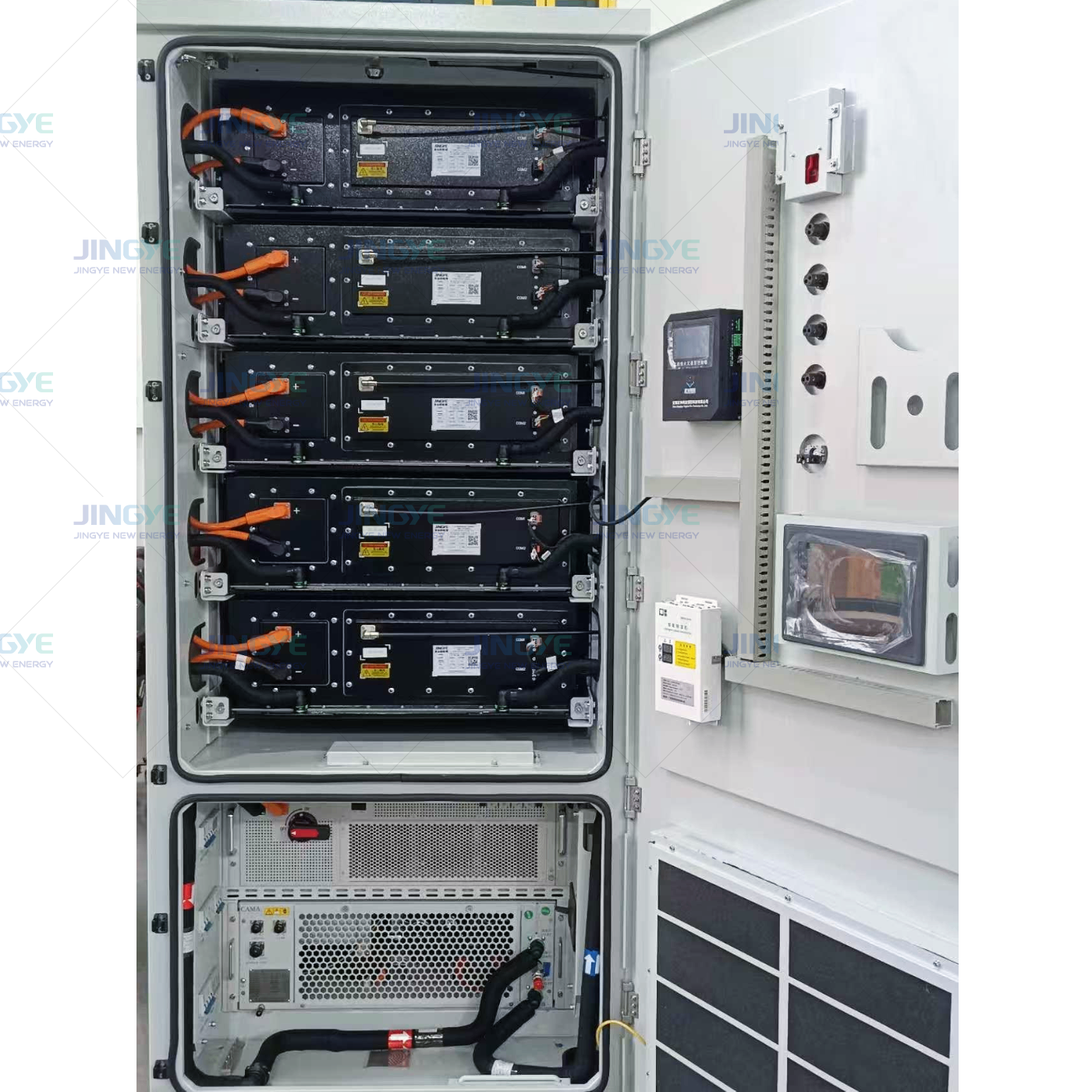
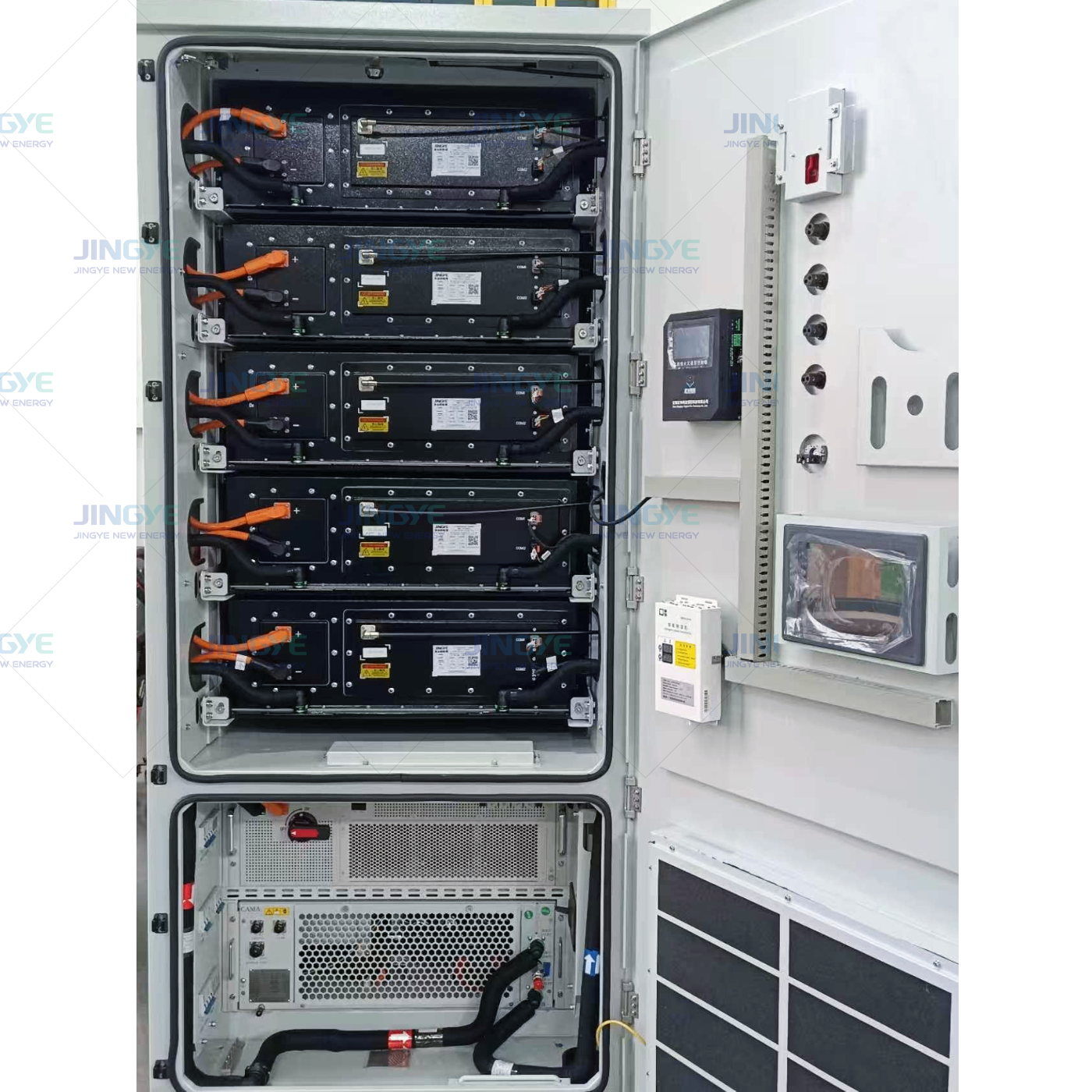
The LFP-261kWh is an all-in-one commercial & industrial energy storage cabinet from Jingye New Energy, with a built-in 125kW inverter (PCS) — battery and inverter in one unit, no separate PCS needed. It delivers 261kWh using 314Ah LFP cells, liquid-cooled, >6,000 cycles, IP54, for peak shaving, load shifting, solar self-consumption, and backup power at small-to-medium sites. OEM/ODM available.
LFP-261kWh All-in-One Energy Storage Cabinet
The LFP-261kWh is an all-in-one commercial & industrial energy storage cabinet from Jingye New Energy, with a built-in 125kW inverter (PCS) — battery and inverter in one unit, no separate PCS needed. It delivers 261kWh using 314Ah LFP cells, liquid-cooled, >6,000 cycles, IP54, for peak shaving, load shifting, solar self-consumption, and backup power at small-to-medium sites. OEM/ODM available.
LFP-261kWh All-in-One Energy Storage Cabinet
The LFP-261kWh is an all-in-one commercial & industrial energy storage cabinet from Jingye New Energy, with a built-in 125kW inverter (PCS) — battery and inverter in one unit, no separate PCS needed. It delivers 261kWh using 314Ah LFP cells, liquid-cooled, >6,000 cycles, IP54, for peak shaving, load shifting, solar self-consumption, and backup power at small-to-medium sites. OEM/ODM available.
LFP-261kWh All-in-One Energy Storage Cabinet
The LFP-261kWh is an all-in-one commercial & industrial energy storage cabinet from Jingye New Energy, with a built-in 125kW inverter (PCS) — battery and inverter in one unit, no separate PCS needed. It delivers 261kWh using 314Ah LFP cells, liquid-cooled, >6,000 cycles, IP54, for peak shaving, load shifting, solar self-consumption, and backup power at small-to-medium sites. OEM/ODM available.
LFP-261kWh All-in-One Energy Storage Cabinet
The LFP-261kWh is an all-in-one commercial & industrial energy storage cabinet from Jingye New Energy, with a built-in 125kW inverter (PCS) — battery and inverter in one unit, no separate PCS needed. It delivers 261kWh using 314Ah LFP cells, liquid-cooled, >6,000 cycles, IP54, for peak shaving, load shifting, solar self-consumption, and backup power at small-to-medium sites. OEM/ODM available.
LFP-261kWh All-in-One Energy Storage Cabinet
The LFP-261kWh is an all-in-one commercial & industrial energy storage cabinet from Jingye New Energy, with a built-in 125kW inverter (PCS) — battery and inverter in one unit, no separate PCS needed. It delivers 261kWh using 314Ah LFP cells, liquid-cooled, >6,000 cycles, IP54, for peak shaving, load shifting, solar self-consumption, and backup power at small-to-medium sites. OEM/ODM available.
LFP-261kWh All-in-One Energy Storage Cabinet
The LFP-261kWh is an all-in-one commercial & industrial energy storage cabinet from Jingye New Energy, with a built-in 125kW inverter (PCS) — battery and inverter in one unit, no separate PCS needed. It delivers 261kWh using 314Ah LFP cells, liquid-cooled, >6,000 cycles, IP54, for peak shaving, load shifting, solar self-consumption, and backup power at small-to-medium sites. OEM/ODM available.
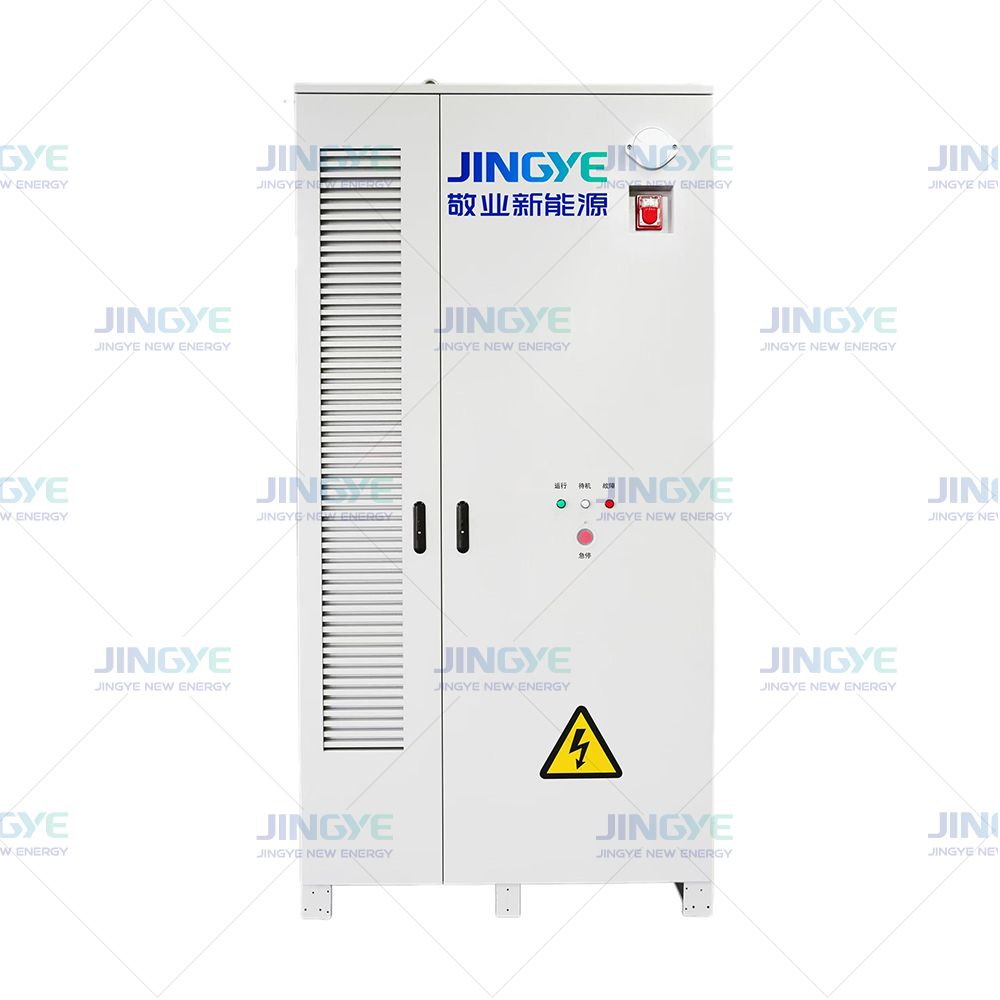
LFP-417kWh Energy Storage Cabinet
The LFP-417kWh is a high-capacity commercial & industrial energy storage cabinet from Jingye New Energy, built for large C&I sites that need maximum energy per footprint. It delivers 417kWh using 314Ah LFP cells on a 1331.2V platform, liquid-cooled, >8,000 cycles, IP55, and is series-scalable with an external PCS — for peak shaving, load management, and solar integration. OEM/ODM available.
LFP-417kWh Energy Storage Cabinet
The LFP-417kWh is a high-capacity commercial & industrial energy storage cabinet from Jingye New Energy, built for large C&I sites that need maximum energy per footprint. It delivers 417kWh using 314Ah LFP cells on a 1331.2V platform, liquid-cooled, >8,000 cycles, IP55, and is series-scalable with an external PCS — for peak shaving, load management, and solar integration. OEM/ODM available.
LFP-417kWh Energy Storage Cabinet
The LFP-417kWh is a high-capacity commercial & industrial energy storage cabinet from Jingye New Energy, built for large C&I sites that need maximum energy per footprint. It delivers 417kWh using 314Ah LFP cells on a 1331.2V platform, liquid-cooled, >8,000 cycles, IP55, and is series-scalable with an external PCS — for peak shaving, load management, and solar integration. OEM/ODM available.
LFP-417kWh Energy Storage Cabinet
The LFP-417kWh is a high-capacity commercial & industrial energy storage cabinet from Jingye New Energy, built for large C&I sites that need maximum energy per footprint. It delivers 417kWh using 314Ah LFP cells on a 1331.2V platform, liquid-cooled, >8,000 cycles, IP55, and is series-scalable with an external PCS — for peak shaving, load management, and solar integration. OEM/ODM available.
LFP-417kWh Energy Storage Cabinet
The LFP-417kWh is a high-capacity commercial & industrial energy storage cabinet from Jingye New Energy, built for large C&I sites that need maximum energy per footprint. It delivers 417kWh using 314Ah LFP cells on a 1331.2V platform, liquid-cooled, >8,000 cycles, IP55, and is series-scalable with an external PCS — for peak shaving, load management, and solar integration. OEM/ODM available.
LFP-417kWh Energy Storage Cabinet
The LFP-417kWh is a high-capacity commercial & industrial energy storage cabinet from Jingye New Energy, built for large C&I sites that need maximum energy per footprint. It delivers 417kWh using 314Ah LFP cells on a 1331.2V platform, liquid-cooled, >8,000 cycles, IP55, and is series-scalable with an external PCS — for peak shaving, load management, and solar integration. OEM/ODM available.
LFP-417kWh Energy Storage Cabinet
The LFP-417kWh is a high-capacity commercial & industrial energy storage cabinet from Jingye New Energy, built for large C&I sites that need maximum energy per footprint. It delivers 417kWh using 314Ah LFP cells on a 1331.2V platform, liquid-cooled, >8,000 cycles, IP55, and is series-scalable with an external PCS — for peak shaving, load management, and solar integration. OEM/ODM available.
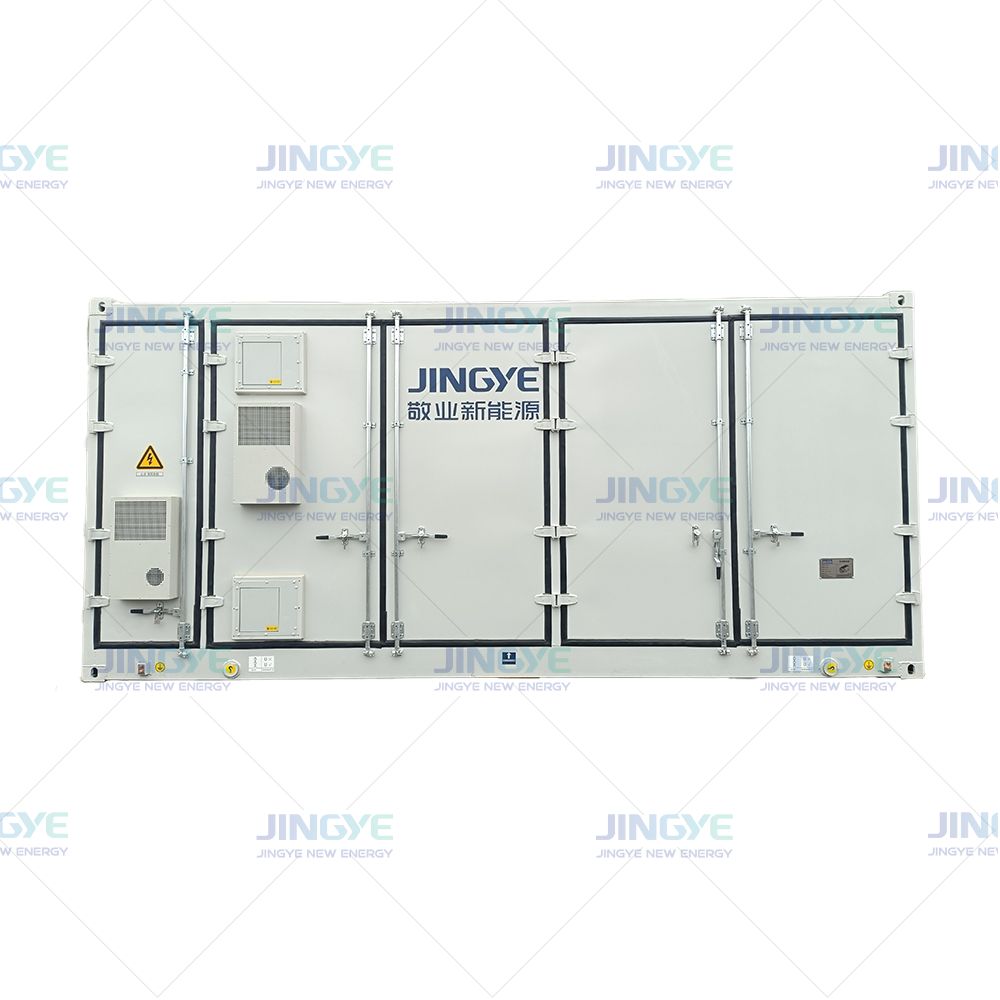
5.015MWh Liquid-Cooled BESS Container (Containerized Energy Storage System)
The 5.015MWh liquid-cooled BESS container from Jingye New Energy is a utility-scale containerized energy storage system built on 314Ah LFP cells. As a China-based BESS container manufacturer and supplier, we deliver 5,015 kWh of battery energy storage in a standard 20-foot container — up to 2.5 MW charge/discharge, liquid-cooled, with multi-level fire protection. OEM/ODM available; request a price today.
5.015MWh Liquid-Cooled BESS Container (Containerized Energy Storage System)
The 5.015MWh liquid-cooled BESS container from Jingye New Energy is a utility-scale containerized energy storage system built on 314Ah LFP cells. As a China-based BESS container manufacturer and supplier, we deliver 5,015 kWh of battery energy storage in a standard 20-foot container — up to 2.5 MW charge/discharge, liquid-cooled, with multi-level fire protection. OEM/ODM available; request a price today.
5.015MWh Liquid-Cooled BESS Container (Containerized Energy Storage System)
The 5.015MWh liquid-cooled BESS container from Jingye New Energy is a utility-scale containerized energy storage system built on 314Ah LFP cells. As a China-based BESS container manufacturer and supplier, we deliver 5,015 kWh of battery energy storage in a standard 20-foot container — up to 2.5 MW charge/discharge, liquid-cooled, with multi-level fire protection. OEM/ODM available; request a price today.
5.015MWh Liquid-Cooled BESS Container (Containerized Energy Storage System)
The 5.015MWh liquid-cooled BESS container from Jingye New Energy is a utility-scale containerized energy storage system built on 314Ah LFP cells. As a China-based BESS container manufacturer and supplier, we deliver 5,015 kWh of battery energy storage in a standard 20-foot container — up to 2.5 MW charge/discharge, liquid-cooled, with multi-level fire protection. OEM/ODM available; request a price today.
5.015MWh Liquid-Cooled BESS Container (Containerized Energy Storage System)
The 5.015MWh liquid-cooled BESS container from Jingye New Energy is a utility-scale containerized energy storage system built on 314Ah LFP cells. As a China-based BESS container manufacturer and supplier, we deliver 5,015 kWh of battery energy storage in a standard 20-foot container — up to 2.5 MW charge/discharge, liquid-cooled, with multi-level fire protection. OEM/ODM available; request a price today.
5.015MWh Liquid-Cooled BESS Container (Containerized Energy Storage System)
The 5.015MWh liquid-cooled BESS container from Jingye New Energy is a utility-scale containerized energy storage system built on 314Ah LFP cells. As a China-based BESS container manufacturer and supplier, we deliver 5,015 kWh of battery energy storage in a standard 20-foot container — up to 2.5 MW charge/discharge, liquid-cooled, with multi-level fire protection. OEM/ODM available; request a price today.
5.015MWh Liquid-Cooled BESS Container (Containerized Energy Storage System)
The 5.015MWh liquid-cooled BESS container from Jingye New Energy is a utility-scale containerized energy storage system built on 314Ah LFP cells. As a China-based BESS container manufacturer and supplier, we deliver 5,015 kWh of battery energy storage in a standard 20-foot container — up to 2.5 MW charge/discharge, liquid-cooled, with multi-level fire protection. OEM/ODM available; request a price today.
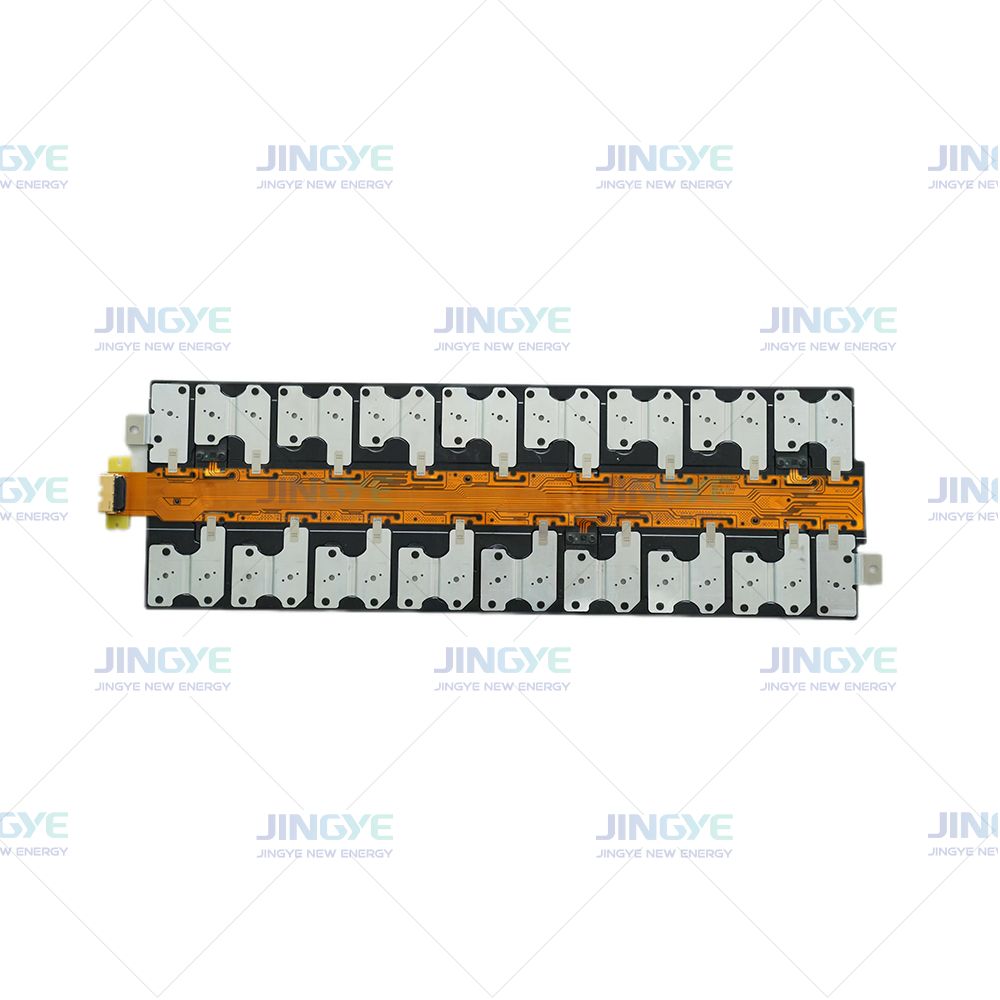
CCS Cell Contact System (Integrated Busbar for Battery Packs)
Jingye New Energy is a Cell Contact System (CCS) manufacturer, producing custom integrated busbars for EV and energy-storage battery packs. Our CCS combines copper-aluminum busbars, voltage and temperature sensing, and an insulating carrier into one module — replacing wire harnesses. Available in injection molding, thermoforming, and direct welding, IATF 16949 certified, with full OEM/ODM design.
CCS Cell Contact System (Integrated Busbar for Battery Packs)
Jingye New Energy is a Cell Contact System (CCS) manufacturer, producing custom integrated busbars for EV and energy-storage battery packs. Our CCS combines copper-aluminum busbars, voltage and temperature sensing, and an insulating carrier into one module — replacing wire harnesses. Available in injection molding, thermoforming, and direct welding, IATF 16949 certified, with full OEM/ODM design.
CCS Cell Contact System (Integrated Busbar for Battery Packs)
Jingye New Energy is a Cell Contact System (CCS) manufacturer, producing custom integrated busbars for EV and energy-storage battery packs. Our CCS combines copper-aluminum busbars, voltage and temperature sensing, and an insulating carrier into one module — replacing wire harnesses. Available in injection molding, thermoforming, and direct welding, IATF 16949 certified, with full OEM/ODM design.
CCS Cell Contact System (Integrated Busbar for Battery Packs)
Jingye New Energy is a Cell Contact System (CCS) manufacturer, producing custom integrated busbars for EV and energy-storage battery packs. Our CCS combines copper-aluminum busbars, voltage and temperature sensing, and an insulating carrier into one module — replacing wire harnesses. Available in injection molding, thermoforming, and direct welding, IATF 16949 certified, with full OEM/ODM design.
CCS Cell Contact System (Integrated Busbar for Battery Packs)
Jingye New Energy is a Cell Contact System (CCS) manufacturer, producing custom integrated busbars for EV and energy-storage battery packs. Our CCS combines copper-aluminum busbars, voltage and temperature sensing, and an insulating carrier into one module — replacing wire harnesses. Available in injection molding, thermoforming, and direct welding, IATF 16949 certified, with full OEM/ODM design.
CCS Cell Contact System (Integrated Busbar for Battery Packs)
Jingye New Energy is a Cell Contact System (CCS) manufacturer, producing custom integrated busbars for EV and energy-storage battery packs. Our CCS combines copper-aluminum busbars, voltage and temperature sensing, and an insulating carrier into one module — replacing wire harnesses. Available in injection molding, thermoforming, and direct welding, IATF 16949 certified, with full OEM/ODM design.
CCS Cell Contact System (Integrated Busbar for Battery Packs)
Jingye New Energy is a Cell Contact System (CCS) manufacturer, producing custom integrated busbars for EV and energy-storage battery packs. Our CCS combines copper-aluminum busbars, voltage and temperature sensing, and an insulating carrier into one module — replacing wire harnesses. Available in injection molding, thermoforming, and direct welding, IATF 16949 certified, with full OEM/ODM design.
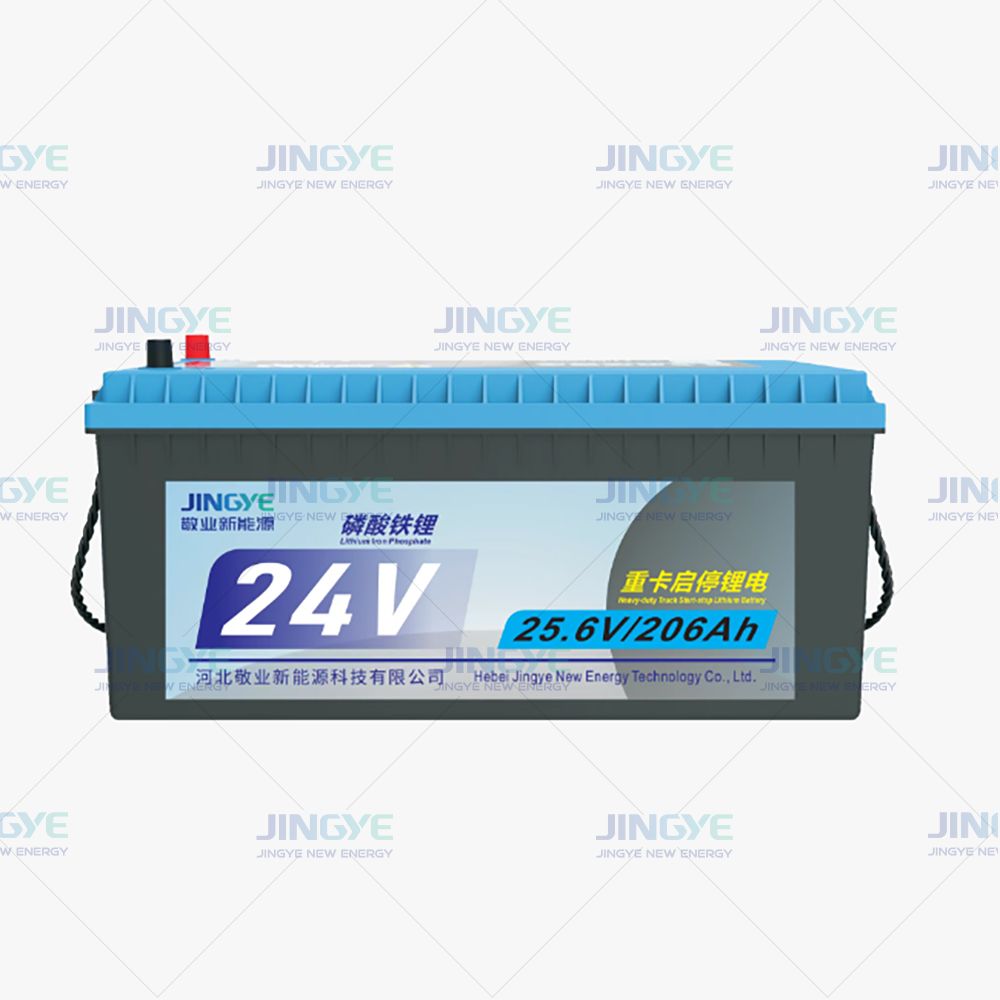
JY530 24V LiFePO4 Commercial Vehicle Battery
The JY530 is a 24V LiFePO4 (lithium) battery for heavy trucks and commercial vehicles, engineered for reliable engine starting and stable low-voltage power. From Jingye New Energy, a China commercial vehicle battery manufacturer, it delivers 25.6V/206Ah (5.3kWh), 1500A starting current, and operation down to -40°C — a direct lead-acid replacement with app, Bluetooth, and cloud monitoring. OEM/ODM available
JY530 24V LiFePO4 Commercial Vehicle Battery
The JY530 is a 24V LiFePO4 (lithium) battery for heavy trucks and commercial vehicles, engineered for reliable engine starting and stable low-voltage power. From Jingye New Energy, a China commercial vehicle battery manufacturer, it delivers 25.6V/206Ah (5.3kWh), 1500A starting current, and operation down to -40°C — a direct lead-acid replacement with app, Bluetooth, and cloud monitoring. OEM/ODM available
JY530 24V LiFePO4 Commercial Vehicle Battery
The JY530 is a 24V LiFePO4 (lithium) battery for heavy trucks and commercial vehicles, engineered for reliable engine starting and stable low-voltage power. From Jingye New Energy, a China commercial vehicle battery manufacturer, it delivers 25.6V/206Ah (5.3kWh), 1500A starting current, and operation down to -40°C — a direct lead-acid replacement with app, Bluetooth, and cloud monitoring. OEM/ODM available
JY530 24V LiFePO4 Commercial Vehicle Battery
The JY530 is a 24V LiFePO4 (lithium) battery for heavy trucks and commercial vehicles, engineered for reliable engine starting and stable low-voltage power. From Jingye New Energy, a China commercial vehicle battery manufacturer, it delivers 25.6V/206Ah (5.3kWh), 1500A starting current, and operation down to -40°C — a direct lead-acid replacement with app, Bluetooth, and cloud monitoring. OEM/ODM available
JY530 24V LiFePO4 Commercial Vehicle Battery
The JY530 is a 24V LiFePO4 (lithium) battery for heavy trucks and commercial vehicles, engineered for reliable engine starting and stable low-voltage power. From Jingye New Energy, a China commercial vehicle battery manufacturer, it delivers 25.6V/206Ah (5.3kWh), 1500A starting current, and operation down to -40°C — a direct lead-acid replacement with app, Bluetooth, and cloud monitoring. OEM/ODM available
JY530 24V LiFePO4 Commercial Vehicle Battery
The JY530 is a 24V LiFePO4 (lithium) battery for heavy trucks and commercial vehicles, engineered for reliable engine starting and stable low-voltage power. From Jingye New Energy, a China commercial vehicle battery manufacturer, it delivers 25.6V/206Ah (5.3kWh), 1500A starting current, and operation down to -40°C — a direct lead-acid replacement with app, Bluetooth, and cloud monitoring. OEM/ODM available
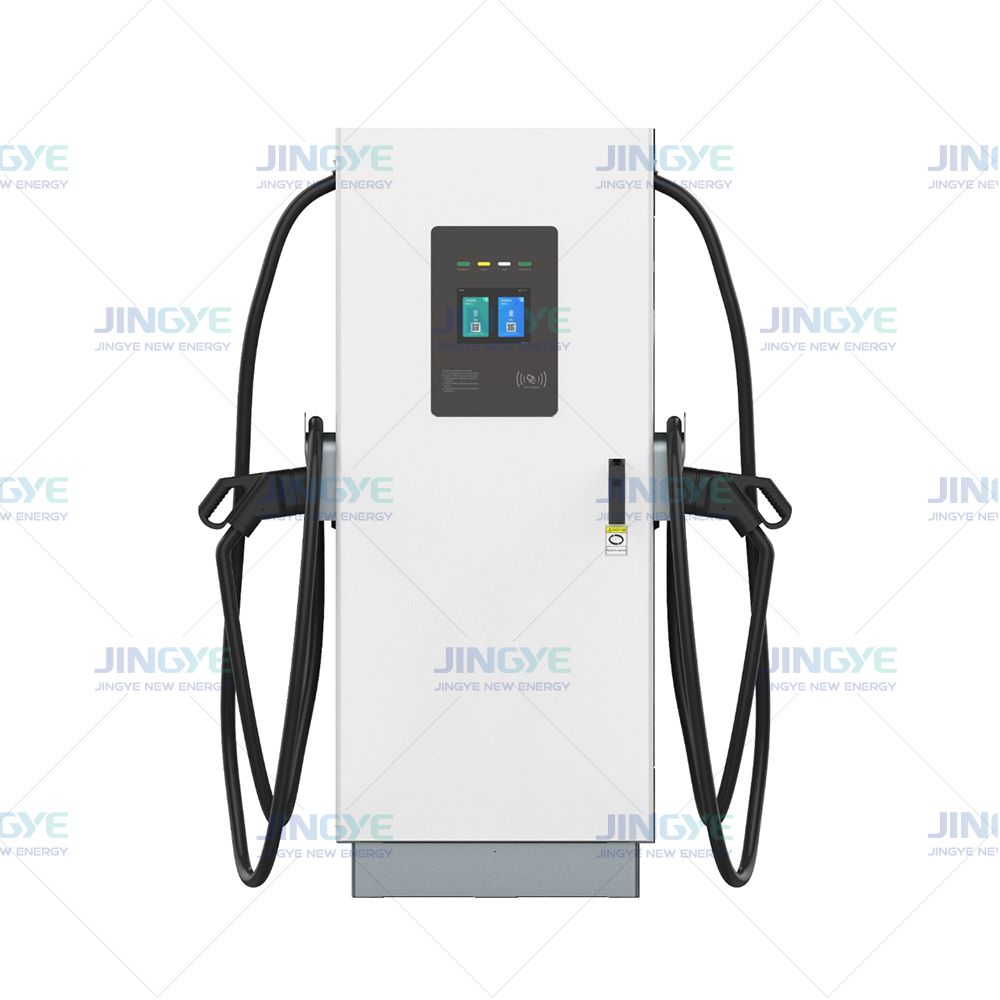
40kW–160kW Electric Vehicle DC Charger
The Jingye 40kW–160kW DC charger covers the mid-power range for destination charging, fleet depots, workplaces, and commercial parking. With a 200V–1000V output supporting both 400V and 800V platforms, ≥94% average efficiency, and an IP54 enclosure for outdoor installation, it delivers dependable everyday fast charging at a lower grid-connection cost than ultra-high-power stations. OEM/ODM available.
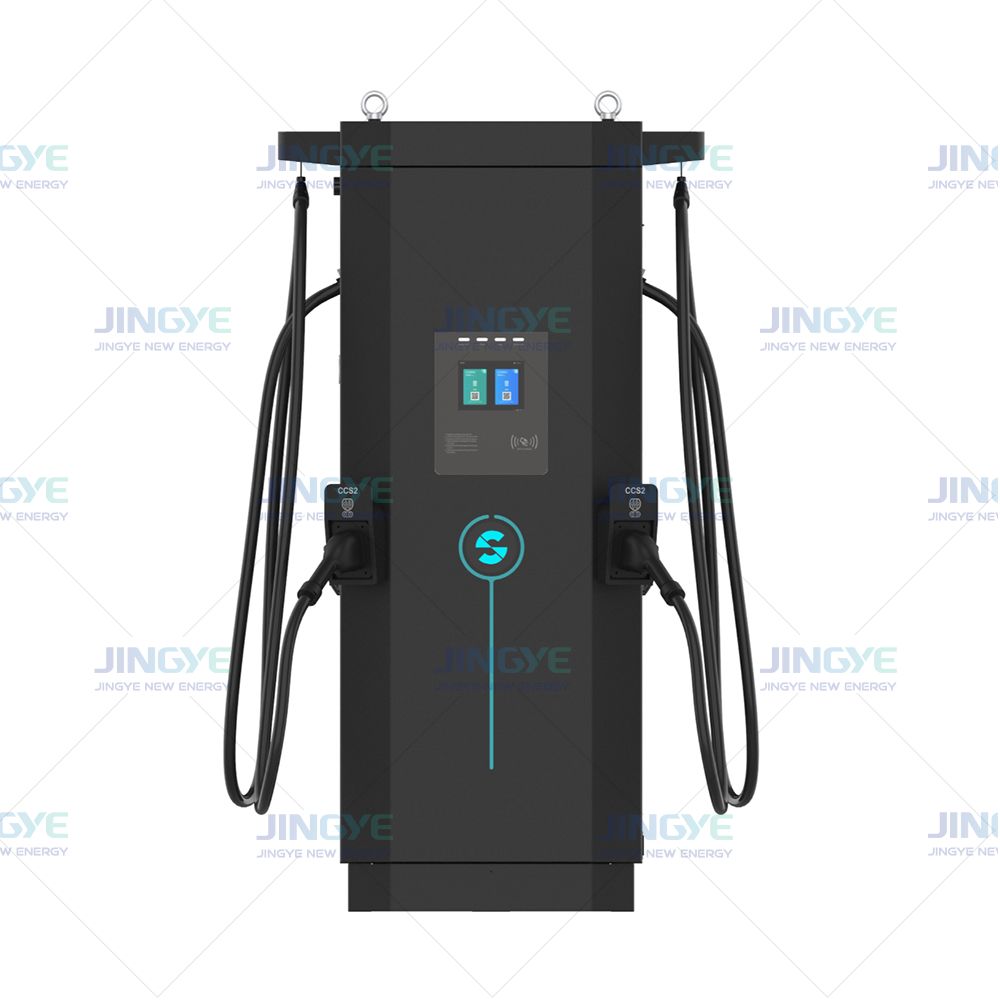
The Jingye 60kW–240kW DC fast EV charger is a high-power commercial charger for public charging stations, fleet depots, and high-traffic infrastructure. With a continuously adjustable 150V–1000V output supporting both 400V and 800V platforms — from passenger cars to electric buses and trucks — and ≥94% average efficiency, it's built for reliable, high-uptime commercial operation. Validated in our CNAS-accredited lab. OEM/ODM available.
Let’s Get Started on Your New Energy Journey.