Aug 04, 2026
Quick answer: Air-cooled energy storage systems cost less upfront and are simpler to maintain, making them a fit for smaller, low-cycle, or budget-driven installations. Liquid-cooled systems cost slightly more upfront but deliver more uniform cell temperatures, higher energy density, longer cycle life, and lower total cost of ownership — which is why they have become the standard for commercial, industrial (C&I), and utility-scale projects that cycle daily. For most modern C&I and utility applications, liquid cooling is the better long-term choice; air cooling still makes sense for light-duty or cost-sensitive deployments.
Air-cooled energy storage systems use fans to move air across the battery cells and modules to remove heat. The design is mechanically simple, has fewer components, and is cheaper to build and service. Its limitation is thermal uniformity: air removes heat unevenly, so cells in different positions can sit at different temperatures. Over years of daily cycling, that temperature spread accelerates uneven aging and can shorten the life of the weakest cells.
Liquid-cooled energy storage systems circulate a coolant through plates or channels in direct contact with the battery modules. Liquid carries far more heat than air and holds every cell within a tighter temperature band. That tighter control enables higher energy density (more kWh in the same footprint), more consistent cell aging, higher round-trip efficiency, and stronger performance in hot climates and high-cycle duty. The trade-off is a more complex system — pumps, coolant loops, and controls — which raises the upfront cost.
| Factor | Air-cooled | Liquid-cooled |
|---|---|---|
| Upfront cost | Lower | Slightly higher |
| Thermal uniformity | Less even (wider cell temperature spread) | Very even (tight temperature band) |
| Energy density / footprint | Lower density, larger footprint | Higher density, smaller footprint |
| Cycle life | Shorter under heavy cycling | Longer — up to 8,000+ cycles at 90% DoD |
| Round-trip / system efficiency | Slightly lower | Higher (up to ~90% system efficiency) |
| Hot-climate performance | Weaker | Strong |
| Maintenance | Simpler, fewer parts | More components, but sealed and low-maintenance in modern designs |
| Noise | Higher (fans) | Lower |
| Best fit | Small, low-cycle, budget projects | C&I and utility projects with daily cycling |
| Total cost of ownership | Higher over 10 years | Lower over 10 years |
Choose air cooling if your project is small, cycles infrequently, operates in a mild climate, and upfront budget is the deciding factor. For light-duty backup or occasional peak shaving, air cooling can be perfectly adequate at a lower entry price.
Choose liquid cooling if your system cycles daily (peak shaving and valley filling, load shifting, grid arbitrage), sits in a warm environment, needs maximum capacity in a limited footprint, or must run reliably for 10 years. In these cases the higher upfront cost is repaid through longer life, higher efficiency, and lower maintenance — a lower total cost of ownership.
For a system that charges and discharges every day, the important number is not the purchase price — it is the cost per usable kWh over the system's life. A liquid-cooled LFP system that delivers over 8,000 cycles at 90% depth of discharge and up to 10 years of service, while holding ~90% system efficiency, spreads its cost across far more delivered energy than an air-cooled system that ages faster. In regions with time-of-use tariffs, the higher efficiency and longer life also mean more revenue captured from each "valley charge, peak discharge" cycle.
Jingye New Energy builds liquid-cooled LFP energy storage for C&I and utility applications — including 261kWh and 417kWh energy storage cabinets and 5MWh containerized systems using high-density 314Ah cells, liquid cooling, integrated fire protection, and intelligent BMS monitoring. These systems are engineered for daily cycling, long service life, and demanding operating environments, and are proven in deployed projects such as the Jiangsu Jingye Iron & Steel 50MW/100.32MWh power station. OEM/ODM customization is available.
Cooling is just one factor — see our full guide on how to choose a C&I energy storage system.
Q: Is liquid cooling worth the extra cost for a commercial energy storage system?
A: For systems that cycle daily, yes. Liquid cooling extends cycle life, improves efficiency, and lowers maintenance, which reduces total cost of ownership over a 10-year life despite the higher upfront price. For small or low-cycle systems, air cooling can be more economical.
Q: Does liquid cooling improve battery life?
A: Yes. By keeping all cells within a tight temperature band, liquid cooling reduces uneven aging and thermal stress, supporting 8,000+ cycles at 90% depth of discharge in modern LFP systems.
Q: Is air-cooled or liquid-cooled better in hot climates?
A: Liquid cooling performs better in hot climates because it removes heat more effectively and keeps cell temperatures stable, whereas air cooling loses effectiveness as ambient temperature rises.
Q: Which cooling method is used for utility-scale energy storage?
A: Liquid cooling is the standard for utility-scale and high-cycle C&I systems because of its higher energy density, efficiency, and longer life. Air cooling is more common in smaller, low-cycle installations.
Sep. 10, 2026
Solar Inverter Buying Guide 2026: How to Choose the Right One
A 2026 guide to choosing the right solar inverter — single-phase vs three-phase, string vs hybrid, efficiency, MPPTs, sizing, and what actually matters for your project.
Sep. 08, 2026
You Have Solar — So Why Is Your Electricity Bill Still High?
Installed solar but your electricity bill is still high? Here's the reason most systems miss — and how battery storage and a hybrid inverter finally turn your solar into real savings.
Sep. 07, 2026
How Does Laboratory Validation Reduce Battery Project Risk?
When an energy storage project is evaluated, buyers often focus on capacity, efficiency, cycle life, price, and system configuration.
Related Products
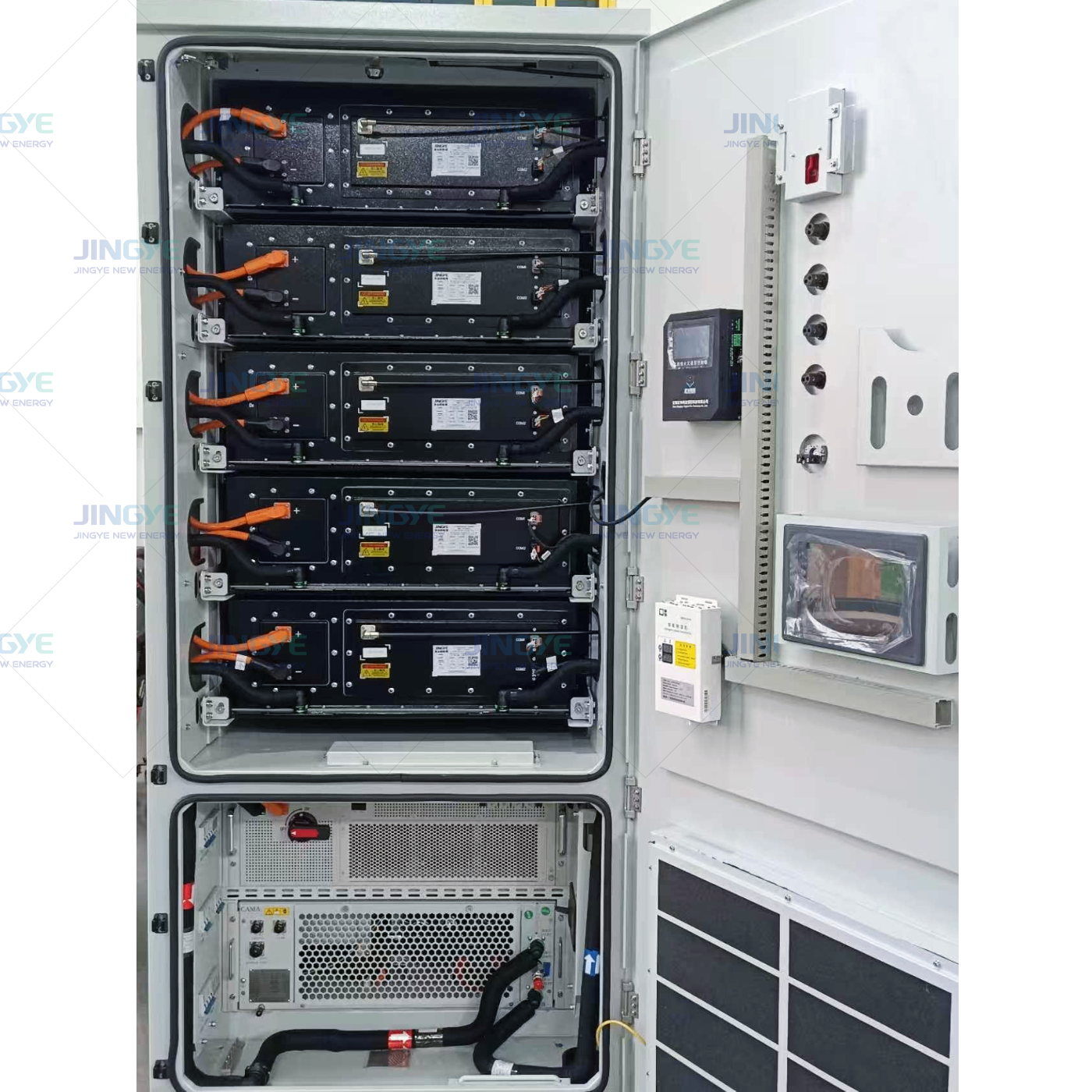
LFP-261kWh All-in-One Energy Storage Cabinet
The LFP-261kWh is an all-in-one commercial & industrial energy storage cabinet from Jingye New Energy, with a built-in 125kW inverter (PCS) — battery and inverter in one unit, no separate PCS needed. It delivers 261kWh using 314Ah LFP cells, liquid-cooled, >6,000 cycles, IP54, for peak shaving, load shifting, solar self-consumption, and backup power at small-to-medium sites. OEM/ODM available.
LFP-261kWh All-in-One Energy Storage Cabinet
The LFP-261kWh is an all-in-one commercial & industrial energy storage cabinet from Jingye New Energy, with a built-in 125kW inverter (PCS) — battery and inverter in one unit, no separate PCS needed. It delivers 261kWh using 314Ah LFP cells, liquid-cooled, >6,000 cycles, IP54, for peak shaving, load shifting, solar self-consumption, and backup power at small-to-medium sites. OEM/ODM available.
LFP-261kWh All-in-One Energy Storage Cabinet
The LFP-261kWh is an all-in-one commercial & industrial energy storage cabinet from Jingye New Energy, with a built-in 125kW inverter (PCS) — battery and inverter in one unit, no separate PCS needed. It delivers 261kWh using 314Ah LFP cells, liquid-cooled, >6,000 cycles, IP54, for peak shaving, load shifting, solar self-consumption, and backup power at small-to-medium sites. OEM/ODM available.
LFP-261kWh All-in-One Energy Storage Cabinet
The LFP-261kWh is an all-in-one commercial & industrial energy storage cabinet from Jingye New Energy, with a built-in 125kW inverter (PCS) — battery and inverter in one unit, no separate PCS needed. It delivers 261kWh using 314Ah LFP cells, liquid-cooled, >6,000 cycles, IP54, for peak shaving, load shifting, solar self-consumption, and backup power at small-to-medium sites. OEM/ODM available.
LFP-261kWh All-in-One Energy Storage Cabinet
The LFP-261kWh is an all-in-one commercial & industrial energy storage cabinet from Jingye New Energy, with a built-in 125kW inverter (PCS) — battery and inverter in one unit, no separate PCS needed. It delivers 261kWh using 314Ah LFP cells, liquid-cooled, >6,000 cycles, IP54, for peak shaving, load shifting, solar self-consumption, and backup power at small-to-medium sites. OEM/ODM available.
LFP-261kWh All-in-One Energy Storage Cabinet
The LFP-261kWh is an all-in-one commercial & industrial energy storage cabinet from Jingye New Energy, with a built-in 125kW inverter (PCS) — battery and inverter in one unit, no separate PCS needed. It delivers 261kWh using 314Ah LFP cells, liquid-cooled, >6,000 cycles, IP54, for peak shaving, load shifting, solar self-consumption, and backup power at small-to-medium sites. OEM/ODM available.
LFP-261kWh All-in-One Energy Storage Cabinet
The LFP-261kWh is an all-in-one commercial & industrial energy storage cabinet from Jingye New Energy, with a built-in 125kW inverter (PCS) — battery and inverter in one unit, no separate PCS needed. It delivers 261kWh using 314Ah LFP cells, liquid-cooled, >6,000 cycles, IP54, for peak shaving, load shifting, solar self-consumption, and backup power at small-to-medium sites. OEM/ODM available.
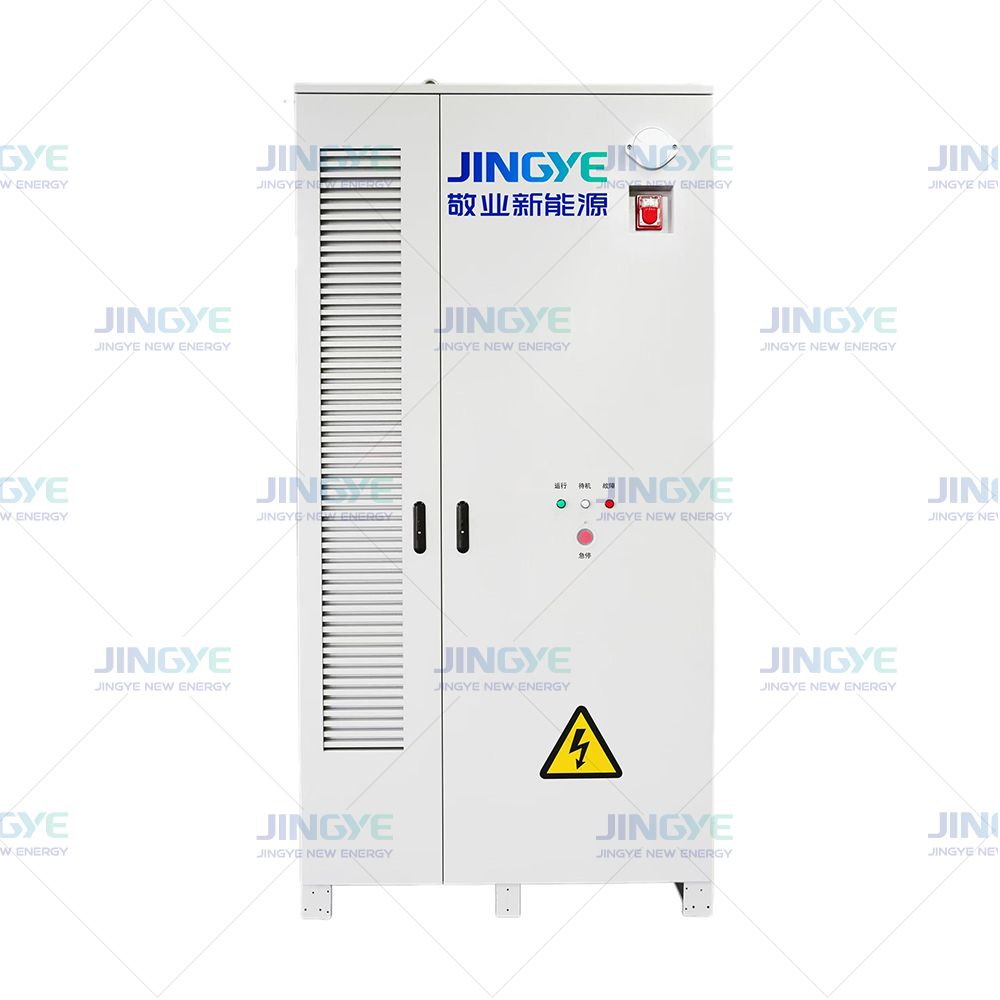
LFP-417kWh Energy Storage Cabinet
The LFP-417kWh is a high-capacity commercial & industrial energy storage cabinet from Jingye New Energy, built for large C&I sites that need maximum energy per footprint. It delivers 417kWh using 314Ah LFP cells on a 1331.2V platform, liquid-cooled, >8,000 cycles, IP55, and is series-scalable with an external PCS — for peak shaving, load management, and solar integration. OEM/ODM available.
LFP-417kWh Energy Storage Cabinet
The LFP-417kWh is a high-capacity commercial & industrial energy storage cabinet from Jingye New Energy, built for large C&I sites that need maximum energy per footprint. It delivers 417kWh using 314Ah LFP cells on a 1331.2V platform, liquid-cooled, >8,000 cycles, IP55, and is series-scalable with an external PCS — for peak shaving, load management, and solar integration. OEM/ODM available.
LFP-417kWh Energy Storage Cabinet
The LFP-417kWh is a high-capacity commercial & industrial energy storage cabinet from Jingye New Energy, built for large C&I sites that need maximum energy per footprint. It delivers 417kWh using 314Ah LFP cells on a 1331.2V platform, liquid-cooled, >8,000 cycles, IP55, and is series-scalable with an external PCS — for peak shaving, load management, and solar integration. OEM/ODM available.
LFP-417kWh Energy Storage Cabinet
The LFP-417kWh is a high-capacity commercial & industrial energy storage cabinet from Jingye New Energy, built for large C&I sites that need maximum energy per footprint. It delivers 417kWh using 314Ah LFP cells on a 1331.2V platform, liquid-cooled, >8,000 cycles, IP55, and is series-scalable with an external PCS — for peak shaving, load management, and solar integration. OEM/ODM available.
LFP-417kWh Energy Storage Cabinet
The LFP-417kWh is a high-capacity commercial & industrial energy storage cabinet from Jingye New Energy, built for large C&I sites that need maximum energy per footprint. It delivers 417kWh using 314Ah LFP cells on a 1331.2V platform, liquid-cooled, >8,000 cycles, IP55, and is series-scalable with an external PCS — for peak shaving, load management, and solar integration. OEM/ODM available.
LFP-417kWh Energy Storage Cabinet
The LFP-417kWh is a high-capacity commercial & industrial energy storage cabinet from Jingye New Energy, built for large C&I sites that need maximum energy per footprint. It delivers 417kWh using 314Ah LFP cells on a 1331.2V platform, liquid-cooled, >8,000 cycles, IP55, and is series-scalable with an external PCS — for peak shaving, load management, and solar integration. OEM/ODM available.
LFP-417kWh Energy Storage Cabinet
The LFP-417kWh is a high-capacity commercial & industrial energy storage cabinet from Jingye New Energy, built for large C&I sites that need maximum energy per footprint. It delivers 417kWh using 314Ah LFP cells on a 1331.2V platform, liquid-cooled, >8,000 cycles, IP55, and is series-scalable with an external PCS — for peak shaving, load management, and solar integration. OEM/ODM available.
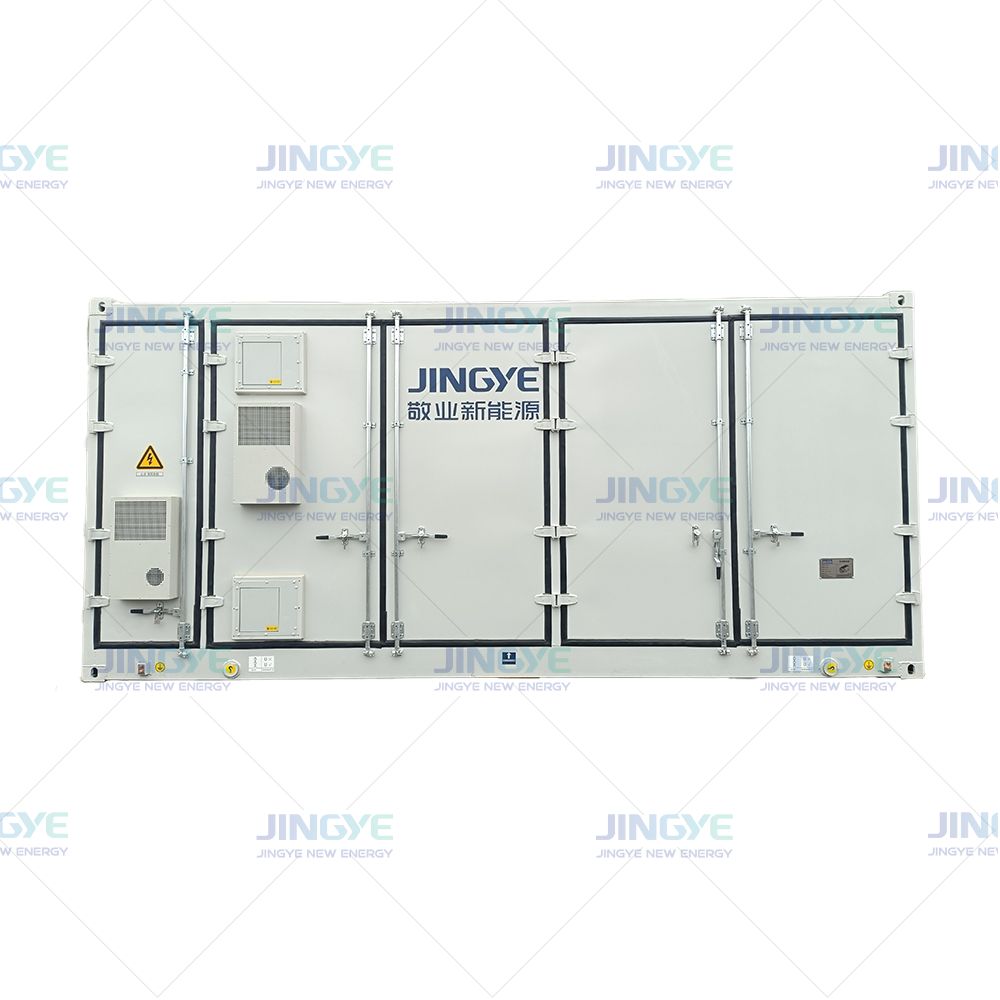
5.015MWh Liquid-Cooled BESS Container (Containerized Energy Storage System)
The 5.015MWh liquid-cooled BESS container from Jingye New Energy is a utility-scale containerized energy storage system built on 314Ah LFP cells. As a China-based BESS container manufacturer and supplier, we deliver 5,015 kWh of battery energy storage in a standard 20-foot container — up to 2.5 MW charge/discharge, liquid-cooled, with multi-level fire protection. OEM/ODM available; request a price today.
5.015MWh Liquid-Cooled BESS Container (Containerized Energy Storage System)
The 5.015MWh liquid-cooled BESS container from Jingye New Energy is a utility-scale containerized energy storage system built on 314Ah LFP cells. As a China-based BESS container manufacturer and supplier, we deliver 5,015 kWh of battery energy storage in a standard 20-foot container — up to 2.5 MW charge/discharge, liquid-cooled, with multi-level fire protection. OEM/ODM available; request a price today.
5.015MWh Liquid-Cooled BESS Container (Containerized Energy Storage System)
The 5.015MWh liquid-cooled BESS container from Jingye New Energy is a utility-scale containerized energy storage system built on 314Ah LFP cells. As a China-based BESS container manufacturer and supplier, we deliver 5,015 kWh of battery energy storage in a standard 20-foot container — up to 2.5 MW charge/discharge, liquid-cooled, with multi-level fire protection. OEM/ODM available; request a price today.
5.015MWh Liquid-Cooled BESS Container (Containerized Energy Storage System)
The 5.015MWh liquid-cooled BESS container from Jingye New Energy is a utility-scale containerized energy storage system built on 314Ah LFP cells. As a China-based BESS container manufacturer and supplier, we deliver 5,015 kWh of battery energy storage in a standard 20-foot container — up to 2.5 MW charge/discharge, liquid-cooled, with multi-level fire protection. OEM/ODM available; request a price today.
5.015MWh Liquid-Cooled BESS Container (Containerized Energy Storage System)
The 5.015MWh liquid-cooled BESS container from Jingye New Energy is a utility-scale containerized energy storage system built on 314Ah LFP cells. As a China-based BESS container manufacturer and supplier, we deliver 5,015 kWh of battery energy storage in a standard 20-foot container — up to 2.5 MW charge/discharge, liquid-cooled, with multi-level fire protection. OEM/ODM available; request a price today.
5.015MWh Liquid-Cooled BESS Container (Containerized Energy Storage System)
The 5.015MWh liquid-cooled BESS container from Jingye New Energy is a utility-scale containerized energy storage system built on 314Ah LFP cells. As a China-based BESS container manufacturer and supplier, we deliver 5,015 kWh of battery energy storage in a standard 20-foot container — up to 2.5 MW charge/discharge, liquid-cooled, with multi-level fire protection. OEM/ODM available; request a price today.
5.015MWh Liquid-Cooled BESS Container (Containerized Energy Storage System)
The 5.015MWh liquid-cooled BESS container from Jingye New Energy is a utility-scale containerized energy storage system built on 314Ah LFP cells. As a China-based BESS container manufacturer and supplier, we deliver 5,015 kWh of battery energy storage in a standard 20-foot container — up to 2.5 MW charge/discharge, liquid-cooled, with multi-level fire protection. OEM/ODM available; request a price today.
Let’s Get Started on Your New Energy Journey.