Energy Storage System
Jingye New Energy delivers containerized Battery Energy Storage Systems that help utilities, industrial facilities, and renewable developers improve grid stability, maximize clean energy use, and reduce long-term operating costs. Each system integrates battery modules, thermal management, fire protection, and intelligent monitoring into a standardized container for fast deployment and simple maintenance.
A BESS is a fully integrated system that stores electrical energy in batteries and releases it when needed — balancing supply and demand, providing backup power, and stabilizing the grid. Jingye's systems use lithium iron phosphate (LFP) cells for high safety, long cycle life, and stable performance.
Our flagship product is the 5.015MWh liquid-cooled energy storage container: 314Ah LFP cells at 1331.2V DC nominal, up to 2.5MW rated power, housed in a standard 20-foot container with integrated liquid cooling and a three-level automatic fire suppression system. We also offer multi-capacity industrial and commercial energy storage systems and European-standard dual-module 5MWh configurations.
Jingye energy storage systems support utility-scale grid storage, renewable integration with solar and wind, peak shaving for heavy industry, microgrids, and grid support services such as frequency regulation and voltage stabilization.
Systems include multi-level BMS monitoring across cell, pack, cluster, and system levels, a three-level automatic alarm and fire extinguishing system (PACK, cluster, and compartment), plus internal temperature, humidity, smoke, video, and access monitoring.
Yes. Jingye's energy storage systems power large industrial deployments, including the 50MW/100.32MWh Jiangsu Jingye Iron and Steel user-side power station and the 15MW/30.09MWh Huaxi Special Steel station, which generated over 300,000 RMB in profit within its first 15 days of grid-connected operation.
Yes. Capacity, voltage platform, communication protocols (Modbus, CAN, Ethernet, SCADA), and grid-connection requirements can all be tailored through our OEM/ODM engineering service, backed by installation guidance, commissioning support, and warranty service.
Join us and become a customer or partner
We always need your help to expand and develop our business. If you are interested in our products or are interested in becoming our partner, please click the button below and our team will contact you as soon as possible.
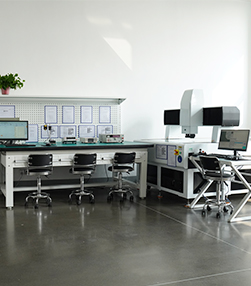
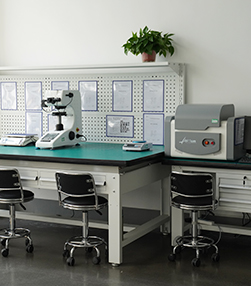
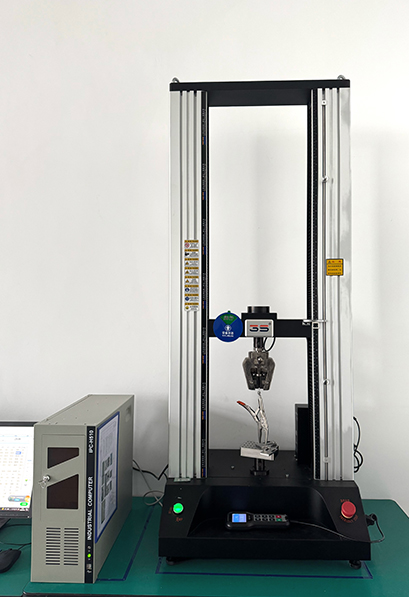
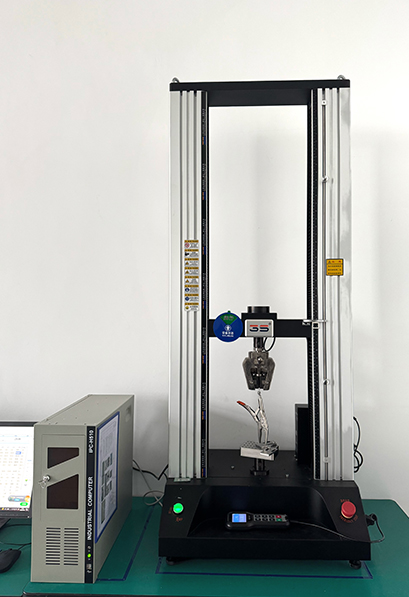
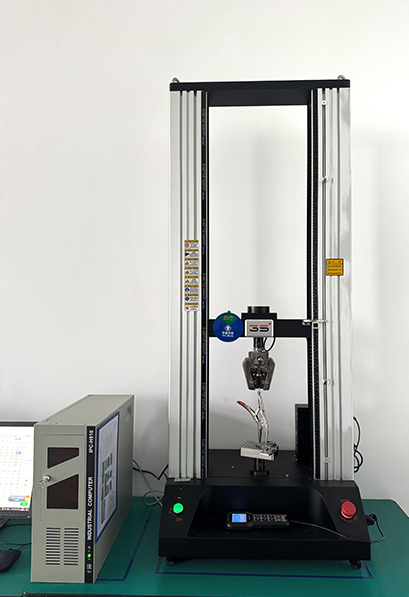
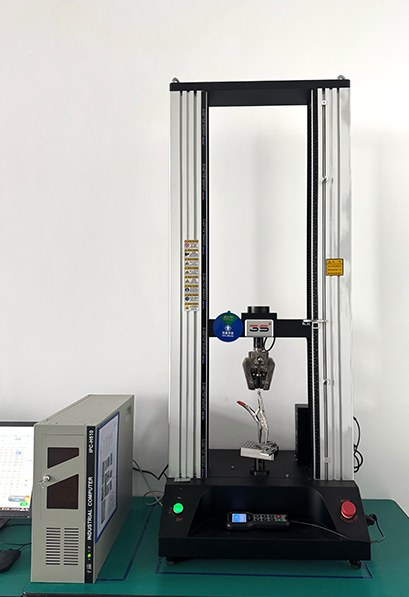
Jingye New Energy Testing Laboratory is the core support platform of the company's quality management system. Its CNAS-accredited facility ranks among the industry’s top in total investment, with hardware and technical capabilities both reaching advanced domestic levels.
Equipped with over 100 sets of professional testing equipment, the laboratory features domestically leading key instruments, fully covering critical testing dimensions: physical and chemical analysis, electrochemical performance, safety and reliability, environmental adaptability, and precision dimension and appearance inspection. Among these, the automatic 2D optical measuring instrument—leveraging non-contact optical imaging technology—is widely applied to dimensional control of precision components, significantly improving testing accuracy and efficiency.
In the meantime, the laboratory has built a high-caliber testing team. Focusing on core links of the new energy industry chain, the team has established a full-lifecycle testing service system spanning incoming raw material inspection, in-process component testing, and end-product type testing. It delivers scientific, impartial and accurate technical support for a full range of products including energy storage battery systems, power battery systems and CCS integrated busbars, laying a solid foundation for the company’s product quality improvement and technological innovation.
Sep. 22, 2026
Why EV Charger Efficiency Matters for Commercial Charging Operations
A commercial charging site can lose thousands of dollars each year through inefficiency long before an operator notices a hardware failure. When a DC fast EV charger converts grid electricity into battery power, energy is lost as heat, switching loss, cable loss, cooling demand, and standby consumption. A charger operating at 94% efficiency instead of 97% may appear to differ by only three
Sep. 22, 2026
EV Charging Infrastructure for Electric Bus Fleets
EV Charging Infrastructure for Electric Bus Fleets must deliver reliable power, safe operation, and predictable charging costs every day. An electric bus depot needs enough charging capacity to serve vehicles without delaying routes. Depot charging, battery management systems, and fleet scheduling are now central parts of daily bus operations. Electric bus fleets also require accurate energy
Sep. 21, 2026
BESS Commissioning: Key Tests Before Commercial Operation
BESS commissioning confirms that a battery energy storage system is safe, reliable, and ready for commercial operation. A complete battery commissioning test checks the battery management system, power conversion system, and site controls before the asset serves the grid. Poor testing can cause failed grid connection tests, low round trip efficiency, unexpected shutdowns, or unsafe operating
Let’s Get Started on Your New Energy Journey.