Sep. 22, 2026
Why EV Charger Efficiency Matters for Commercial Charging Operations
A commercial charging site can lose thousands of dollars each year through inefficiency long before an operator notices a hardware failure. When a DC fast EV charger converts grid electricity into battery power, energy is lost as heat, switching loss, cable loss, cooling demand, and standby consumption. A charger operating at 94% efficiency instead of 97% may appear to differ by only three
Sep. 22, 2026
EV Charging Infrastructure for Electric Bus Fleets
EV Charging Infrastructure for Electric Bus Fleets must deliver reliable power, safe operation, and predictable charging costs every day. An electric bus depot needs enough charging capacity to serve vehicles without delaying routes. Depot charging, battery management systems, and fleet scheduling are now central parts of daily bus operations. Electric bus fleets also require accurate energy
Sep. 21, 2026
BESS Commissioning: Key Tests Before Commercial Operation
BESS commissioning confirms that a battery energy storage system is safe, reliable, and ready for commercial operation. A complete battery commissioning test checks the battery management system, power conversion system, and site controls before the asset serves the grid. Poor testing can cause failed grid connection tests, low round trip efficiency, unexpected shutdowns, or unsafe operating
Sep. 21, 2026
Energy Storage Capacity vs Power Rating in Utility-Scale BESS
Utility buyers often ask why a 100 MW battery can deliver less energy than expected, or why a 200 MWh system may fail to provide enough instantaneous power. The answer lies in utility-scale BESS energy storage capacity vs power rating: capacity determines duration, while power rating determines output speed. This guide explains how to size a battery energy storage system for grid services,
Sep. 20, 2026
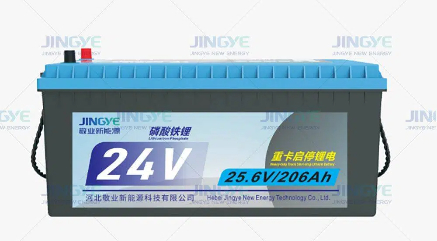
LiFePO4 vs Lead-Acid Commercial Vehicle Battery: Which to Choose for Your Trucks?
A commercial vehicle battery does two jobs: crank a big diesel or gas engine on cold mornings, and steady the low-voltage system while the truck idles, hotels, or runs auxiliary loads.
Sep. 20, 2026
How Much Can a Factory Save with C&I Energy Storage: A Peak-Shaving ROI Guide
A typical factory can cut its total electricity bill by 10% to 40% with a commercial and industrial (C&I) energy storage system, and most projects reach simple payback in 3 to 7 years once demand-charge savings and peak shaving are counted.
Let’s Get Started on Your New Energy Journey.