Sep. 30, 2026
C&I Battery Storage in Germany: Costs, Payback and Sizing Guide (2026)
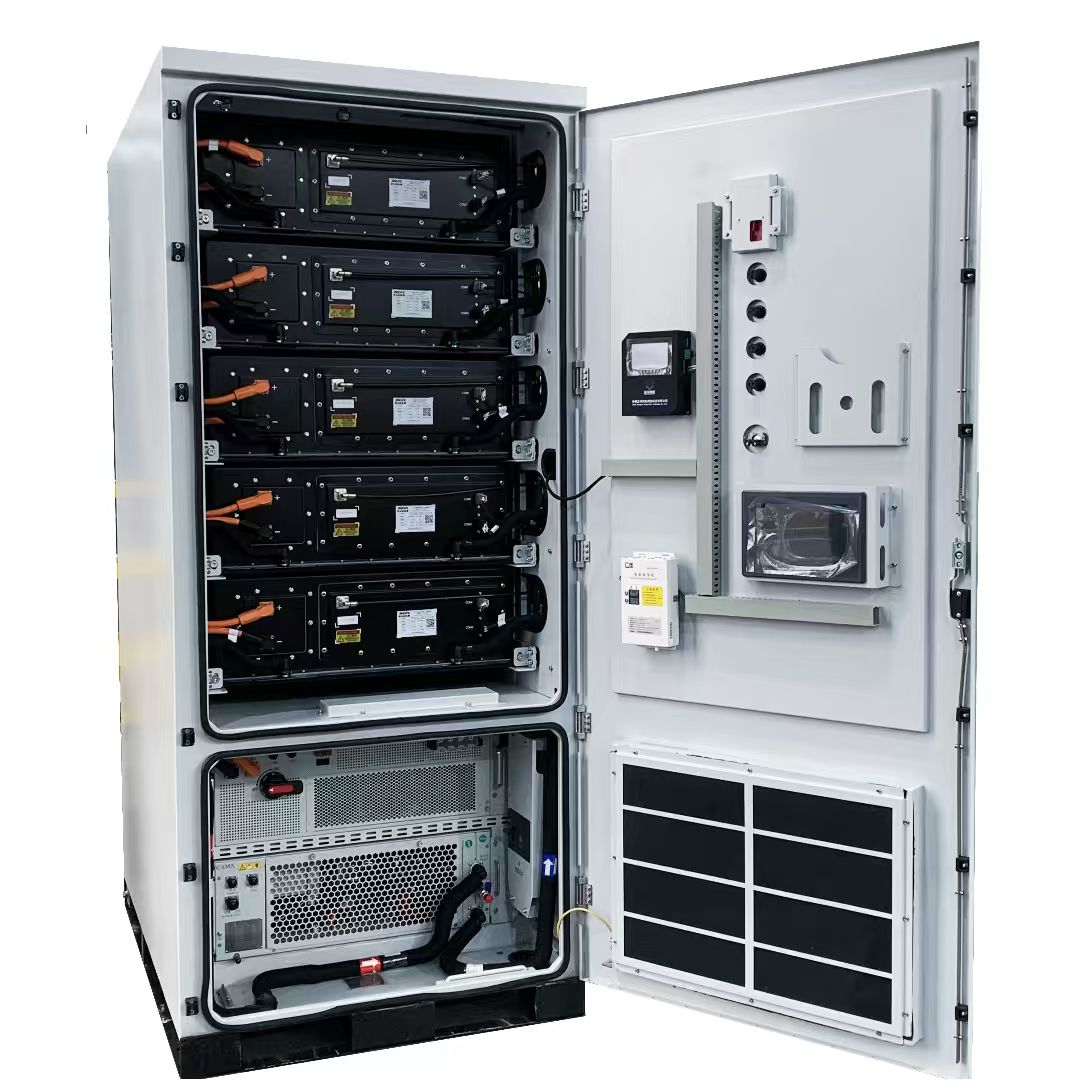
What does commercial battery storage cost in Germany in 2026? Price ranges per kWh, a worked payback example for a 261 kWh cabinet, a sizing guide, and the grid rules and incentives German businesses need to know.
Sep. 30, 2026
EV Charging Station Uptime: Common Causes of Downtime
EV charging station uptime is a key factor in the success of every public and commercial charging site. Reliable charging infrastructure helps drivers charge on time and helps operators protect revenue. A station can lose income when a charger is offline, even if the outage lasts only a few hours. DC fast charging sites face added pressure because they use high power, liquid or forced-air
Sep. 29, 2026
Battery Energy Storage for Voltage Support and Grid Stability
Battery energy storage for voltage support and grid stability helps power networks respond to sudden changes in supply and demand.
Sep. 28, 2026
C&I Battery Storage Capacity vs Power Rating: What Is the Difference?
Energy Storage Cabinets are increasingly used by commercial and industrial buyers to reduce peak demand, support critical loads, improve solar self-consumption, and provide backup power. However, many purchasing teams compare systems by price or cabinet size before understanding the two specifications that determine performance: battery storage capacity, measured in kilowatt-hours (kWh), and
Sep. 28, 2026
How Commercial Energy Storage Helps Reduce Demand Charges
If your electricity bill is rising because of short, high-power peaks, we can solve the problem in a simple sequence: review 12 months of interval data, identify the tariff’s demand-charge window, size Energy Storage Cabinets for the target peak, and configure an automated energy management system to discharge before the peak is billed. This step-by-step approach helps businesses reduce
Sep. 25, 2026
400V vs 800V EV Charging: Key Differences for Modern Electric Vehicles
Choosing between a 400 V and an 800 V electric vehicle is no longer only an engineering decision. It affects charging time, highway convenience, battery design, purchase price, charging site requirements, operating cost, and long-term reliability. For drivers, fleet managers, charging operators, and vehicle manufacturers comparing a DC Fast EV Charger Manufacturer, the most useful answer is not
Let’s Get Started on Your New Energy Journey.