Aug 11, 2026
Answer first: Solar panels make cheap power, but only when the sun shines — often not when your business needs it most. Adding battery storage captures that midday surplus and releases it in the expensive evening peak, so you use more of your own generation, cut demand charges, and keep critical loads running in an outage. Together, solar plus storage turns free sunshine into round-the-clock savings.
A solar array typically peaks at midday, when many businesses use less than they generate. That surplus gets exported for a low price — or curtailed — while the expensive evening peak is still served from the grid. Solar cuts your daytime bill, but it can't shift energy to when it's worth the most. Storage can.
| Time | What happens |
|---|---|
| Morning | Solar covers the load; any surplus starts charging the battery. |
| Midday | Solar peaks; surplus fills the battery instead of being exported cheaply. |
| Evening peak | Battery discharges stored solar, avoiding expensive grid power and demand charges. |
| Night / outage | Battery covers critical loads; recharges on cheap off-peak power if needed. |
The economics of solar plus storage come from combining benefits rather than relying on one. Higher self-consumption, lower demand charges, time-of-use arbitrage, and backup value add up — and because storage also works on non-sunny days by shifting cheap grid power, the system earns its keep year-round.
Solar generates most at midday, often when you need it least. Storage captures that surplus and releases it during expensive evening peaks, raising self-consumption, cutting demand charges, and providing backup.
Yes. Even with little solar, the battery can charge on cheap off-peak grid power and discharge at peak, so it keeps saving money on non-sunny days.
Size it to capture the midday solar you currently export or curtail, and to discharge fast enough to shave your demand peaks. Interval meter and generation data give the right size.
Yes. With the right configuration, the battery keeps critical loads running during outages, and recharges from solar or the grid afterward.
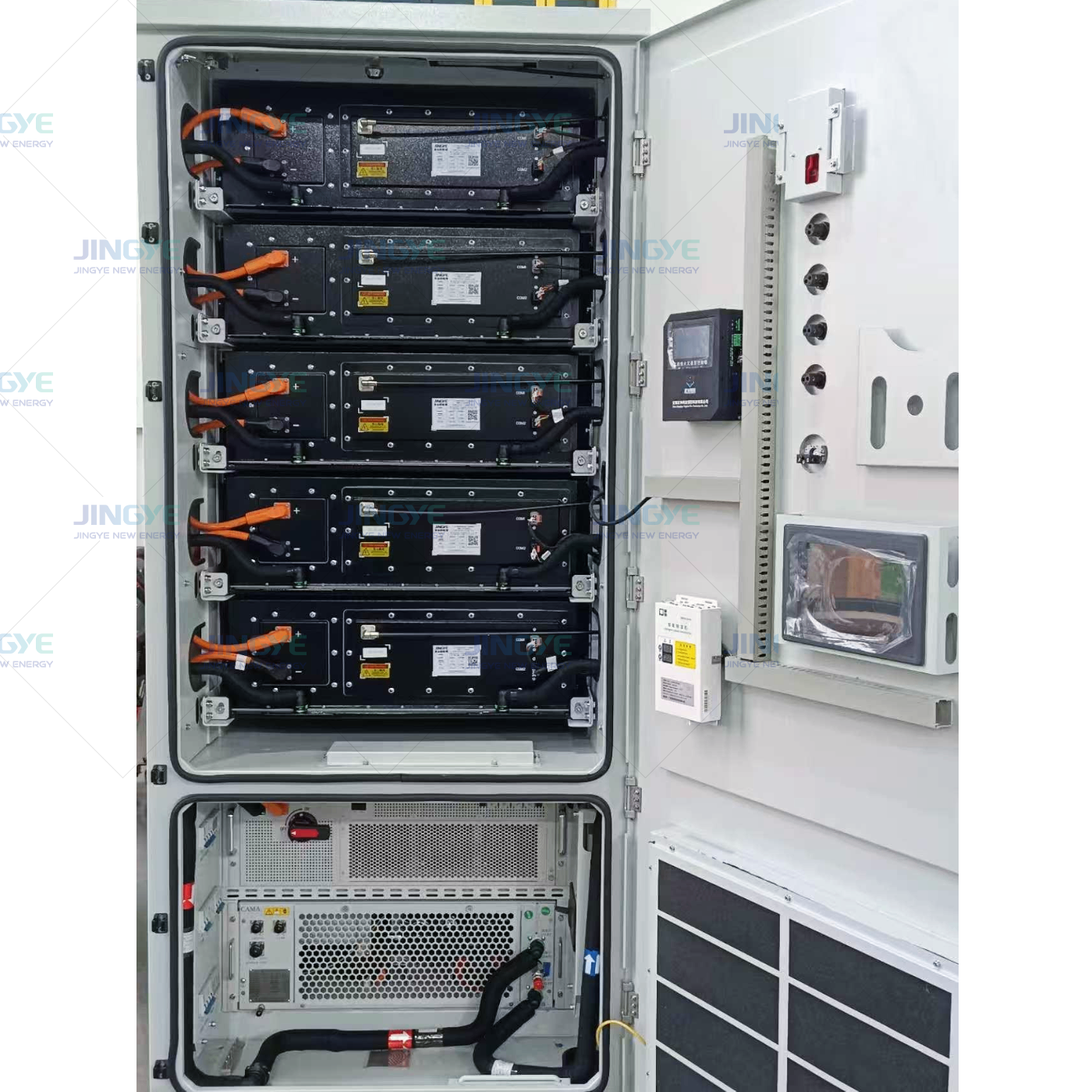
Jingye New Energy manufactures LFP storage that pairs with solar — from 261kWh and 417kWh C&I cabinets to containerized systems — liquid-cooled, long cycle life, multi-level protection. Send your solar size and load profile and we'll help size storage to maximize self-consumption and savings. Contact daniyal@jyrenewables.com.
Related: How C&I storage cuts your electricity bill · What is a BESS?
Sep. 28, 2026
C&I Battery Storage Capacity vs Power Rating: What Is the Difference?
Energy Storage Cabinets are increasingly used by commercial and industrial buyers to reduce peak demand, support critical loads, improve solar self-consumption, and provide backup power. However, many purchasing teams compare systems by price or cabinet size before understanding the two specifications that determine performance: battery storage capacity, measured in kilowatt-hours (kWh), and
Sep. 28, 2026
How Commercial Energy Storage Helps Reduce Demand Charges
If your electricity bill is rising because of short, high-power peaks, we can solve the problem in a simple sequence: review 12 months of interval data, identify the tariff’s demand-charge window, size Energy Storage Cabinets for the target peak, and configure an automated energy management system to discharge before the peak is billed. This step-by-step approach helps businesses reduce
Sep. 25, 2026
400V vs 800V EV Charging: Key Differences for Modern Electric Vehicles
Choosing between a 400 V and an 800 V electric vehicle is no longer only an engineering decision. It affects charging time, highway convenience, battery design, purchase price, charging site requirements, operating cost, and long-term reliability. For drivers, fleet managers, charging operators, and vehicle manufacturers comparing a DC Fast EV Charger Manufacturer, the most useful answer is not
Let’s Get Started on Your New Energy Journey.