Aug 10, 2026
Commercial vehicle batteries are the backbone of trucks, buses, construction equipment, agricultural machinery, and logistics fleets. Choosing the right battery affects vehicle reliability, maintenance costs, fuel efficiency, and overall operational productivity. With various battery technologies and specifications available, buyers should carefully evaluate several factors before making a purchasing decision.
Whether you're managing a transportation fleet or sourcing batteries for heavy-duty equipment, this guide highlights eight essential considerations to help you select the right commercial vehicle batteries for your application.
Different commercial vehicles require different battery technologies.
The most common options include:
Traditional lead-acid batteries remain the most economical choice for many trucks, while AGM batteries offer superior vibration resistance and longer service life. Lithium batteries provide lighter weight and faster charging but come with a higher upfront investment.
Choose a battery technology that matches your vehicle's electrical system and operating conditions.
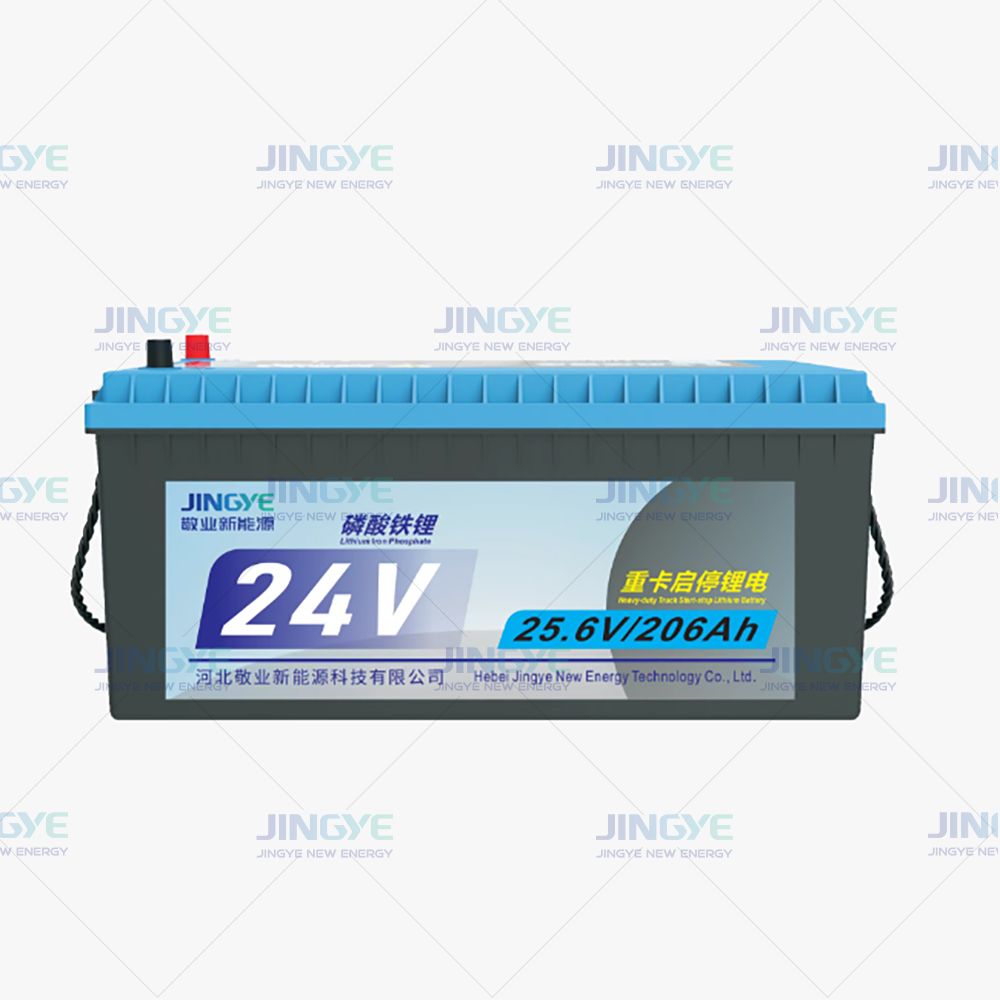
Battery capacity determines how much electrical energy can be stored, while Cold Cranking Amps (CCA) indicate the battery's ability to start the engine in cold temperatures.
Consider:
Vehicles operating in cold climates or carrying heavy electrical loads generally require higher CCA ratings to ensure reliable starting performance.
Commercial vehicle batteries are designed for different operating environments.
Examples include:
Vehicles with frequent stop-start cycles or extensive auxiliary equipment may require batteries with enhanced cycling capability.
Although lower-priced batteries may reduce initial procurement costs, batteries with longer service life often provide better long-term value.
When comparing products, consider:
High-quality batteries can significantly reduce replacement frequency and fleet downtime.
Maintenance needs vary depending on battery type.
Maintenance-free batteries offer several advantages:
For fleets operating across multiple locations, maintenance-free solutions can simplify battery management.
Commercial vehicles often operate under demanding environments, including:
Look for batteries with:
These features help maximize battery performance in challenging applications.
Modern commercial vehicles may include advanced charging systems and intelligent battery management technologies.
Before purchasing, verify:
Selecting the correct battery prevents installation issues and ensures optimal charging efficiency.
Choosing a trusted supplier is just as important as selecting the battery itself.
An experienced manufacturer should provide:
Working directly with an established manufacturer can improve product consistency and reduce long-term procurement risks.
Jingye specializes in manufacturing high-performance commercial vehicle batteries for global customers. With advanced production technology, rigorous quality management, and extensive industry experience, Jingye provides dependable battery solutions for trucks, buses, construction machinery, agricultural equipment, and industrial vehicles.
Jingye offers:
Whether you're a fleet operator, battery distributor, or vehicle manufacturer, Jingye can deliver reliable battery solutions tailored to your business needs.
Website: https://www.jyrenewables.com
Email:
Most commercial vehicle batteries last between 3 and 6 years, depending on battery type, operating conditions, maintenance practices, and charging habits.
AGM and premium flooded lead-acid batteries are popular choices for heavy-duty trucks due to their high starting power and excellent vibration resistance.
Maintain proper charging voltage, avoid deep discharge, inspect terminals regularly, secure the battery firmly, and replace aging batteries before failure occurs.
Yes. Maintenance-free batteries reduce servicing requirements, improve operational efficiency, and are particularly beneficial for commercial fleets with large numbers of vehicles.
When you’re ready to buy, explore our commercial vehicle batteries.
Looking for reliable commercial vehicle batteries for your fleet or distribution business?
Contact Jingye today to receive expert product recommendations, competitive pricing, and customized battery solutions.
Email: allen.meng@jyrenewables.com
Nov. 09, 2026
EV Charging Station Cable Management and Connector Considerations
EV charging station cable management and connector selection affect safety, charging speed, user comfort, and site maintenance. A heavy cable can drag on the ground, while a poor cable holder can cause insulation damage and connector impact. The right charging plug, cable retraction system, and vehicle inlet design reduce these risks. As electric vehicle adoption grows, fleet operators and site
Nov. 06, 2026
Black Start Capability in Battery Energy Storage Systems
Black start capability in battery energy storage systems allows a power network to restart after a total or partial outage without relying on the main grid. A black start battery system uses stored energy, power conversion equipment, and control software to energize a dead bus. This process supports grid forming, microgrid operation, and power system restoration. The system must also start its
Nov. 05, 2026
All-in-One vs Separate PCS Energy Storage Systems
Energy Storage Cabinets are no longer selected only by battery capacity. Buyers also need to evaluate power conversion, safety controls, thermal management, installation time, maintenance access, expansion options, and long-term operating cost. The central purchasing decision is whether to choose an All-in-One energy storage system or a Separate PCS architecture.
Let’s Get Started on Your New Energy Journey.