Commercial Vehicle Batteries
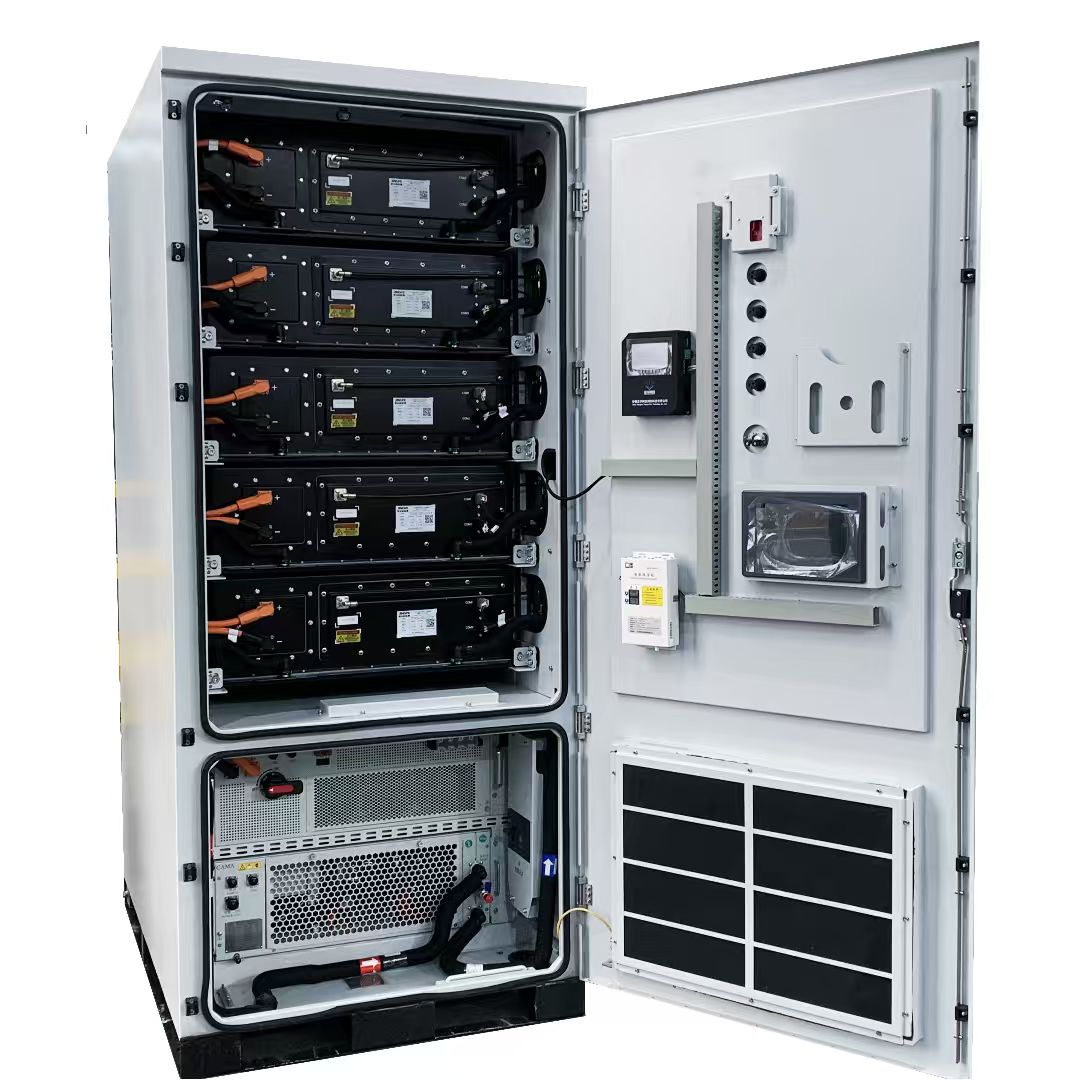
Jingye New Energy's commercial vehicle batteries use lithium iron phosphate (LFP) chemistry to deliver dependable starting power and stable low-voltage supply for heavy-duty trucks and commercial fleets. Designed as a direct replacement for lead-acid batteries, they offer longer cycle life, lighter weight, and intelligent remote monitoring for fleet operators.
Commercial vehicles place different demands on their batteries depending on engine size, duty cycle, climate, parking duration and auxiliary electrical loads. Jingye commercial vehicle batteries can be configured for several primary functions.
Commercial truck engines require batteries capable of delivering high current within a short period. Battery selection must consider the engine, starter motor, minimum operating temperature, existing electrical system and required starting current.
LiFePO4 starting batteries can provide stable voltage output while reducing some of the weight and maintenance limitations associated with conventional lead-acid batteries.
They are suitable for commercial vehicles that require:
Long-haul trucks and sleeper-cab vehicles often need electrical power while the engine is switched off. In addition to starting the engine, a commercial vehicle battery may supply compatible low-voltage equipment such as:
A dual-purpose battery solution must be selected according to both starting-current requirements and expected auxiliary energy consumption.
The parking air conditioner voltage, average power, peak current, expected operating time and other connected loads should be reviewed before battery selection.
Commercial vehicle platforms may use different battery compartments, terminal layouts, charging systems and communication interfaces. A standard battery is not always suitable for every truck or fleet project.
Jingye can evaluate customized commercial vehicle battery requirements involving:
Our commercial vehicle LiFePO4 batteries are primarily intended for low-voltage starting and auxiliary power applications.
Heavy-duty diesel trucks require batteries that can deliver dependable starting current under different operating and temperature conditions.
Battery selection should account for engine displacement, starter-motor requirements, alternator output, battery compartment size and the vehicle’s daily operating cycle.
Long-distance vehicles often remain parked for extended rest periods. During this time, drivers may use parking air conditioning, lighting, communication equipment and other cab systems.
A battery designed for both engine starting and auxiliary power can help support these electrical loads without relying entirely on continuous engine idling.
Fleet operators generally focus on battery reliability, service visibility, replacement frequency and vehicle downtime.
Battery monitoring functions can help fleet maintenance teams review voltage, current, temperature, state of charge and operating status without relying only on manual inspections.
Low temperatures can affect battery charging, discharge and engine-starting performance.
For vehicles operating in cold regions, the battery solution may require:
The final battery configuration should be based on the lowest expected ambient temperature and the vehicle’s parking and starting conditions.
Commercial vehicle batteries should not be selected only by voltage and capacity. The complete vehicle electrical system must be reviewed.
Most heavy trucks use a low-voltage electrical system, but the actual charging voltage and alternator characteristics vary between vehicle platforms.
The nominal battery voltage must match the vehicle system and connected equipment.
Required starting current depends on:
A battery with insufficient starting output may cause voltage drop or unreliable engine starting.
When the battery also powers a parking air conditioner or other onboard equipment, buyers should calculate:
This information determines the battery capacity and continuous discharge requirement.
The alternator voltage, maximum charging current and charging-control strategy must be compatible with the LiFePO4 battery and BMS.
A technical review is particularly important when replacing an original lead-acid battery or modifying the existing vehicle power architecture.
Before selecting a battery, confirm:
The electrical specifications may be suitable even when the physical installation is not.
Commercial vehicle batteries may be exposed to:
Our commercial vehicle batteries are built for 24V-powered heavy trucks and commercial vehicles. They handle both engine starting and continuous power supply for low-voltage onboard equipment, including 24V parking air conditioning systems — allowing drivers to run the AC during rest stops without idling the engine.
The JY530 24V LiFePO4 battery provides 25.6V/206Ah (5.3kWh) capacity, 1500A starting current with a 2500A peak, and continuous 100A charge and discharge — meeting the starting requirements of a wide range of heavy-duty truck models.
Yes. Our batteries directly replace original lead-acid truck batteries, or can be used in parallel with them during a gradual transition. LiFePO4 chemistry provides longer service life, lighter weight, and more stable output than lead-acid.
The batteries support remote monitoring of voltage, temperature, current, and remaining capacity through a mobile app, Bluetooth, and a cloud platform with online diagnostics and remote updates — helping fleet managers track battery health across many vehicles.
Yes. The batteries operates in extreme cold down to -40°C, with 12-layer protection, maintaining reliable engine starts and stable charging in cold environments.
Yes. We provide OEM/ODM customization across voltage platforms and capacities to match different vehicle types and fleet requirements. Contact our team with your vehicle type and requirements for a tailored recommendation.
Join us and become a customer or partner
We always need your help to expand and develop our business. If you are interested in our products or are interested in becoming our partner, please click the button below and our team will contact you as soon as possible.


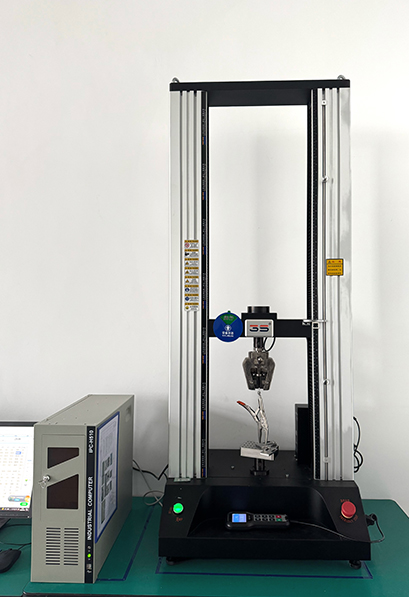
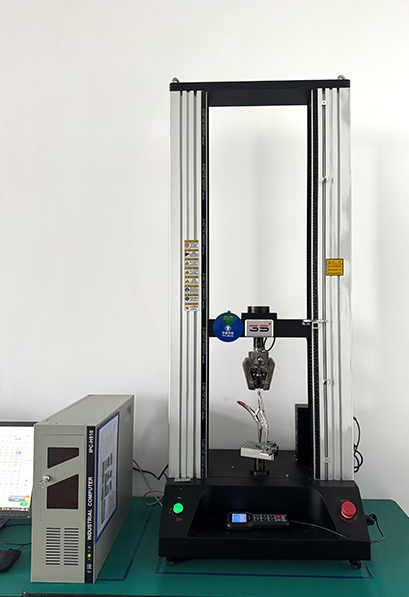
Jingye New Energy Testing Laboratory is the core support platform of the company's quality management system. Its CNAS-accredited facility ranks among the industry’s top in total investment, with hardware and technical capabilities both reaching advanced domestic levels.
Equipped with over 100 sets of professional testing equipment, the laboratory features domestically leading key instruments, fully covering critical testing dimensions: physical and chemical analysis, electrochemical performance, safety and reliability, environmental adaptability, and precision dimension and appearance inspection. Among these, the automatic 2D optical measuring instrument—leveraging non-contact optical imaging technology—is widely applied to dimensional control of precision components, significantly improving testing accuracy and efficiency.
In the meantime, the laboratory has built a high-caliber testing team. Focusing on core links of the new energy industry chain, the team has established a full-lifecycle testing service system spanning incoming raw material inspection, in-process component testing, and end-product type testing. It delivers scientific, impartial and accurate technical support for a full range of products including energy storage battery systems, power battery systems and CCS integrated busbars, laying a solid foundation for the company’s product quality improvement and technological innovation.
Oct. 01, 2026
Fleet Depot Charging: Electrical and Infrastructure Considerations
Fleet depot charging must match vehicle schedules, electrical capacity, and the right DC Fast EV Charger Manufacturer. A depot may need managed charging, load balancing, and a reliable charging network to keep buses, trucks, vans, or service vehicles ready each day. The main challenge is not only charger power. It also includes utility limits, cable routing, transformer size, parking patterns,
Oct. 01, 2026
Peak Shaving vs Load Shifting in Commercial Energy Storage
Energy Storage Cabinets help commercial facilities control when electricity is purchased, reduce exposure to demand charges, and improve power reliability. However, the best operating strategy depends on whether the facility needs to reduce short-duration power spikes, move energy from expensive periods to cheaper periods, or combine both approaches. This guide compares peak shaving and load
Sep. 30, 2026
C&I Battery Storage in Germany: Costs, Payback and Sizing Guide (2026)
What does commercial battery storage cost in Germany in 2026? Price ranges per kWh, a worked payback example for a 261 kWh cabinet, a sizing guide, and the grid rules and incentives German businesses need to know.
Let’s Get Started on Your New Energy Journey.