Aug 03, 2026
In today's fast-evolving energy landscape, the quest for reliable, efficient, and sustainable energy storage solutions has never been more urgent. As we face increasing energy demands, particularly in electric vehicles and renewable energy integration, choosing the right battery technology is paramount. I’ve witnessed firsthand the challenges that industries face when they opt for less suitable battery solutions—be it safety concerns, inefficiency, or even economic implications. Failing to address these challenges could lead to severe repercussions, including operational downtime, increased costs, and a tarnished reputation in a competitive market.
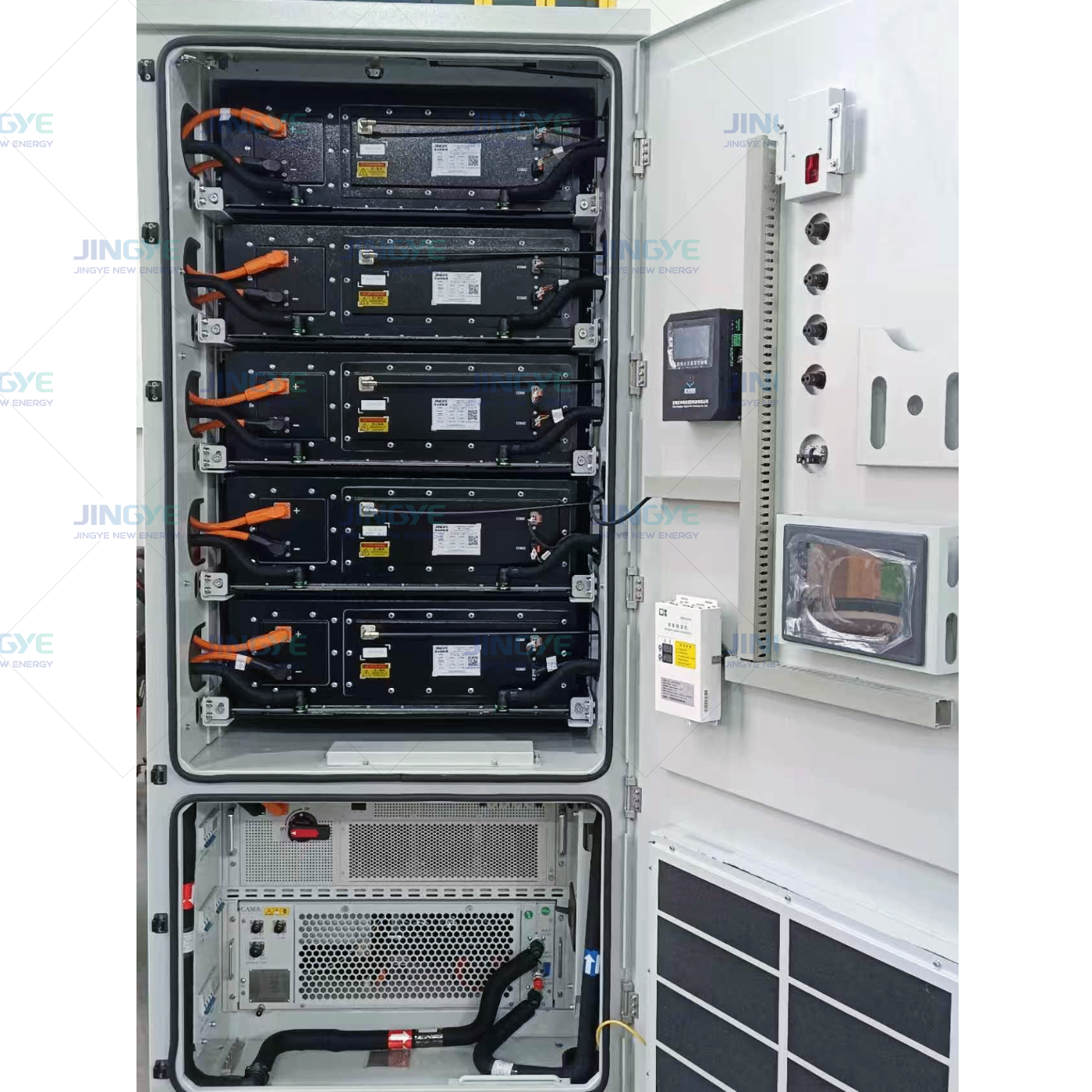
The underlying causes of this urgency largely stem from the limitations of traditional battery technologies, which can struggle with issues such as thermal instability, cost ineffectiveness, and inadequate lifespan. Lithium Iron Phosphate (LFP) batteries, on the other hand, have emerged as a revolutionary alternative. They offer enhanced thermal stability, longer life cycles, and a lower overall cost compared to other lithium-ion batteries. This is essential as industries move towards scalable energy storage solutions, particularly evident in the growing need for a robust 261KWH Energy Storage System.
From a business perspective, the implications of choosing the wrong battery technology can be drastic. Companies leveraging outdated battery solutions may face operational inefficiencies, increased maintenance costs, and even safety hazards that could lead to regulatory scrutiny. As we strive for sustainability in our practices, making informed choices about energy storage systems becomes not just a matter of preference, but a necessity. LFP batteries stand out in this regard; their stable chemistry affords a greater safety profile, making them suitable for high-demand applications like the C&L Energy Storage Cabinet, which harnesses this battery type for reliable performance.
Consider a recent case study involving a mid-sized renewable energy firm. They faced significant challenges with their previous battery solution, which resulted in numerous system failures and a loss of client trust. Upon switching to LFP batteries, they reported a 30% reduction in operational costs and an increase in system efficiency, leading to a rapid recovery in client satisfaction and project completion rates. This is a tangible example of how the right choice in energy storage can not only mitigate risks but also open avenues for growth.
Neglecting to choose appropriate storage solutions does not come without its costs. A reliance on technologies that do not meet current standards could hinder a company's ability to compete. For instance, without the safety and efficiency of LFP batteries, businesses might face unforeseen expenses related to battery failure or accidents—issues which could easily spiral out of control. Furthermore, as energy demands shift and renewable energy sources become more prevalent, the inability to adapt to newer technologies could leave businesses at a severe competitive disadvantage.
In conclusion, I urge you to consider the critical role that LFP batteries play in 261kWh energy storage systems. The advantages they bring, especially in terms of safety, efficiency, and cost-effectiveness, are essential for navigating today’s energy demands. By opting for LFP batteries, particularly for use in the C&L Energy Storage Cabinet, you’re not just making a choice; you’re setting the foundation for a sustainable and profitable future. Let’s embrace the change and unlock the full potential of energy storage together.
Oct. 20, 2026
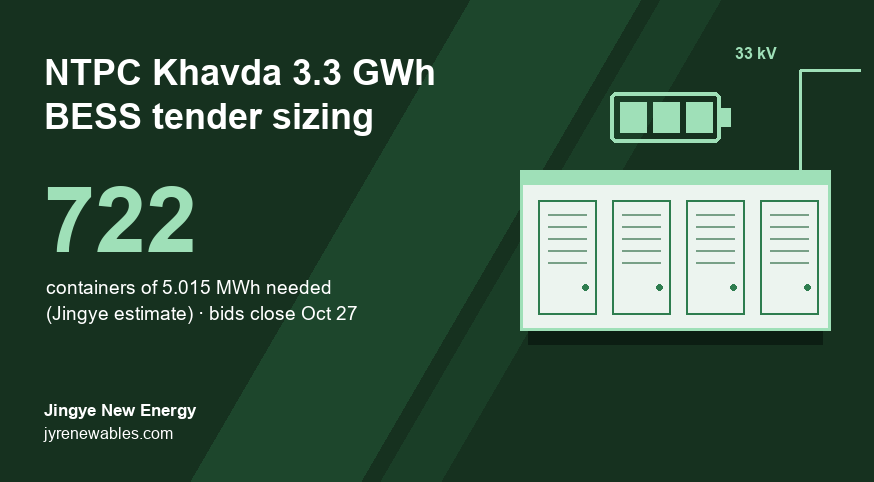
NTPC Khavda 3,300 MWh BESS Tender: How Many Containers You Really Need (2026)
NTPC Green Energy's 1,100 MW / 3,300 MWh Khavda battery tender closes on October 27, 2026. Because capacity is counted as AC energy at the grid point, we estimate it needs about 722 containers of 5.015 MWh, roughly 10% more installed battery than the headline figure.
Oct. 20, 2026
Battery Energy Storage System Architecture: Key Components Explained
A battery energy storage system architecture determines how safely and efficiently a BESS stores, controls, and delivers electricity. The main challenge for overseas buyers is choosing the right structure without creating avoidable cost, safety, or integration problems.
Oct. 19, 2026
Battery Capacity Fade in Commercial Energy Storage Systems
Battery capacity fade in commercial energy storage systems reduces the amount of energy a site can store and deliver. This battery degradation can increase demand charges, reduce backup time, and change the return on investment.
Let’s Get Started on Your New Energy Journey.