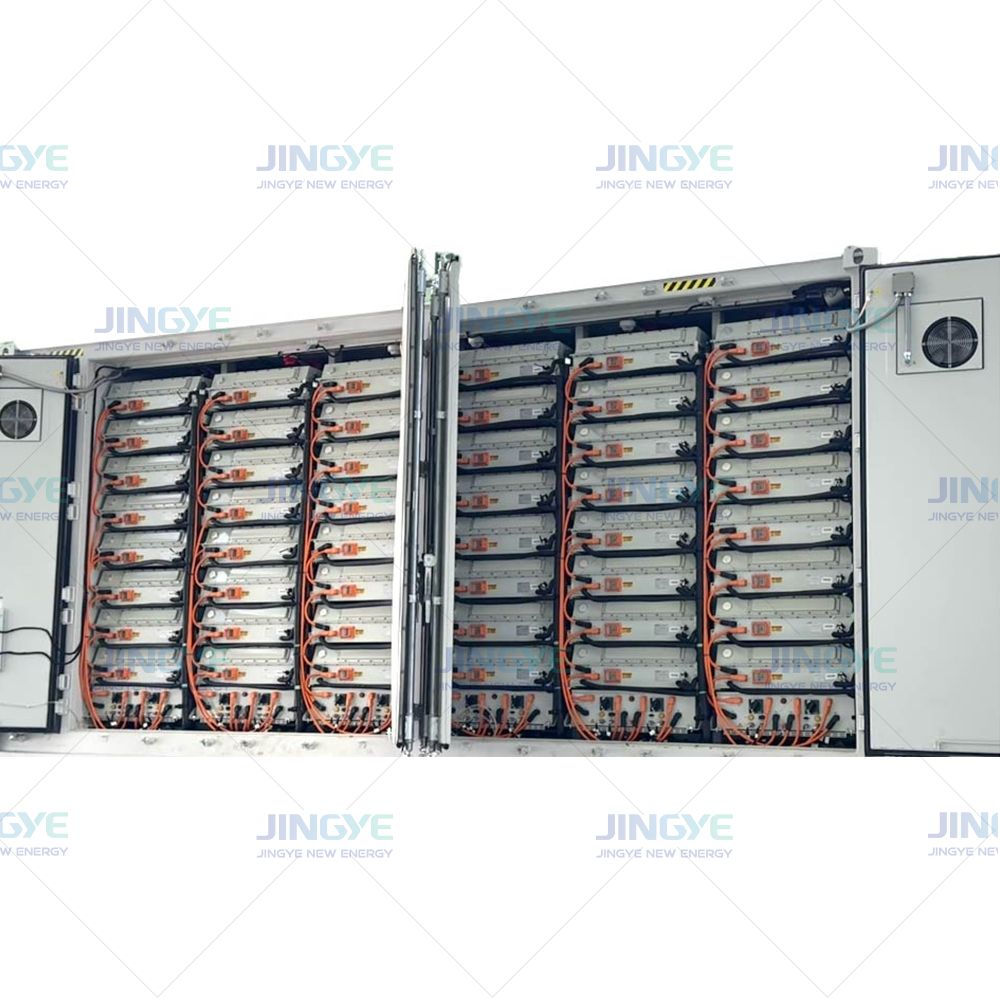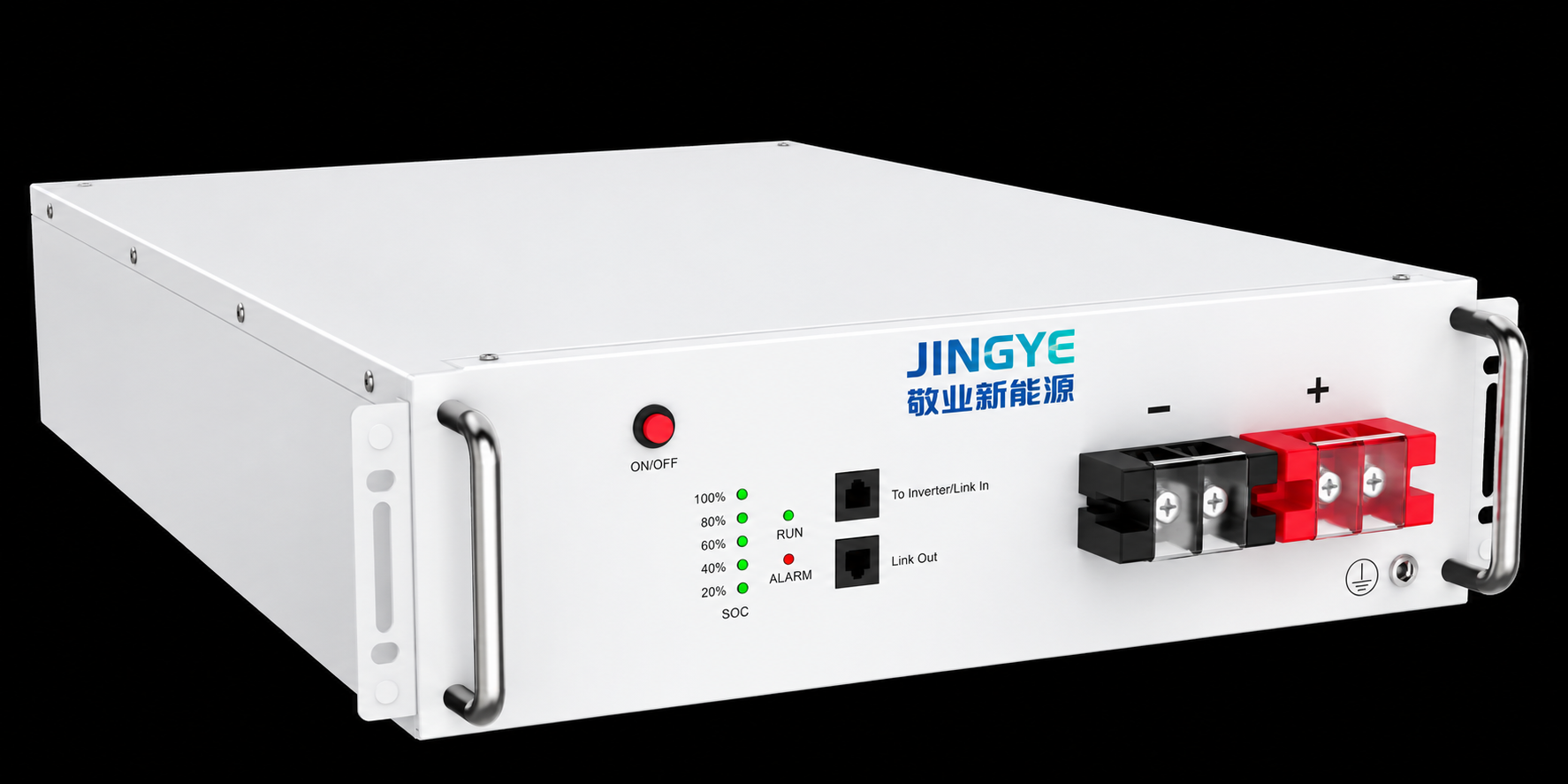

Battery energy storage projects need more than batteries and inverters. A safe battery Energy Storage System also needs BESS switchgear, medium voltage switchgear, and protection relays that can isolate faults in milliseconds. The right protection design reduces fire risk, limits equipment damage, and helps a project achieve higher availability. This guide explains how switchgear and protection systems work, which components buyers should specify, and how Jingye can support reliable energy storage projects.
1. What Are Switchgear and Protection Systems in BESS?
Switchgear is a group of electrical devices used to control, protect, and isolate circuits. In a battery energy storage system, it connects battery racks, power conversion systems, transformers, auxiliary loads, and the utility grid. It also provides a safe way to disconnect equipment during maintenance or an emergency.
A protection system detects abnormal conditions such as short circuits, overcurrent, ground faults, overvoltage, and excessive temperature. It sends a trip signal to a circuit breaker, contactor, or fuse. The goal is simple: remove the faulty section while keeping healthy sections online.
Core functions buyers should expect
- Control charging and discharging paths.
- Interrupt fault current before severe damage occurs.
- Separate the battery DC side from the AC grid side.
- Provide visible isolation for service personnel.
- Measure current, voltage, power, and energy.
- Send alarms and trip records to the energy management system.
For many projects, protection is arranged in layers. Battery management detects cell-level problems. DC protection handles rack and container faults. The power conversion system manages inverter protection. AC switchgear protects the transformer, collector system, and grid connection.
2. Why Does a BESS Need Multiple Protection Layers?
Lithium-ion batteries can deliver high current in a short time. A fault can spread from a cell to a module, rack, or container if the system cannot detect and isolate it quickly. A single fuse is not enough because different faults occur at different voltage levels and locations.
Layered protection creates selective coordination. This means the nearest protective device trips first. For example, a rack fuse should normally clear a rack fault before the main DC breaker trips. This keeps the remaining battery racks available and reduces unnecessary shutdowns.
Typical BESS protection layers
- Cell and module level: The battery management system monitors voltage, temperature, state of charge, and cell balance.
- Rack level: Fuses, DC contactors, current sensors, and isolation devices disconnect abnormal battery strings.
- Container level: DC switchgear, HVAC alarms, smoke detection, gas detection, and fire suppression support safe isolation.
- PCS level: The inverter controls AC and DC faults and stops power conversion when limits are exceeded.
- Medium voltage level: Protection relays and vacuum circuit breakers protect transformers and grid feeders.
- Point of interconnection: Utility protection manages export, import, voltage, frequency, and anti-islanding functions.
Design conclusion: A reliable BESS does not depend on one protective device. It uses coordinated DC, AC, thermal, communication, and mechanical protection.
3. Which Switchgear Components Are Used in Battery Energy Storage?
The exact design depends on battery voltage, PCS rating, transformer size, site voltage, and local grid rules. However, most commercial and utility-scale systems include the components below.
| Component | Location | Main function | Buyer check |
|---|---|---|---|
| DC fuse | Battery rack or combiner | Clears high DC fault current | DC voltage, interrupt rating, time-current curve |
| DC contactor | Battery rack | Controls normal connection and disconnection | Continuous current and breaking capacity |
| DC circuit breaker | Battery container or PCS input | Provides isolation and fault interruption | Polarity, voltage, arc control, short circuit rating |
| AC circuit breaker | PCS output or transformer feeder | Protects AC circuits and equipment | Rated current, breaking capacity, trip unit |
| Protection relay | Medium voltage switchgear | Detects electrical faults and trips breakers | Functions, settings, event records, communication |
| Surge protection device | DC and AC distribution | Limits transient overvoltage | System voltage and discharge rating |
| Earthing system | All metal enclosures | Provides a controlled fault return path | Resistance, bonding, local code compliance |
DC switchgear needs special attention because DC current does not naturally pass through zero as AC current does. This makes arc interruption more difficult. Buyers should confirm that every DC breaker and fuse is rated for the real battery voltage and prospective short circuit current.
4. How Should AC and DC Protection Be Compared?
AC and DC protection solve different problems. AC equipment protects the inverter output, transformer, medium voltage collector, and utility connection. DC equipment protects battery strings and the DC link between the battery and PCS.
| Feature | DC protection | AC protection |
|---|---|---|
| Typical equipment | Fuses, contactors, DC breakers, pre-charge circuits | AC breakers, vacuum breakers, relays, disconnectors |
| Primary risk | Battery fault, DC arc, reverse current | Short circuit, ground fault, overload, grid disturbance |
| Detection source | BMS, current sensor, insulation monitor | Protection relay, meter, PCS controller |
| Isolation point | Rack, combiner, container, or PCS input | PCS output, transformer, feeder, or point of connection |
| Important rating | DC voltage and DC interrupt capacity | AC voltage, frequency, and fault current |
Using an AC breaker on a DC circuit without an approved DC rating is unsafe. The breaker may fail to extinguish the arc. Similarly, a DC fuse cannot replace a complete medium voltage protection scheme. A qualified engineer must match each device to the circuit and fault study.
5. What Protection Functions Are Important for Energy Storage?
Protection settings must reflect the battery chemistry, PCS design, transformer data, cable length, and grid requirements. Settings that are too low can cause nuisance trips. Settings that are too high can delay fault clearing.
Essential electrical protection functions
- Overcurrent protection: Trips when current exceeds a safe limit.
- Short circuit protection: Clears high-current faults quickly.
- Ground fault protection: Detects current flowing through an unwanted path.
- Overvoltage and undervoltage: Protects the PCS, transformer, and battery DC bus.
- Overfrequency and underfrequency: Supports safe grid operation.
- Overtemperature protection: Stops equipment before thermal damage.
- Insulation monitoring: Detects reduced resistance between live conductors and earth.
- Anti-islanding protection: Prevents an energized BESS from feeding a disconnected grid.
- Reverse power protection: Controls unwanted power flow through a transformer or feeder.
Arc flash protection is also important in larger AC switchboards and medium voltage switchgear. An arc flash relay can detect intense light and current rise, then send a rapid trip signal. A faster trip can reduce incident energy, but it does not remove the need for safe work procedures and personal protective equipment.
6. How Do Engineers Select the Correct Switchgear Rating?
Correct selection starts with system data, not a standard product list. The engineer should know the maximum continuous current, maximum battery voltage, minimum operating voltage, fault current, ambient temperature, altitude, installation method, and required service life.
Switchgear selection process
- Define the system architecture: Record battery rack voltage, PCS power, transformer rating, and grid voltage.
- Calculate operating current: Use maximum charge and discharge power at the lowest operating voltage.
- Complete a short circuit study: Determine fault current on both the DC and AC sides.
- Select interrupt ratings: Ensure each fuse and breaker can safely clear the calculated fault.
- Check thermal performance: Confirm continuous current under the actual enclosure and ambient conditions.
- Coordinate protection: Compare time-current curves and relay settings from the rack to the grid.
- Verify communication: Confirm Modbus, Ethernet, hardwired trips, or the required site protocol.
- Test and document: Complete factory tests, commissioning tests, and approved setting records.
For a three-phase AC circuit, current can be estimated from power, voltage, and power factor. A 1 MW system connected at 400 V can carry more than 1,400 A before considering efficiency and power factor. The same power at 10 kV carries about 58 A. This shows why voltage level strongly affects switchgear size and cable design.
Buyer question: Do not ask only for the ampere rating. Ask for the rated voltage, short circuit withstand, breaking capacity, temperature derating, ingress protection, and test standard.
7. What Does a Safe BESS Protection Sequence Look Like?
A clear sequence helps integrators understand how alarms become actions. The sequence should be tested during commissioning and included in the operation manual.
Fault detection and isolation flow chart
- Sensor measures abnormal current, voltage, temperature, insulation, smoke, or gas.
- BMS, PCS controller, or protection relay confirms the alarm.
- Control system checks the trip logic and fault location.
- Local contactor, fuse, or circuit breaker isolates the affected section.
- PCS stops power conversion if the fault can affect the DC or AC bus.
- Medium voltage breaker trips when the transformer or grid feeder is at risk.
- Emergency systems activate if thermal or fire conditions continue.
- Operator reviews the event record before reset and restart.
Automatic reset should be used carefully. A temporary communication alarm may permit a controlled reset. A confirmed insulation fault, smoke alarm, severe overtemperature event, or short circuit normally requires inspection before re-energization.
8. How Can Buyers Avoid Common Protection Problems?
Many BESS failures are linked to gaps between the battery supplier, PCS supplier, switchgear manufacturer, and grid contractor. Each supplier may test its own equipment, but the complete protection chain may remain untested.
Common mistakes and practical solutions
| Common mistake | Possible result | Better practice |
|---|---|---|
| Using the wrong DC interrupt rating | Breaker or fuse failure during a fault | Use a verified DC short circuit study |
| No selective coordination study | Whole container or site trips unnecessarily | Review protection curves from rack to grid |
| Unclear emergency stop logic | Delayed isolation during an incident | Document hardwired and software trip paths |
| Weak communication testing | Alarm or trip signal is not received | Test every signal under simulated fault conditions |
| Poor cable and busbar labeling | Maintenance error and longer downtime | Use durable labels and updated drawings |
| Ignoring heat and dust | Reduced life and nuisance trips | Check cooling, enclosure rating, and derating |
9. What Should Be Included in an Overseas Buyer Specification?
Distributors and project owners should provide a clear technical specification before requesting a quotation. This helps the manufacturer select compatible equipment and prevents expensive changes after production.
Recommended specification checklist
- Battery chemistry, rack voltage range, capacity, and maximum current.
- Number of racks, containers, PCS units, and transformer feeders.
- AC voltage, frequency, grounding method, and utility connection voltage.
- Maximum prospective short circuit current on DC and AC sides.
- Required IP rating, ambient temperature, altitude, and corrosion class.
- Breaker, fuse, relay, and surge protection requirements.
- Local electrical standards and utility protection requirements.
- Communication protocol and remote monitoring requirements.
- Factory acceptance test, site acceptance test, and spare parts list.
- Emergency stop, fire alarm, HVAC interlock, and restart rules.
Overseas projects also need attention to shipping dimensions, cable entry direction, local language labels, replacement lead time, and after-sales support. A compact switchgear design may reduce container space, while a modular design can simplify maintenance and future expansion.
10. Why Work With Jingye for BESS Switchgear Integration?
Jingye can support battery energy storage manufacturers, distributors, and EPC contractors with coordinated protection solutions. The value is not only the enclosure or circuit breaker. It is the connection between battery data, PCS control, switchgear operation, and site safety logic.
A suitable solution can combine DC combiner protection, battery rack isolation, AC distribution, medium voltage switchgear, protection relays, monitoring, and customized cable arrangements. The final design should be matched to the project electrical diagram rather than copied from a generic catalog.
Project support steps from Jingye
- Review the battery, PCS, transformer, and grid parameters.
- Confirm protection functions and operating sequence.
- Recommend ratings, enclosure structure, and communication interfaces.
- Prepare drawings, wiring diagrams, and a protection setting schedule.
- Complete factory inspection and functional testing.
- Support installation, commissioning, troubleshooting, and spare parts planning.
The best switchgear system is one that isolates faults quickly, communicates clearly, remains serviceable, and matches the site grid rules. For a new BESS project, buyers should compare complete protection performance rather than comparing price per cabinet alone.
Frequently Asked Questions About BESS Switchgear and Protection
Is switchgear necessary for every battery energy storage system?
Yes. The size and design may change, but every system needs a method to control and isolate battery, PCS, and grid circuits. Small systems may use integrated breakers and contactors. Large systems normally use separate DC equipment, AC switchboards, and medium voltage switchgear.
What is the difference between a fuse and a circuit breaker?
A fuse opens a circuit by melting when current exceeds its design limit. It is fast and simple but must be replaced after operation. A circuit breaker can open and close repeatedly and may provide adjustable protection, remote control, and status feedback.
Why is DC protection difficult?
DC arcs do not have the natural current zero found in AC systems. The device must use suitable contacts, magnets, chambers, or other arc control methods. A DC-rated product must be selected for the exact voltage, polarity, and fault current.
Can one protection relay control the whole BESS?
One relay may protect a particular feeder or transformer, but a complete BESS normally needs several protection layers. The BMS, PCS, rack devices, container controls, and medium voltage relay must exchange alarms and trip signals in a defined sequence.
What is the most important information for a quotation?
Provide the battery voltage range, maximum current, PCS power, AC voltage, transformer rating, fault current, enclosure conditions, communication protocol, and local standards. Accurate input data leads to a safer quotation and reduces redesign risk.
Final Takeaway
Switchgear and protection systems are the safety control center of a battery energy storage project. Properly coordinated DC protection, AC circuit breakers, medium voltage switchgear, protection relays, grounding, monitoring, and emergency logic can limit faults and improve uptime. Use a complete design review, short circuit study, coordination study, and commissioning test before commercial operation. Jingye can help overseas buyers and distributors build a protection solution that fits their battery system, grid, and operating conditions.