Aug 11, 2026
Answer first: To source a BESS (battery energy storage system) from a China manufacturer safely, verify five things before you commit: certifications (product marks like IEC/CE/UL plus factory standards like ISO 9001), cell and component quality, BMS, EMS and fire safety, the factory's real production capacity and testing, and clear warranty, OEM/ODM and after-sales terms. Confirm the company actually manufactures rather than trades, and agree Incoterms and shipping up front.
China produces a large share of the world's lithium cells and integrated storage systems, giving buyers a deep supplier base, competitive pricing from full supply-chain integration, and mature LFP technology. The trade-off is that quality varies widely between suppliers, so the value is real only if you vet carefully.
Ask for the specific certificates relevant to your market — product marks such as IEC, CE, or UL for the system and cells, plus management-system standards like ISO 9001 (quality), ISO 14001, and ISO 45001, and IATF 16949 where automotive-grade production is involved. Request the actual certificates and check they cover the exact product and factory.
The cells are the heart of the system. Confirm the cell brand and grade (fresh, Grade-A cells — not seconds), the chemistry (LFP for stationary storage), and the rated cycle life. Ask which cells the integration line supports.
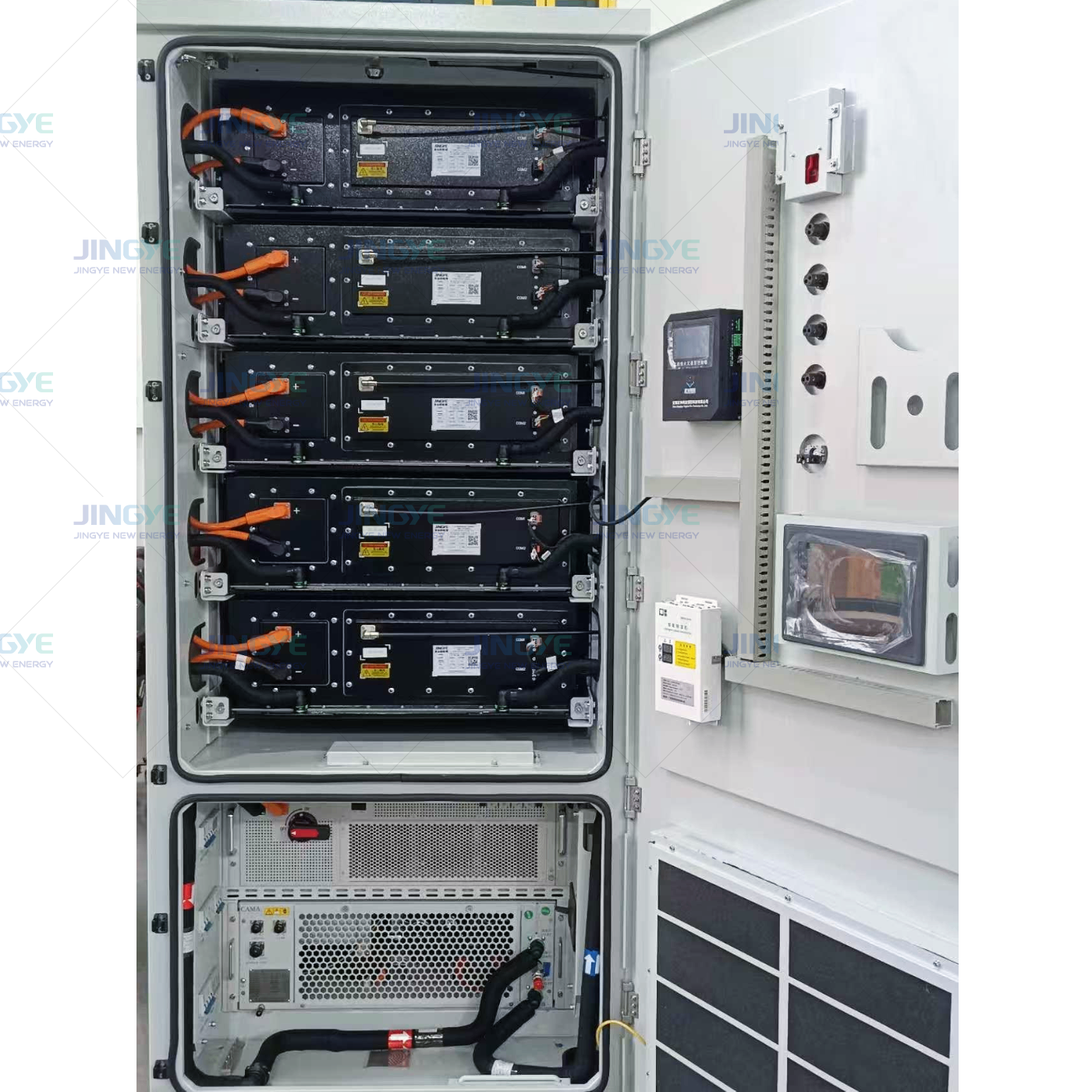
A safe system is more than cells. Check the battery management system (cell-level monitoring and balancing), the energy management system, and multi-level fire protection appropriate to the format (cabinet or container). For containerized systems, ask about liquid cooling and fire-suppression design.
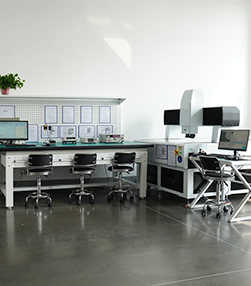
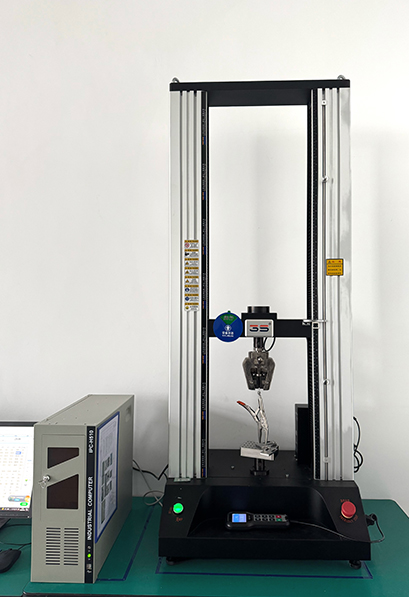
Confirm the supplier is a manufacturer, not just a trading company. Look for a stated annual production capacity, in-house automated production lines, and — importantly — an accredited testing laboratory (for example, a CNAS-accredited facility) that validates products rather than outsourcing quality. A factory audit or video tour helps.
Get the warranty term and what it covers in writing, confirm OEM/ODM capability if you need custom capacity, voltage, connectors or branding, and clarify spare-part availability and service response in your region.
| Step | What to do |
|---|---|
| 1. Specify | Define capacity, power, application, site conditions, and target market/standards. |
| 2. Shortlist | Find manufacturers (not traders) with the right certifications and capacity. |
| 3. Verify | Request certificates, cell details, test reports; audit the factory if possible. |
| 4. Sample/reference | Review deployed projects or references at similar scale. |
| 5. Contract | Agree spec, warranty, OEM/ODM scope, Incoterms, lead time, and payment terms. |
Look for a stated production capacity, in-house automated lines, an accredited test lab, a verifiable factory address, and references. A factory audit or live video tour confirms it isn't just a trading company.
Product marks relevant to your market (such as IEC, CE, or UL) plus management-system standards like ISO 9001, and IATF 16949 where automotive-grade production applies. Always request the certificates for the exact product and factory.
Terms vary by supplier and product, so get the warranty period and coverage in writing, along with spare-part availability and after-sales response in your region, before you commit.
Yes, many China manufacturers offer OEM/ODM — custom capacity, voltage, connectors, enclosure, and branding. Confirm the supplier can design and build to your specification.
Jingye New Energy is a China-based BESS manufacturer, not a trader — with full industrial-chain integration, automated production lines, a CNAS-accredited test lab, and ISO 9001/14001/45001 and IATF 16949 certifications. We build LFP storage from 261kWh and 417kWh C&I cabinets to the 5.015MWh liquid-cooled container, with full OEM/ODM. Tell us your capacity, site, and market for a recommendation and quote. Contact allen.meng@jyrenewables.com.
Related: What is a BESS? · Explore our energy storage products
Sep. 28, 2026
C&I Battery Storage Capacity vs Power Rating: What Is the Difference?
Energy Storage Cabinets are increasingly used by commercial and industrial buyers to reduce peak demand, support critical loads, improve solar self-consumption, and provide backup power. However, many purchasing teams compare systems by price or cabinet size before understanding the two specifications that determine performance: battery storage capacity, measured in kilowatt-hours (kWh), and
Sep. 28, 2026
How Commercial Energy Storage Helps Reduce Demand Charges
If your electricity bill is rising because of short, high-power peaks, we can solve the problem in a simple sequence: review 12 months of interval data, identify the tariff’s demand-charge window, size Energy Storage Cabinets for the target peak, and configure an automated energy management system to discharge before the peak is billed. This step-by-step approach helps businesses reduce
Sep. 25, 2026
400V vs 800V EV Charging: Key Differences for Modern Electric Vehicles
Choosing between a 400 V and an 800 V electric vehicle is no longer only an engineering decision. It affects charging time, highway convenience, battery design, purchase price, charging site requirements, operating cost, and long-term reliability. For drivers, fleet managers, charging operators, and vehicle manufacturers comparing a DC Fast EV Charger Manufacturer, the most useful answer is not
Let’s Get Started on Your New Energy Journey.