Oct 06, 2026
Jingye, a DC Fast EV Charger Manufacturer, helps site operators manage peak electricity demand through coordinated charging, energy storage, and real-time power control. In this guide, I will show you how EV charging stations manage peak electricity demand step by step—from measuring load and setting power limits to applying smart charging and verifying results—so your business can reduce demand charges, avoid transformer overload, and maintain a reliable driver experience.
!
A charging station does not only pay for the electricity consumed in kilowatt-hours (kWh). In many commercial utility tariffs, the operator also pays a demand charge based on the highest average power drawn during a billing interval, often 15 or 30 minutes.
For example, a site with six 150 kW DC fast chargers could theoretically create a 900 kW load if every charger operates at full output simultaneously. Even when vehicles rarely use the full rated power, a short period of high demand can:
That is why understanding How EV Charging Stations Manage Peak Electricity Demand is essential for fleet depots, highway charging hubs, dealerships, logistics centers, and commercial parking facilities.
Energy consumption measures the total electricity used over time. Peak demand measures the highest rate of electricity use during a defined interval.
A simplified example:
| Item | Example value |
|---|---|
| Charger output | 150 kW |
| Number of chargers | 6 |
| Possible simultaneous load | 900 kW |
| Demand interval | 15 minutes |
| Battery energy delivered in 15 minutes at 900 kW | Approximately 225 kWh |
| Main risk | A 900 kW demand peak during the interval |
The operator may not need to reduce total charging energy. Instead, the goal is to flatten the load profile, shift charging to lower-cost periods, and keep instantaneous power below a defined site limit.
The most effective approach combines hardware, software, utility data, and operating rules. As a DC Fast EV Charger Manufacturer, Jingye typically evaluates the complete energy system rather than treating the charger as an isolated device.
Before selecting a control strategy, we recommend recording the site’s electrical behavior for at least 7 to 30 days.
Collect:
A site energy meter or power-quality analyzer should provide interval data at 1-minute, 5-minute, or 15-minute resolution. For larger commercial systems, an energy management system (EMS) can combine utility meters, charger data, photovoltaic generation, and battery status in one dashboard.
We should also confirm the available service capacity. For example, if a facility has a 500 kVA transformer, installing chargers with a combined nameplate rating of 1 MW does not mean the chargers can safely operate at 1 MW simultaneously.
After measuring the baseline, set a site import limit below the safe operating capacity of the electrical service.
For instance:
If the service capacity is 800 kW and the building consumes 250 kW during its normal operating period, the site may not have 550 kW of practical charging capacity. A safety margin and load variability must be included.
The EMS can continuously compare real-time site demand with the configured threshold. When the building load rises, the system automatically reduces EV charging output. When the building load falls, charging power can increase again.
This process is known as dynamic load management, load balancing, or power-sharing control.
When several EVs charge at the same time, a static power allocation may waste capacity. Dynamic load balancing distributes available power according to real-time conditions.
A typical priority model may include:
For example, instead of allowing four 150 kW chargers to operate at full output, the system may allocate:
The total remains 360 kW, but the allocation can change every few seconds based on vehicle requirements and site conditions.
This is more effective than simply reducing every charger to the same output. A vehicle near the end of its charging session may need only limited power, while another vehicle with a strict departure deadline may require priority.
Smart charging adjusts charging power or charging time according to electricity prices, grid constraints, and operational needs.
For commercial fleets, I recommend creating charging rules such as:
Time-of-use (TOU) tariffs can make charging after midnight cheaper than charging during an afternoon peak. However, a low energy rate does not automatically mean a low total bill. A site may still create a high demand charge if multiple vehicles begin charging at once.
Therefore, the charging schedule must control both:
Protocols such as OCPP 1.6 and OCPP 2.0.1 can support charging profiles, transaction monitoring, remote control, and fault reporting when correctly implemented by the charger and backend system.
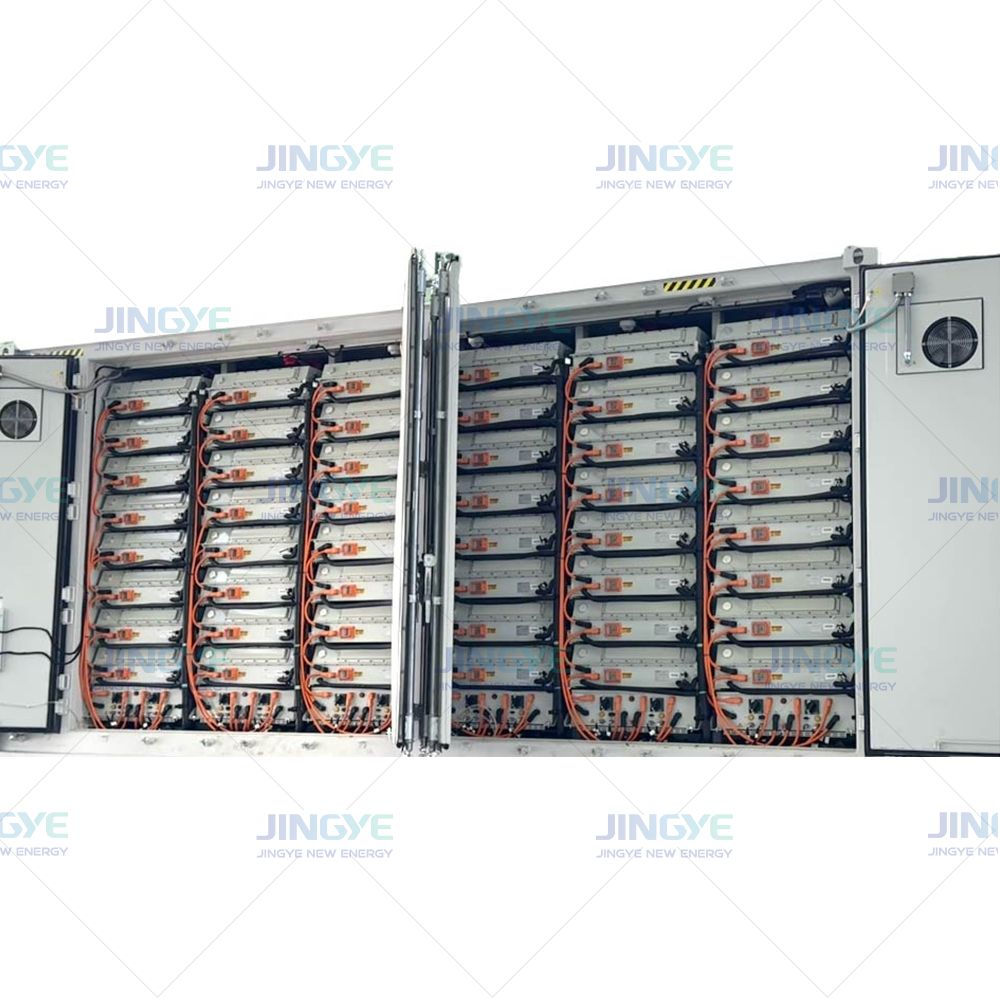
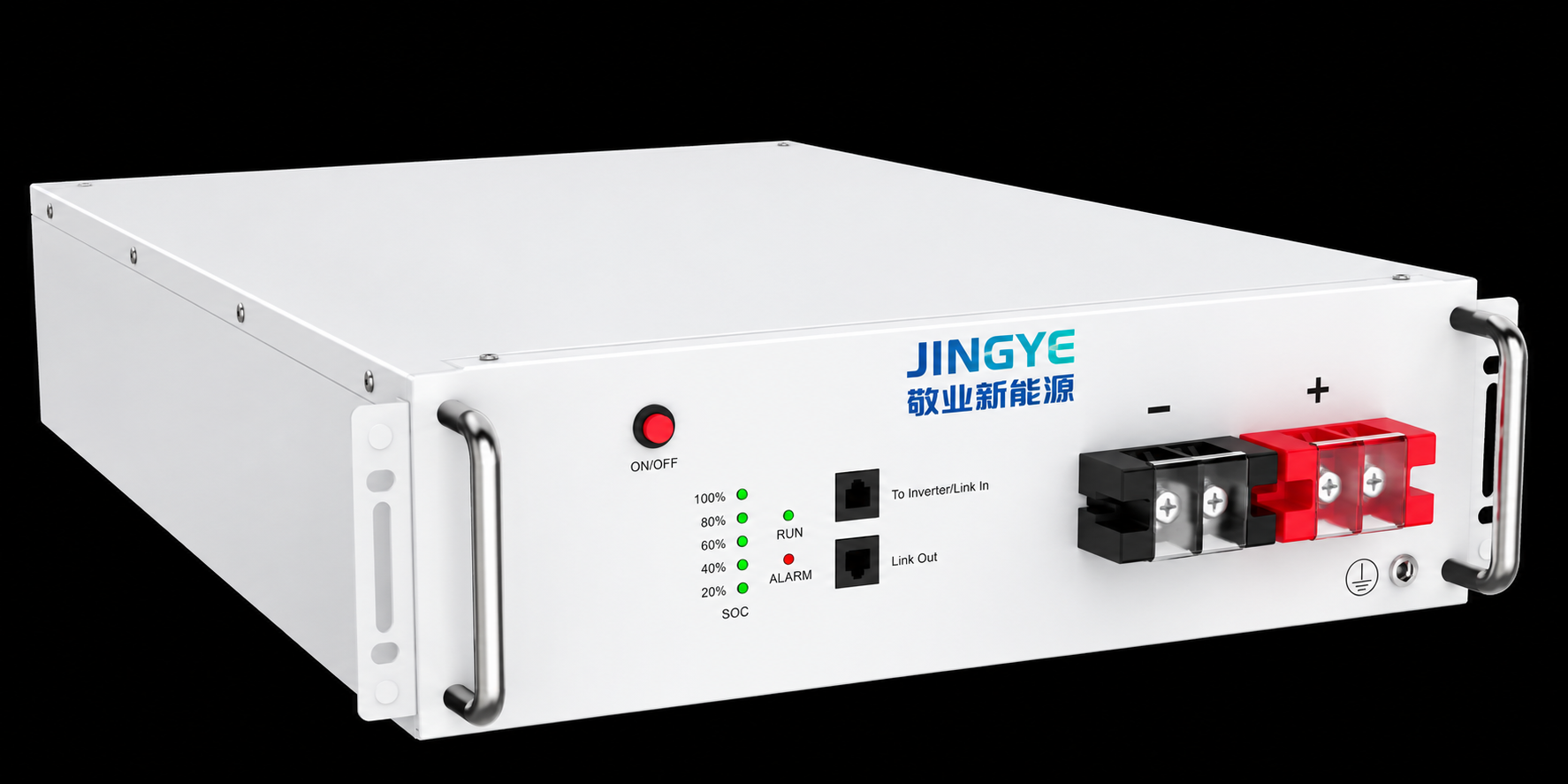
A battery energy storage system (BESS) can supply part of the charging load during a demand peak. The grid then sees a lower net power draw.
The operating sequence is generally:
Consider a site with a 500 kW grid limit and a temporary charging requirement of 700 kW. A battery could theoretically supply the additional 200 kW, subject to battery power rating, state of charge, efficiency, thermal conditions, and inverter limitations.
Battery storage should be sized using both:
A 200 kW battery inverter can support a 200 kW peak reduction, but the battery’s usable kWh determines how long it can sustain that reduction.
Jingye’s integrated approach as a DC Fast EV Charger Manufacturer can combine DC chargers, BESS, photovoltaic generation, and an EMS into a coordinated microgrid architecture. This can help businesses avoid immediate utility upgrades where local regulations and interconnection conditions permit.
Solar photovoltaic (PV) generation can offset grid electricity during daylight hours. However, solar output varies with weather, season, and time of day.
A coordinated EMS can:
Solar energy is most useful when vehicle demand overlaps with solar production. At fleet depots, overnight charging may require storage or grid power because solar generation is unavailable.
EV batteries do not charge at a constant power level throughout the entire session. During the constant-current phase, power may remain relatively high. As the battery approaches a higher state of charge, the vehicle often enters a constant-voltage phase and charging power decreases.
This charging behavior affects peak demand calculations. A charger rated at 180 kW may not deliver 180 kW for the entire session.
A reliable power-management system should use:
This improves power allocation and reduces unnecessary throttling.
Businesses can implement How EV Charging Stations Manage Peak Electricity Demand using the following operating workflow.
Check:
DC fast charging installations should be engineered according to applicable regulations, such as NEC Article 625 in the United States and relevant regional electrical installation requirements.
Decide whether the primary goal is:
A public highway station may prioritize fast customer service, while a logistics depot may prioritize vehicle readiness at a scheduled departure time.
Set:
The EMS should retain historical data so operators can compare actual performance against the planned load profile.
Use a staged commissioning plan:
A professional commissioning report should document measured voltage, current, power factor, temperature, communication status, and control response time.
Peak-demand management must not compromise electrical safety or charger reliability. Depending on the market, project owners may require compliance with standards and certifications including:
For manufacturing quality, incoming components, PCB assemblies, power modules, cables, connectors, and enclosures should be controlled through documented inspection procedures. Where materials or coatings are specified, applicable ASTM or DIN test methods may be used for corrosion resistance, dimensional verification, and mechanical performance.
A qualified DC Fast EV Charger Manufacturer should also provide:
For high-volume projects, buyers may request 100% functional inspection, traceability records, calibration certificates, and a 24-hour technical response process.
A facility’s HVAC, refrigeration, or manufacturing load may rise while vehicles are charging.
Solution: Use a real-time meter at the point of common coupling and configure the EMS to reduce charging power automatically when the building load increases.
Public users may expect the charger to deliver its maximum advertised output.
Solution: Use transparent pricing, display estimated charging time, and prioritize vehicles according to departure deadlines. Avoid reducing power more than necessary.
A lost connection between the charger, EMS, and backend can prevent coordinated control.
Solution: Configure local fallback limits inside the charger. The site should remain within a safe power boundary even if cloud connectivity is interrupted.
Frequent high-power cycling can increase battery degradation and maintenance requirements.
Solution: Set a suitable state-of-charge window, avoid unnecessary cycling, monitor battery temperature, and use manufacturer-recommended operating limits.
A charger system may be oversized for the available transformer or undersized for the fleet’s schedule.
Solution: Model hourly vehicle demand before procurement. Compare charger power, energy requirements, departure deadlines, and future expansion plans rather than selecting equipment only by nameplate kW.
The following tools can make peak-demand control more measurable and repeatable:
I also recommend maintaining a monthly KPI report with:
| KPI | Recommended review |
|---|---|
| Monthly peak demand | Compare with previous billing period |
| Average charger utilization | Review by charger and hour |
| Energy delivered per session | Segment by vehicle type |
| Demand-charge cost | Track in currency per month |
| Charger uptime | Target based on service agreement |
| Peak-shaving contribution | Measure grid kW reduction |
| Battery round-trip efficiency | Review under actual operation |
| Failed or interrupted sessions | Identify root causes |
Jingye approaches EV charging as an integrated power-management project. As a DC Fast EV Charger Manufacturer, we focus on the interaction between charger output, electrical infrastructure, energy storage, renewable generation, and software control.
When evaluating a supplier, I recommend asking for:
The best solution is not always the charger with the highest rated output. It is the system that delivers the required vehicle energy while keeping grid demand, operating cost, and infrastructure stress under control.
To apply How EV Charging Stations Manage Peak Electricity Demand at your site, start with these five actions:
With the right EMS configuration, power-sharing strategy, and infrastructure design, businesses can reduce demand charges without sacrificing charging availability. Jingye can help operators move from basic charger installation to a coordinated energy system designed for reliable, scalable, and efficient commercial EV charging.
Oct. 09, 2026
India's 50 GWh BESS Plan (GEC-III): What It Means for Battery Storage Buyers in 2026
India's Green Energy Corridor Phase III sets aside ₹50,000 crore for 50 GWh of battery storage by FY2032-33, about ₹10,000 per kWh. Here's what that budget, rising tender tariffs and the 20% local-content rule mean for developers choosing a BESS supplier.
Oct. 09, 2026
EV Charger Load Management for Commercial Charging Stations
Commercial charging sites often face high electricity bills, limited grid capacity, and slow charging during busy periods. Dynamic load balancing helps distribute available power between several chargers without exceeding the site's electrical limit. This guide explains EV charger load management in clear steps for fleet operators, property owners, and overseas EV charging distributors. Smart
Oct. 09, 2026
Battery Storage for Commercial Buildings: Key Applications
Commercial buildings face high electricity bills, power interruptions, solar energy waste, and limited grid capacity. Commercial battery storage supports peak shaving, demand charge management, and load shifting in one energy system. The best battery storage project matches the building's load profile, tariff rules, safety needs, and backup power goals.
Let’s Get Started on Your New Energy Journey.