How Do PCS and EMS Work with a 261kWh Battery System?

Home > BLOG > How Do PCS and EMS Work with a 261kWh Battery System?

How Do PCS and EMS Work with a 261kWh Battery System?

Jun 16, 2026

How Do PCS and EMS Work with a 261kWh Battery System?

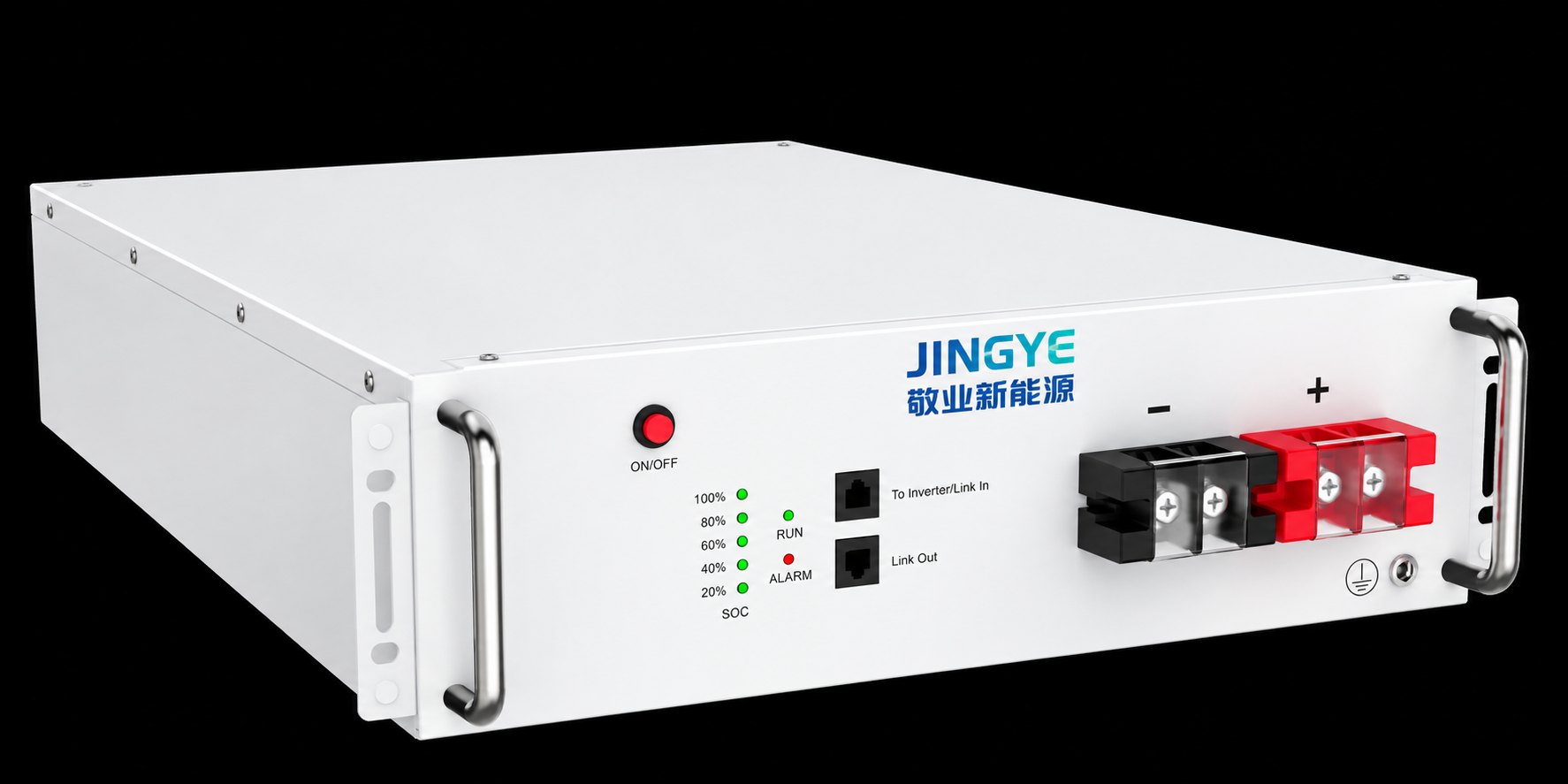
Many users struggle with the complexities of energy management systems (EMS) and power conditioning systems (PCS), particularly when integrating these technologies with a 261kWh battery system like the one offered by Jingye. Users often seek clarity on how to optimize their energy consumption, reduce costs, and enhance energy efficiency. Additionally, real-world scenarios depict frequent challenges, from inadequate energy storage to suboptimal solar energy utilization, making a robust understanding of these systems essential. Addressing these pain points involves understanding the operational mechanics of PCS and EMS, making informed decisions about energy storage solutions, and implementing systems that align with user needs.

Required Preparation for Implementing a 261KWH Energy Storage System

Before diving into the installation and operational processes, users need to prepare adequately. This includes:

  1. Assess Your Energy Needs: Understand your daily power consumption in kilowatt-hours (kWh) and the peak demand periods.
  2. Identify the Equipment: Ensure you have the required components such as the Jingye 261kWh battery, inverter, and installation tools.
  3. Consult Professionals: Engage with a certified energy technician to evaluate your site and needs effectively.

Step-by-Step Guidance for Efficient Usage

Implementing and utilizing the Jingye 261kWh battery system effectively requires following structured steps:
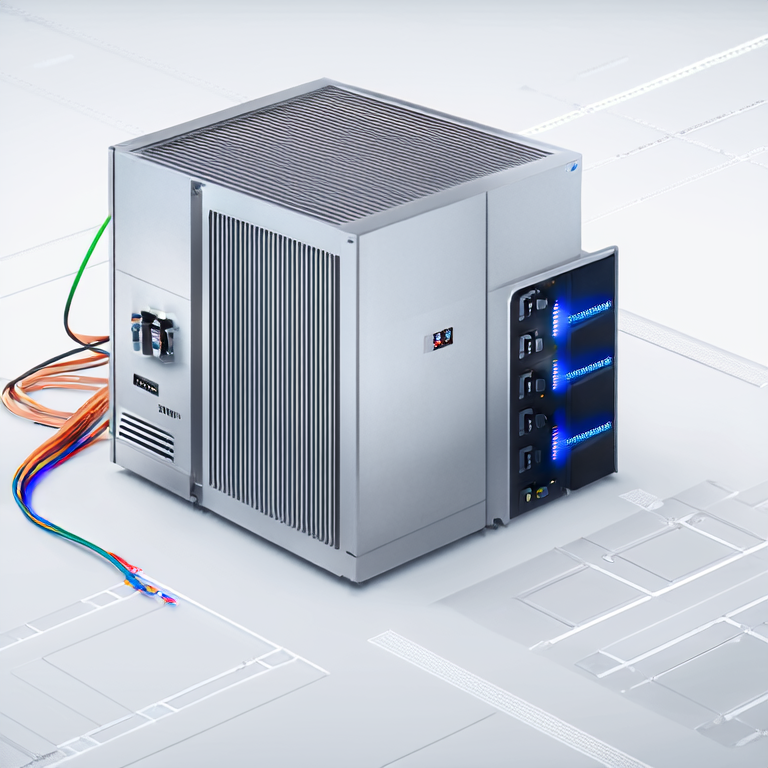
  1. Step 1: Site Assessment - Engage a professional to survey your location. Ensure it can support the physical and electrical demands of the 261kWh system.
  2. Step 2: Installation of PCS - Install the power conditioning system next to your energy source, ensuring it is compatible with the Jingye battery system. Verify that the installation meets local codes and standards.
  3. Step 3: Connect the Energy Management System - Integrate the EMS with the PCS to optimize energy use and storage. This system will monitor energy generation from solar panels, control battery charging, and manage load distribution.
  4. Step 4: Configure Settings - Set the parameters for battery charge/discharge cycles, peak shaving, and energy backup to suit your energy goals. For instance, configure your system to reserve 40% battery capacity for backup to prevent disruptions during outages.
  5. Step 5: Testing the System - Conduct initial tests to ensure that the PCS and EMS interact seamlessly with the 261kWh storage unit. Measure performance metrics such as charge times (ideally aiming for full charge in under 3 hours) and load capacities.
  6. Step 6: Regular Monitoring and Upkeep - Establish a schedule for regular system checks to ensure optimal performance. Use the EMS interface to analyze data on energy consumption and storage, adjusting your settings as needed based on usage patterns.
How Do PCS and EMS Work with a 261kWh Battery System?

Common Errors and Solutions

While implementing a 261kWh energy storage system, users may encounter several common issues. Here are some troubleshooting tips:

  • Incorrect Settings: Users sometimes forget to calibrate their EMS settings. Solution: Regularly review and adjust the settings to align with actual energy consumption patterns.
  • Incompatible Equipment: Using subpar components can hinder performance. Solution: Always opt for high-quality equipment like the Jingye components, ensuring compatibility and durability.
  • Insufficient Battery Capacity: Users occasionally underestimate their energy needs. Solution: Reassess your energy consumption; it might be worthwhile to upgrade to a larger system or add additional batteries.

Summary and Suggestions

Understanding how PCS and EMS work with the Jingye 261kWh battery system can significantly enhance energy management and cost efficiency for users. By following the outlined preparation and implementation steps, users can tackle their energy challenges effectively. It's strongly recommended to continually monitor the system’s performance and be open to adjustments as energy demands evolve.

FAQ

Q1: What is the optimal charge time for the Jingye 261kWh battery?
A: The optimal charge time is under 3 hours, ensuring rapid readiness for use.

Q2: Can I integrate my solar panels with the Jingye system?
A: Yes, integrating solar panels is recommended to increase sustainability and reduce reliance on grid power.

Q3: What kind of maintenance does a 261kWh battery system require?
A: Regular system checks, cleaning connections, and software updates ensure everything operates smoothly.

LATEST BLOGS

  • What Technical Parameters Matter for a 261kWh Energy Storage System?

    Jun. 17, 2026

    What Technical Parameters Matter for a 261kWh Energy Storage System?

    In today’s energy-dependent world, efficient power storage solutions are more critical than ever. The emergence of the 261KWH Energy Storage System, particularly the C&L Energy Storage Cabinet, addresses the pressing need for robust and reliable energy management. Users often face scenarios of power shortages, soaring electricity bills, and unreliable energy sources—all of which can

  • Best Energy Storage Cabinets Guide

    Jun. 16, 2026

    Best Energy Storage Cabinets Guide

    As renewable energy adoption continues to accelerate worldwide, businesses, utilities, factories, and commercial facilities are increasingly investing in energy storage cabinets to improve energy efficiency, reduce electricity costs, and enhance power reliability.

  • How Do PCS and EMS Work with a 261kWh Battery System?

    Jun. 16, 2026

    How Do PCS and EMS Work with a 261kWh Battery System?

    Many users struggle with the complexities of energy management systems (EMS) and power conditioning systems (PCS), particularly when integrating these technologies with a 261kWh battery system like the one offered by Jingye. Users often seek clarity on how to optimize their energy consumption, reduce costs, and enhance energy efficiency. Additionally, real-world scenarios depict frequent

Let’s Get Started on Your New Energy Journey.

Copyright @Hebei Jingye New Energy Technology Co., Ltd. All Rights Reserved |

+86 0311 6736 8615

+86 150 3207 1231