Aug 03, 2026
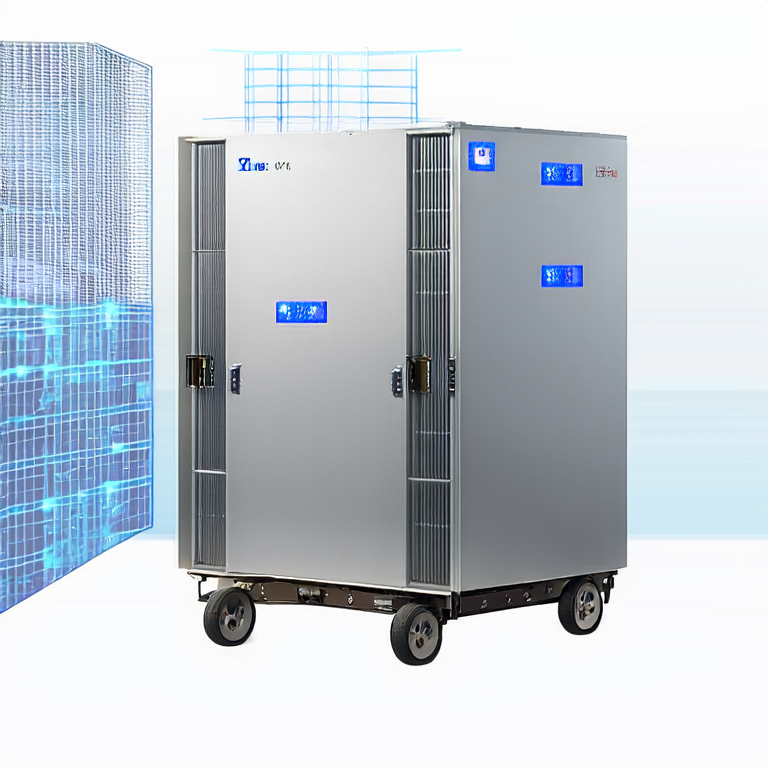
Microgrid systems play a crucial role in modern energy management, especially for industries and communities transitioning to renewable energy. When it comes to effectively storing and utilizing this energy, 261kWh battery systems, such as the C&l Energy Storage Cabinet, stand out in resolving common issues like energy volatility, sustainability, and reliability. Users often struggle with fluctuating energy costs and intermittent supply due to heavy reliance on traditional grids. By leveraging advanced battery technologies, communities can ensure a consistent energy flow while minimizing dependency on fossil fuels.
Many users face significant challenges with energy stability. For instance, small business owners report worrying about high demand charges resulting in spikes of up to 150% on their electricity bills, especially during peak hours. The root of their frustration often stems from the inability to store excess energy during low-demand periods and utilize it when needed. A 261KWH Energy Storage System provides a strategic solution to these problems by ensuring a consistent supply of power, allowing for smoother operation of microgrids.
To implement a 261kWh energy storage system effectively, a few essential preparations are necessary:
Follow these actionable steps to successfully implement your energy storage solution:
When implementing 261kWh energy storage systems, it’s crucial to be aware of common pitfalls:
By addressing user challenges through the implementation of a 261kWh energy storage system, microgrids can dramatically enhance energy reliability and affordability. Real-life cases, such as a community in California that successfully reduced their energy costs by 30% within six months of adopting a battery storage system, clearly indicate the potential benefits. It's recommended to start with a comprehensive assessment of your energy needs, followed by careful planning and professional installation. Embrace energy independence and reap the long-term savings and environmental benefits!
A microgrid is a localized power grid that can operate independently or in conjunction with the main electrical grid, integrating various energy sources, including renewables.
The charging time for a 261kWh battery system can vary, but on average it can reach 78% charge in just 30 minutes, depending on the power source.
Maintenance costs are generally low, especially when compared to the rising expenses tied to traditional energy solutions. Regular check-ups help reduce long-term costs and downtime.
Oct. 22, 2026
EV Charger Preventive Maintenance: Key Practices for Long-Term Reliability
EV charger preventive maintenance helps charging operators protect uptime, safety, and revenue over many years. A planned service program is more reliable than waiting for a fault after a vehicle cannot charge. This guide explains DC fast charger maintenance, EV charging station inspection, and charging cable inspection in simple steps.
Oct. 20, 2026
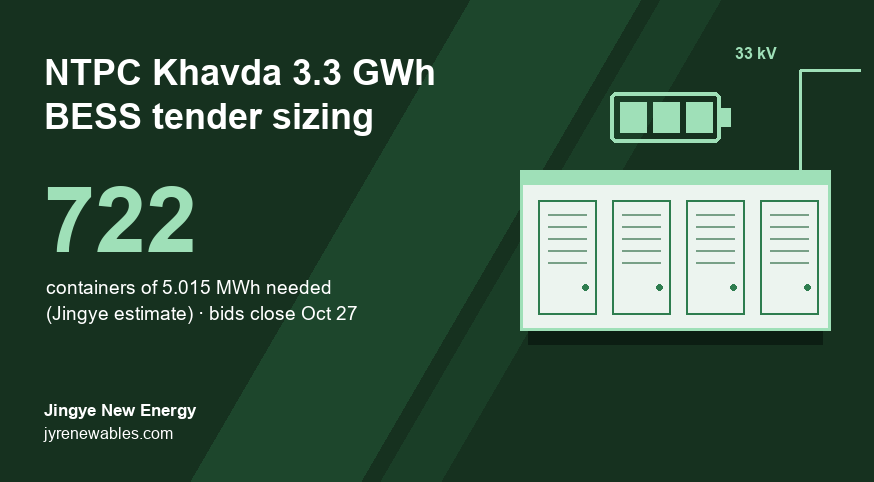
NTPC Khavda 3,300 MWh BESS Tender: How Many Containers You Really Need (2026)
NTPC Green Energy's 1,100 MW / 3,300 MWh Khavda battery tender closes on October 27, 2026. Because capacity is counted as AC energy at the grid point, we estimate it needs about 722 containers of 5.015 MWh, roughly 10% more installed battery than the headline figure.
Oct. 20, 2026
Battery Energy Storage System Architecture: Key Components Explained
A battery energy storage system architecture determines how safely and efficiently a BESS stores, controls, and delivers electricity. The main challenge for overseas buyers is choosing the right structure without creating avoidable cost, safety, or integration problems.
Let’s Get Started on Your New Energy Journey.