Aug 04, 2026
The 261KWH Energy Storage System is increasingly popular in factories today. Many businesses face energy challenges, such as high costs and unreliable power supply. The need for efficient energy solutions is more critical than ever. A 261kWh LFP (Lithium Iron Phosphate) Energy Storage System can address these issues effectively. It provides a reliable backup, reduces electricity bills, and supports sustainability. How can factories benefit from this technology?
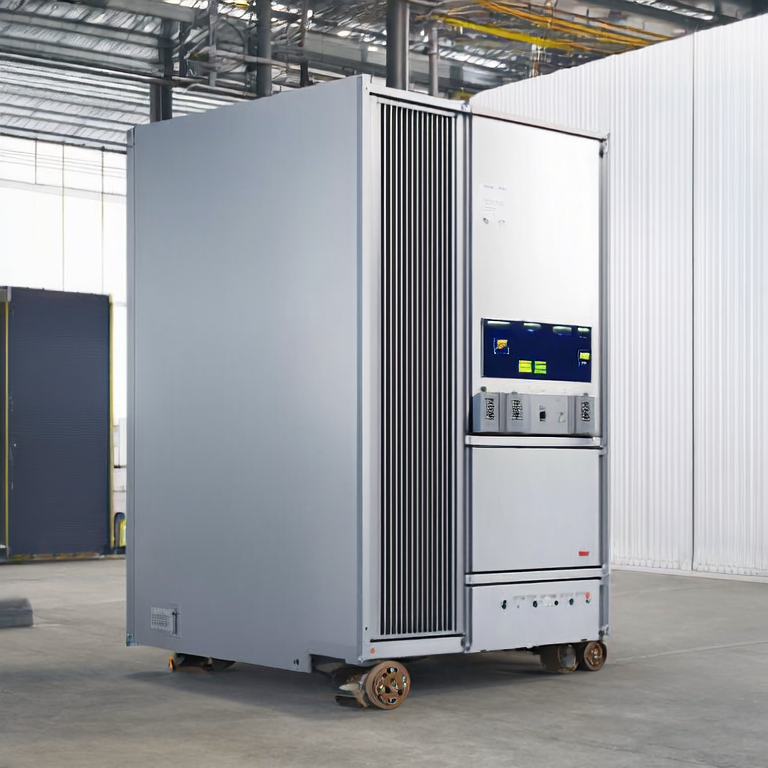
Yes, factories can use a 261kWh LFP Energy Storage System to optimize their energy use, lower costs, and increase efficiency.
Factories can save on energy costs with a 261kWh LFP Energy Storage System. By storing energy during off-peak hours, factories can avoid high charges during peak demand times.
In the event of a power outage, this energy storage system provides backup power. Factories can continue operations without interruptions, reducing downtime.
Using renewable energy sources along with an energy storage system reduces carbon emissions. Factories show a commitment to sustainability by adopting this technology.
Factories can manage energy loads more effectively. A 261kWh Energy Storage System helps balance the energy supply and demand, improving overall efficiency.
This system works well with solar and wind energy. Factories can maximize the use of renewable energy, further decreasing costs and environmental impact.
A 261kWh system is scalable and can grow with the factory's energy needs. It offers flexibility to adapt to changing production requirements.
While the 261kWh LFP system can save money in the long run, the initial cost may be high for some factories. Careful budgeting and planning are necessary.
Factories need adequate space for installation. The physical footprint of the storage system should be considered in planning.
Regular maintenance is crucial for optimal performance. Factories should assess their capability to manage and maintain the system or consider external support.
| Energy Storage System | Capacity (kWh) | Cost ($) | Backup Duration (hrs) | Integration with Renewable Energy |
|---|---|---|---|---|
| 261kWh LFP | 261 | Variable | Up to 8 | Yes |
| 150kWh Lead-Acid | 150 | Lower | Up to 4 | Limited |
| 500kWh Li-ion | 500 | Higher | Up to 12 | Yes |
In summary, a 261kWh Energy Storage System is an effective solution for factories. It provides cost savings, reliable backup power, and supports sustainability efforts. Implementing this technology can enhance a factory's energy management and operational efficiency.
For factory use, take a look at our 261kWh & 417kWh C&I energy storage cabinets.
1. What types of factories can use a 261kWh LFP Energy Storage System?
Any factory that needs energy storage can benefit, especially those with fluctuating energy demands.
2. What is the lifespan of a 261kWh LFP Energy Storage System?
Typically, LFP batteries have a lifespan of 10-15 years, depending on usage and maintenance.
3. Is it difficult to install a 261kWh Energy Storage System?
Installation requires professional assistance but is generally straightforward for experienced technicians.
4. Can this system reduce peak demand charges?
Yes, by storing energy during off-peak times, factories can draw from the system during peak demand, thereby reducing charges.
5. What is the role of Jingye in energy storage?
Jingye provides high-quality energy storage solutions, including the 261kWh LFP Energy Storage System.
6. How is the system maintained?
Maintenance includes monitoring battery health, ensuring proper ventilation, and occasional technical servicing by professionals.
Learn how the 261kWh LFP battery energy storage system is built and what it does.
Oct. 22, 2026
EV Charger Preventive Maintenance: Key Practices for Long-Term Reliability
EV charger preventive maintenance helps charging operators protect uptime, safety, and revenue over many years. A planned service program is more reliable than waiting for a fault after a vehicle cannot charge. This guide explains DC fast charger maintenance, EV charging station inspection, and charging cable inspection in simple steps.
Oct. 20, 2026
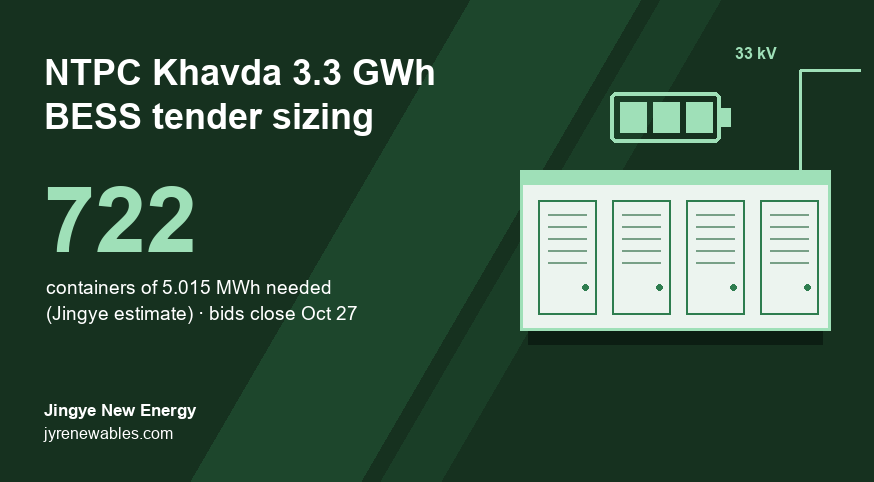
NTPC Khavda 3,300 MWh BESS Tender: How Many Containers You Really Need (2026)
NTPC Green Energy's 1,100 MW / 3,300 MWh Khavda battery tender closes on October 27, 2026. Because capacity is counted as AC energy at the grid point, we estimate it needs about 722 containers of 5.015 MWh, roughly 10% more installed battery than the headline figure.
Oct. 20, 2026
Battery Energy Storage System Architecture: Key Components Explained
A battery energy storage system architecture determines how safely and efficiently a BESS stores, controls, and delivers electricity. The main challenge for overseas buyers is choosing the right structure without creating avoidable cost, safety, or integration problems.
Let’s Get Started on Your New Energy Journey.