Mar 20, 2026
Energy storage design, particularly for Battery Energy Storage Systems (BESS), involves integrating battery modules, inverters (PCS), management systems (BMS/EMS), and safety systems for efficient energy storage and dispatch. Key design steps include assessing load requirements, determining capacity (KWH) and power rating (KW), selecting battery technology (e.g., Lithium-ion), and optimizing thermal management to meet safety standards.
Battery Cells/Modules: Individual cells are arranged into modules, then strings, and finally racks to achieve desired DC voltage and storage capacity.
Power Conversion System (PCS): A 4-quadrant inverter that converts DC power from batteries to AC for grid or facility use, handling capacity and power rating demands.
Battery Management System (BMS): Ensures safety by monitoring cell voltages, temperatures, and balancing charge levels to optimize performance.
Energy Management System (EMS): Acts as the "brain" of the system, controlling energy flow, charging strategies, and interfacing with external grid controllers.
Thermal Management System: Keeps batteries within optimal temperature ranges, using cooling or heating to prevent thermal runaway.
Safety Systems: Includes fire detection, suppression, ventilation, and emergency shutdown mechanisms.
Energy Capacity & Power Output: Sizing based on daily consumption, peak loads, and required discharge duration.
Safety and Compliance: Implementing strict fire suppression and ventilation, especially in high-density installations.
System Efficiency: Ensuring high round-trip efficiency by choosing appropriate components.
Scalability: Utilizing modular designs that allow for future capacity increases.
Environmental Factors: Operating temperature limits and location considerations for cooling efficiency.
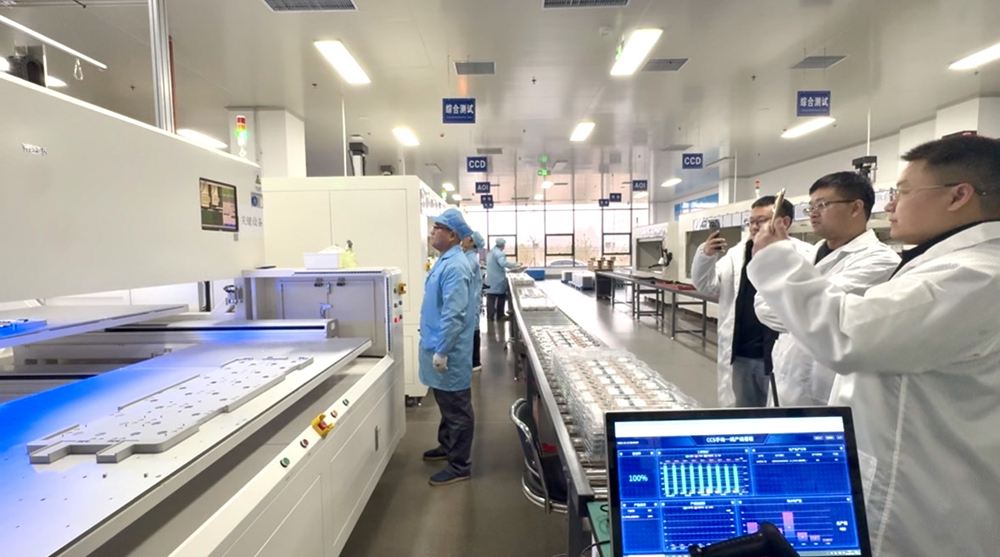
Based on the preliminary needs confirmed by the customer, JINGYE New Energy sets up a special scheme design team consisting of professionals in electrical design, structural design, thermal management, CCS R&D, cost accounting, and other fields. Combining the enterprise's large-scale production process standards and supply chain advantages, a comprehensive technical scheme is formulated.
During the solution output phase, detailed 3D engineering drawings, a bill of materials (including core component brands, specifications, and supply cycles), technical parameter specifications, and a cost quotation are provided, allowing customers to intuitively understand the scheme details and performance.
Sep. 22, 2026
Why EV Charger Efficiency Matters for Commercial Charging Operations
A commercial charging site can lose thousands of dollars each year through inefficiency long before an operator notices a hardware failure. When a DC fast EV charger converts grid electricity into battery power, energy is lost as heat, switching loss, cable loss, cooling demand, and standby consumption. A charger operating at 94% efficiency instead of 97% may appear to differ by only three
Sep. 22, 2026
EV Charging Infrastructure for Electric Bus Fleets
EV Charging Infrastructure for Electric Bus Fleets must deliver reliable power, safe operation, and predictable charging costs every day. An electric bus depot needs enough charging capacity to serve vehicles without delaying routes. Depot charging, battery management systems, and fleet scheduling are now central parts of daily bus operations. Electric bus fleets also require accurate energy
Sep. 21, 2026
BESS Commissioning: Key Tests Before Commercial Operation
BESS commissioning confirms that a battery energy storage system is safe, reliable, and ready for commercial operation. A complete battery commissioning test checks the battery management system, power conversion system, and site controls before the asset serves the grid. Poor testing can cause failed grid connection tests, low round trip efficiency, unexpected shutdowns, or unsafe operating
Let’s Get Started on Your New Energy Journey.