Mar 20, 2026
Custom energy storage manufacturing provides tailored battery energy storage systems (BESS) for industrial, commercial, and utility applications. Key services include custom battery design, cell testing, BMS development, and containerized steel enclosure fabrication. Solutions focus on high reliability, safety certifications, and energy optimization.
Design & Engineering: Development of custom battery packs (LiFePO4) and management systems (BMS) for specific power, energy, and temperature requirements. Current systems include single cabinets with capacities from 261 kWh to 417 kWh, as well as large containerized solutions up to 5 MWh.
System Integration & Fabrication: Turnkey manufacturing of containerized BESS, including:
Single energy storage cabinets for commercial/industrial applications: 261 kWh, 417 kWh
Multi-megawatt containerized energy storage systems: up to 5 MWh, suitable for utility-scale and microgrid applications
Safety & Compliance: Custom manufacturing designed to meet stringent international and regional safety standards. Systems are engineered for high safety, reliability, and compliance, incorporating UL certifications and best practices in thermal management and electrical protection.
Component Customization: Specialized components such as precision-engineered gaskets, seals, and modular frames for protection against dust, moisture, and other contaminants, ensuring long-term durability in high-performance battery packs.
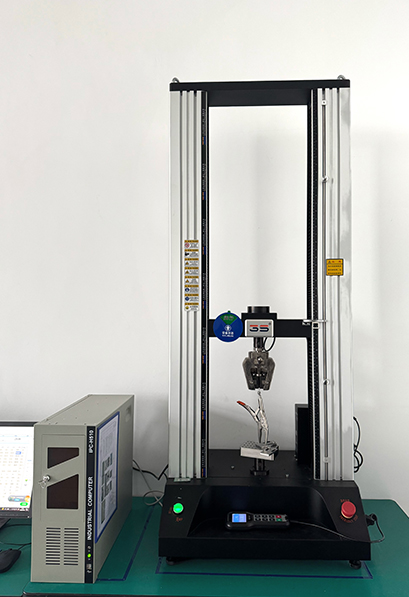
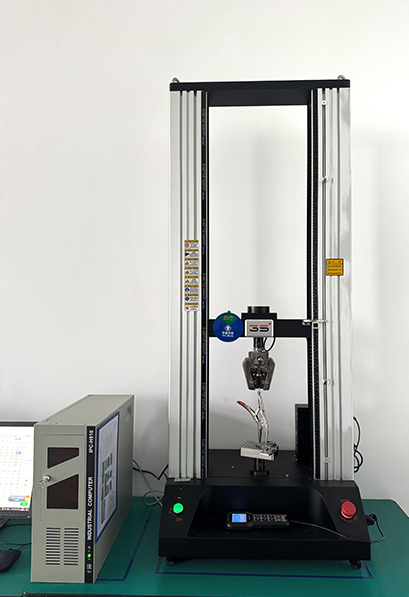
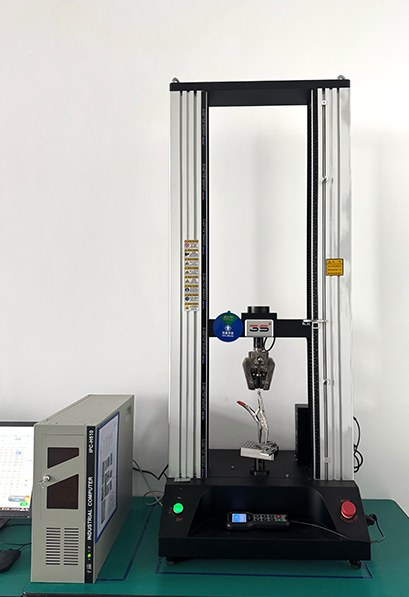
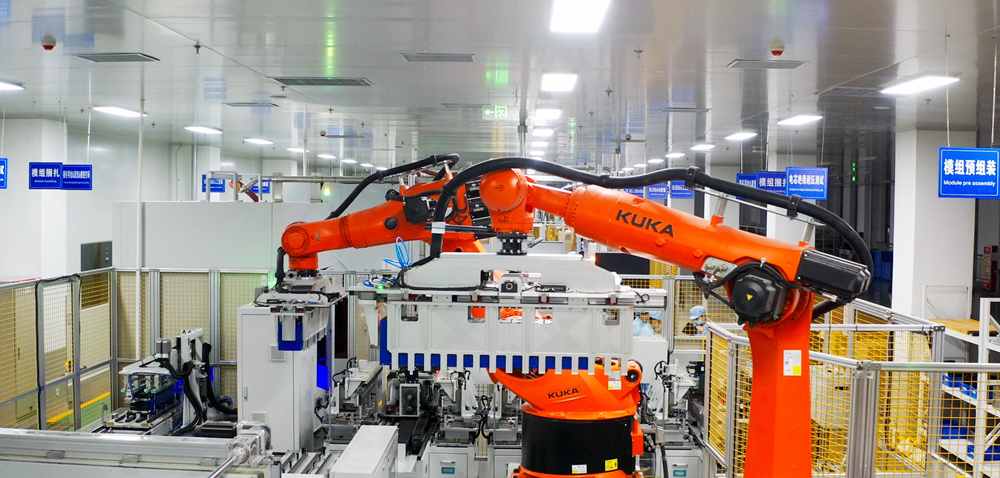
During the production and manufacturing phase, strict adherence to the quality management system and IATF16949 automotive industry quality management system standards is maintained, and high-precision manufacturing is achieved relying on intelligent production equipment. In the cell production link, robotic arms are used for automatic loading. The cell serial number is scanned, and the cell voltage, internal resistance, and other values are calculated through cell thickness measurement to ensure cell consistency. Module assembly adopts robotic arm-assisted extrusion, welding, and other processes to improve assembly precision and efficiency. During the integration phase, the connection between the BMS and the battery pack, shell encapsulation, and other processes are completed in accordance with the design drawings, and real-time collection and traceability of production data are realized throughout the process. The testing phase has established a "three-level testing system" to ensure product quality: the first level is incoming inspection of components, where comprehensive testing is conducted on purchased cells, components, structural parts, etc., and unqualified products are resolutely rejected; the second level is in-process production testing, where module performance testing (capacity, voltage consistency, communication function) is carried out after module assembly, and phased electrical testing and sealing testing are performed during system integration; the third level is factory system integration testing, covering full-item PACK function testing (status monitoring, charge-discharge control, protection function, communication protocol adaptation), safety testing (insulation resistance, voltage withstand testing, short-circuit protection testing), environmental adaptability testing (high-low temperature cycling, damp-heat testing, vibration and impact testing), endurance/energy storage performance testing, etc. Meanwhile, additional testing by third-party authoritative testing institutions is supported according to customer requirements. Only after passing the test and issuing a detailed test report can the product be warehoused for shipment.
Sep. 22, 2026
Why EV Charger Efficiency Matters for Commercial Charging Operations
A commercial charging site can lose thousands of dollars each year through inefficiency long before an operator notices a hardware failure. When a DC fast EV charger converts grid electricity into battery power, energy is lost as heat, switching loss, cable loss, cooling demand, and standby consumption. A charger operating at 94% efficiency instead of 97% may appear to differ by only three
Sep. 22, 2026
EV Charging Infrastructure for Electric Bus Fleets
EV Charging Infrastructure for Electric Bus Fleets must deliver reliable power, safe operation, and predictable charging costs every day. An electric bus depot needs enough charging capacity to serve vehicles without delaying routes. Depot charging, battery management systems, and fleet scheduling are now central parts of daily bus operations. Electric bus fleets also require accurate energy
Sep. 21, 2026
BESS Commissioning: Key Tests Before Commercial Operation
BESS commissioning confirms that a battery energy storage system is safe, reliable, and ready for commercial operation. A complete battery commissioning test checks the battery management system, power conversion system, and site controls before the asset serves the grid. Poor testing can cause failed grid connection tests, low round trip efficiency, unexpected shutdowns, or unsafe operating
Let’s Get Started on Your New Energy Journey.