Mar 20, 2026
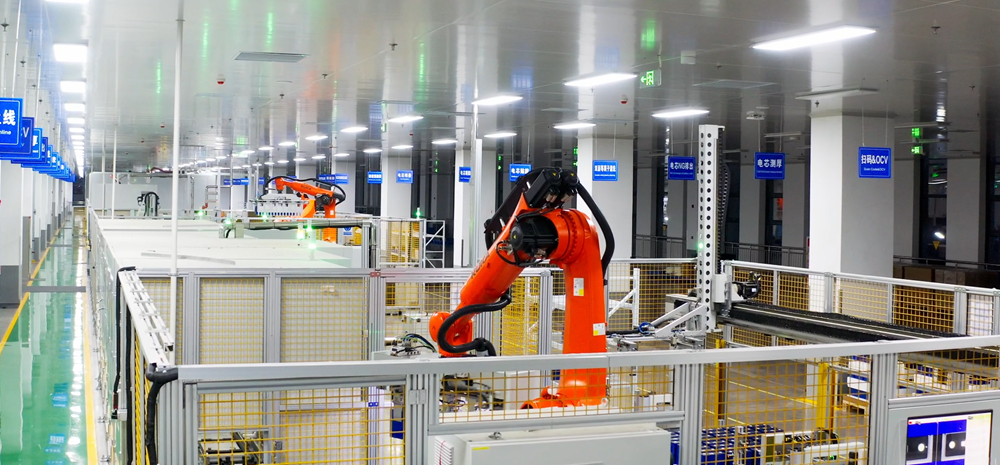
After the scheme is confirmed, the detailed engineering design phase commences. Relying on a digital design platform, JINGYE New Energy coordinates multi-professional teams to complete detailed structural design, ensuring that the design documents comply with ISO standards and the enterprise's large-scale production process requirements. In terms of production preparation, relying on the enterprise's sound supply chain system (strategic partners for core components cover world-renowned brands, and it has its own production bases for some key materials), the customized material procurement process is initiated, a special material accounting book is established, and the procurement progress is tracked in real time to ensure controllable material quality and supply cycles. The production planning department formulates a detailed production schedule in combination with the capacity layout of the enterprise's intelligent production workshops (equipped with multiple module production lines and system integration lines, with an annual capacity reaching the GWh level). It clarifies the time nodes and responsible persons for each link such as raw material warehousing, module assembly, and system integration, reserves sufficient testing and adjustment time, and simultaneously completes pre-work such as production equipment commissioning, tooling fixture preparation, and production personnel training to ensure the smooth start of production.
System Design & Layout: Developing optimized layouts, selecting technology (e.g., Lithium-ion, flow batteries), and engineering power systems for optimal performance.
Thermal Management: Implementing crucial cooling and heating solutions (CFD modeling, HVAC selection) to maintain battery health and safety.
Permitting & Compliance: Preparing construction-ready documents (IFC) and securing permits to ensure compliance with local regulations and safety standards.
Grid Interconnection & Studies: Conducting power engineering studies to connect storage systems securely to the grid.
Cost & Performance Analysis: Assessing capital (CAPEX) and operational (OPEX) expenditures to ensure economic viability.
Site Evaluation: Analyzing location constraints and requirements for installation.
Technology Selection: Evaluating storage types (compressed air, thermal, electrochemical) based on project needs, such as energy density and efficiency.
Safety & Optimization: Developing fire mitigation strategies and energy management systems (SCADA) to maximize performance and safety.
Expert services range from early-stage advisory and technical due diligence to full-cycle engineering, procurement, and construction (EPC) support.
Sep. 22, 2026
Why EV Charger Efficiency Matters for Commercial Charging Operations
A commercial charging site can lose thousands of dollars each year through inefficiency long before an operator notices a hardware failure. When a DC fast EV charger converts grid electricity into battery power, energy is lost as heat, switching loss, cable loss, cooling demand, and standby consumption. A charger operating at 94% efficiency instead of 97% may appear to differ by only three
Sep. 22, 2026
EV Charging Infrastructure for Electric Bus Fleets
EV Charging Infrastructure for Electric Bus Fleets must deliver reliable power, safe operation, and predictable charging costs every day. An electric bus depot needs enough charging capacity to serve vehicles without delaying routes. Depot charging, battery management systems, and fleet scheduling are now central parts of daily bus operations. Electric bus fleets also require accurate energy
Sep. 21, 2026
BESS Commissioning: Key Tests Before Commercial Operation
BESS commissioning confirms that a battery energy storage system is safe, reliable, and ready for commercial operation. A complete battery commissioning test checks the battery management system, power conversion system, and site controls before the asset serves the grid. Poor testing can cause failed grid connection tests, low round trip efficiency, unexpected shutdowns, or unsafe operating
Let’s Get Started on Your New Energy Journey.