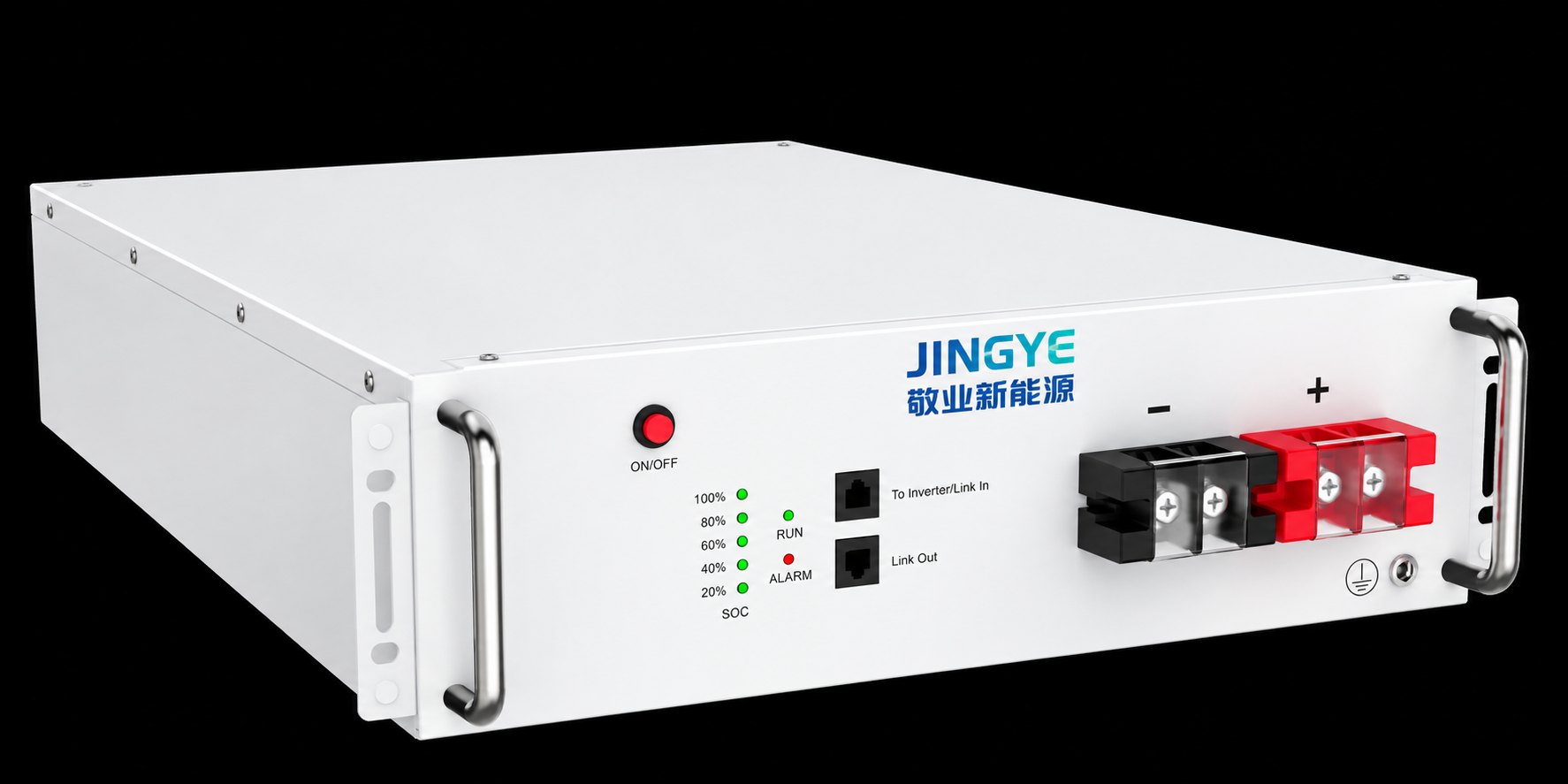
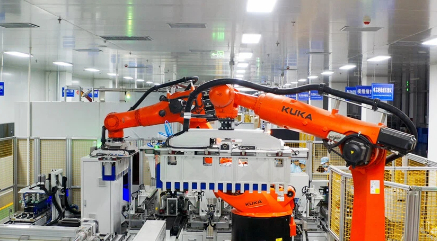
Cell Contact System
CCS (Cell Contact System) is a core component of the Battery Management System (BMS). By integrating signal acquisition elements, plastic structural parts, and copper-aluminum busbars, it can sample the voltage and temperature of the cells and complete high-voltage series and parallel connections, thereby improving the battery's space utilization and driving range.
1. Connects single cells according to design requirements to form the desired system voltage and capacity. Supports system voltages up to 1,000 V DC and current up to 500 A per busbar, enabling flexible series and parallel configurations for large-scale battery modules.
2. Monitors each cell’s voltage and temperature, transmitting data to the BMS for performance optimization and safety monitoring. Voltage measurement accuracy reaches ±5 mV per cell, temperature accuracy ±1 °C, with a sampling rate of 1 Hz to 10 Hz for fast response to abnormal conditions.
3. Integrated busbar design lowers resistive losses compared to traditional wiring harnesses. Typical resistance reduction reaches 30–50 mΩ per module, improving overall system efficiency by approximately 1–2% under high current operation.
4. Compact CCS structure improves internal layout efficiency within the battery pack. Reduces wiring volume by 20–30%, contributing to higher energy density within the same installation footprint.
5. Sealed and corrosion-resistant structures improve long-term operational stability. Rated to IP65 protection level, operating temperature range from -40°C to +85°C, with vibration resistance up to 5 g RMS (10–500 Hz) and cycle durability exceeding 3,000 cycles under standard conditions.
Module Assembly: Insert busbars and signal acquisition units into pre-defined cell slots.
Electrical Connection: Securely connect busbars to cell terminals using rivets, welding, or thermal pressing.
Signal Integration: Connect the signal acquisition lines to the BMS controller.
Mechanical Securing: Attach structural components to protect the CCS under vibration and thermal expansion.
Testing & Verification: Conduct continuity, insulation, and signal integrity tests before final assembly.
A Cell Contact System (CCS) is an integrated component that connects individual battery cells inside a battery pack. It combines busbars, signal acquisition wiring, and an insulating carrier into one module, replacing traditional manual wire harnesses. A well-made CCS improves battery pack safety, simplifies assembly, and reduces overall cost.
Jingye produces CCS using three processes: injection molding, thermoforming, and direct welding. The maximum product size is up to 2000×800mm, compatible with the latest liquid-cooled battery packs. Each can be customized to match your cell layout, voltage platform, and module dimensions.
Compared with wire harnesses, a CCS offers better sealing against humidity and corrosion, smaller size and lighter weight, faster assembly on the production line, and lower total cost in mass production.
Yes. We provide full OEM/ODM services — our engineering team designs the CCS according to your cell type, module structure, and communication requirements, then validates it in our CNAS-certified testing laboratory.
Send us your module drawings or basic requirements (cell type, cells in series/parallel, dimensions) and our team will respond with a design proposal and quotation
Join us and become a customer or partner
We always need your help to expand and develop our business. If you are interested in our products or are interested in becoming our partner, please click the button below and our team will contact you as soon as possible.
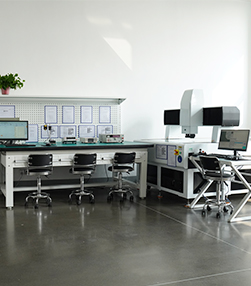

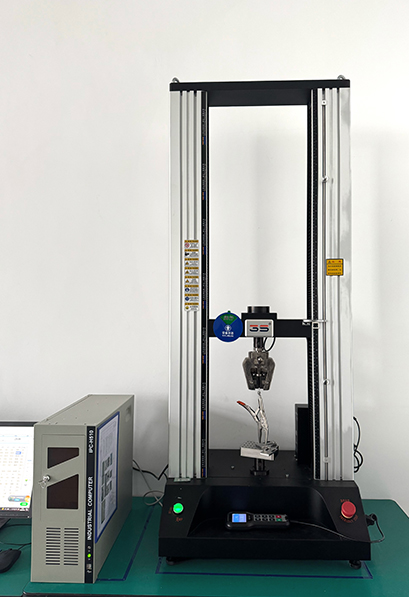
Jingye New Energy Testing Laboratory is the core support platform of the company's quality management system. Its CNAS-accredited facility ranks among the industry’s top in total investment, with hardware and technical capabilities both reaching advanced domestic levels.
Equipped with over 100 sets of professional testing equipment, the laboratory features domestically leading key instruments, fully covering critical testing dimensions: physical and chemical analysis, electrochemical performance, safety and reliability, environmental adaptability, and precision dimension and appearance inspection. Among these, the automatic 2D optical measuring instrument—leveraging non-contact optical imaging technology—is widely applied to dimensional control of precision components, significantly improving testing accuracy and efficiency.
In the meantime, the laboratory has built a high-caliber testing team. Focusing on core links of the new energy industry chain, the team has established a full-lifecycle testing service system spanning incoming raw material inspection, in-process component testing, and end-product type testing. It delivers scientific, impartial and accurate technical support for a full range of products including energy storage battery systems, power battery systems and CCS integrated busbars, laying a solid foundation for the company’s product quality improvement and technological innovation.
Sep. 10, 2026
Solar Inverter Buying Guide 2026: How to Choose the Right One
A 2026 guide to choosing the right solar inverter — single-phase vs three-phase, string vs hybrid, efficiency, MPPTs, sizing, and what actually matters for your project.
Sep. 08, 2026
You Have Solar — So Why Is Your Electricity Bill Still High?
Installed solar but your electricity bill is still high? Here's the reason most systems miss — and how battery storage and a hybrid inverter finally turn your solar into real savings.
Sep. 07, 2026
How Does Laboratory Validation Reduce Battery Project Risk?
When an energy storage project is evaluated, buyers often focus on capacity, efficiency, cycle life, price, and system configuration.
Let’s Get Started on Your New Energy Journey.