Oct 30, 2026
By Daniyal, Jingye New Energy. Published 30 October 2026.
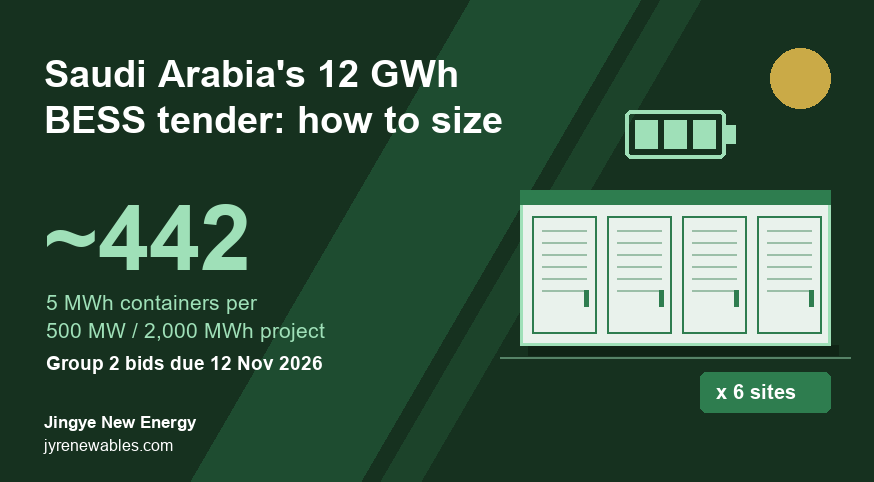
Quick answer: Saudi Arabia's Group 2 BESS tender covers six 500 MW / 2,000 MWh sites (12 GWh in total), and bids are now due on 12 November 2026. By our estimate, one site needs about 442 liquid-cooled 5.015 MWh containers to deliver 2,000 MWh at the grid, or up to 553 if 15 years of battery fade is built in on day one. Group 1 was signed at about US$145 per kWh of total investment.
Saudi Arabia is now one of the largest buyers of grid batteries in the world. In August 2026 the Saudi Power Procurement Company (SPPC) signed four 15-year storage agreements for 2,000 MW / 8,000 MWh, with total investment of more than US$1.16 billion. On 21 October, Shandong Electric Power Construction Corporation (SEPCO) was reported to have won the EPC contract for one of those sites, the 500 MW / 2,000 MWh Al Khushaybi project in Qassim.
The next round is bigger. Group 2 adds six more 500 MW / 2,000 MWh projects, andSPPC has extended the bid deadline to 12 November. This article explains what the tender asks for, how many containers each site really needs, and what EPCs and developerck in a battery supplier.
Group 2 is six standalone battery projects of 500 MW / 2,000 MWh each, built under a build-own-operate model, for a total of 3 GW / 12 GWh. SPPC issued the request for propoto MEED.
Group 2 is six standalone battery projects of 500 MW / 2,000 MWh each, built under a build-own-operate model, for a total of 3 GW / 12 GWh. SPPC issued the request for proposals in July 2026, according to MEED.
| Project | Region | Size |
|---|
| Project | Region | Size |
|---|---|---|
| Samha BESS ISP | Qassim | 500 MW /2,000 MWh |
| Al-Leeth BESS ISP | Makkah | 500 MW / 2,000 MWh |
| Al-Henakiyah BESS ISP | Madinah | 500 MW /2,000 MWh |
| Khulis BESSISP | Makkah | 500 MW / 2,000 MWh |
| Sadawi BESS ISP | Eastern Province | 500 MW / 2,000 MWh |
| Ashyrah BESS ISP | Makkah | 500 MW /2,000 MWh |
| Group 2 total | 6 sites | 3,000 MW / 12,000 MWh |
SPPC prequalified 27 developers and technology providers in July, including Masdar,ACWA Power, EDF, TotalEnergies, KEPCO, Power Construction Corp. of China and several Saudi groups, according to ESS News. Thewinners own 100% of each project company and sign a storage services agreement with SPPC. Group 1 agreements ran for 15 years.
It is one of the largest storage pipelines in the Middle East, and it is only thestart. Saudi Arabia targets 48 GWh of battery storage by 2030, as reported by pv magazine. Group 1 together make 20 GWh. That leaves roughly 28 GWh for future rounds, if the targetholds.
Cost is driving the shift. A Wood Mackenzie study reported by EnergeticaIndia on 13 October puts four-hour battery storage in the Middle East and Africa at about US$120/MWh in 2026, falling to US$80/MWh by 2035, and finds storage becoming cheaper than gas peaking across the region's gas markets. With solar in Saudi Arabia and the UAE expected below US$20/MWh bye the obvious way to move cheap daytime solar into the evening peak.
Between about 400 and 550 containers, depending on how you handle losses and degradation. Dividing 2,000 MWh by a 5.015 MWh container gives 399 units, but that only eplate reaches the grid, and none ever does.
The table below is our own estimate using our 5.015 MWh liquid-cooled BESS container. We assume 95% usable depth of discharge and 95% efficiency from the battery DC terminals to the grers and auxiliary load). Your own figures will depend on the final RFP rules and thesite.
| Sizing approach (estimate) | Day-1 nameplate | Containers per site | Containers, all 6 sites |
|---|---|---|---|
| Nameplateonly (no losses, not bankable) | 2,001MWh | 399 | 2,394 |
| 2,000 MWh at the grid on day 1 (95% DoD, 95% efficiency) | 2,217 MWh | 442 | 2,652 |
| Day-1 plus10% headroom, augment later | 2,442MWh | 487 | 2,922 |
| Full 15-yearfade built in upfront (80% end-of-life capacity) | 2,773MWh | 553 | 3,318 |
Jingye New Energy estimate. Day-1 nameplate = 2,000 MWh ÷ (0.95 × 0.95) = 2,216 MWh,rounded up to whole 5.015 MWh containers. The 80% end-of-life case divides that by 0.8. These are illustrative assumptions, not tender rules.
Power is not the limit here. Each container is rated up to 2.5 MW, so 442 containers could handle about 1,105 MW, more than twice the 500 MW needed. A four-hour project runste, roughly 0.23 of nameplate energy per hour, which helps cell life and heat control.Our C-rate guide explains why that matters.
About US$145 per kWh of total investment. Group 1 agreements totalled SR4.35 billion (US$1.16 billion) for 8,000 MWh, as reported by MEED. That works out to about SR544/kWh, or roughly US$290 million per 500 MW / 2,000 MWh site.
Read that number carefully. It is a headline investment figure, so it covers farmore than batteries: PCS, transformers, substation and grid works, civil works, land, development and financing. The battery containers are only part of it. Bidders who want to beat that level in Group 2 have three main levers:
Check five things: heat performance, certifications, fire safety design, deliverycapacity and grid-side integration. A 2,000 MWh site is a 15-year asset in one of the hottest climates in the world, so the battery choice affects every year of revenue.
We build the battery block at the heart of these projects and have already delivered it at 100 MWh scale. Our 5.015 MWh BESScontainer is designed for utility-scale four-hour projects:
The same building block is already running in the field. The Jiangsu Jingye Iron and Steel 50 MW / 100.32 MWh station uses 20 sets of 5 MWh battery cabins with 10 sets of 5 MWway, a 2,000 MWh Saudi site is like twenty of those stations. Our Huaxi Special Steel 15 MW / 30.09 MWh station runs two charge and discharge cycles a day.
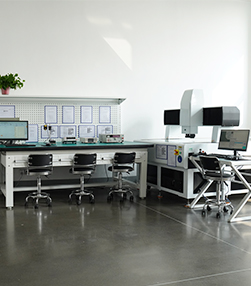
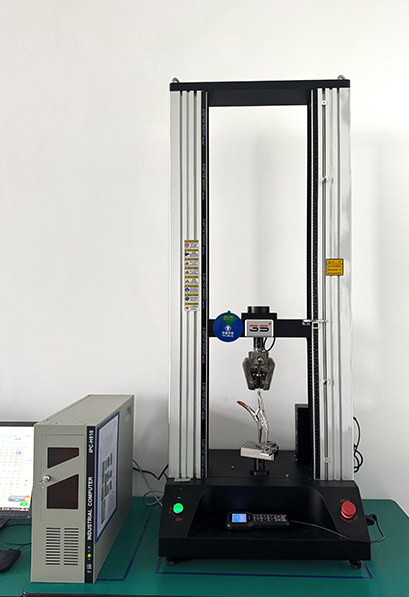
Behind the product is a 15 GWh module and PACK production line, a CNAS-accreditedtest laboratory, and ISO 9001, ISO 14001 and ISO 45001 management systems. Read more on our company profile. If you are also bidding in India, see our MAHAGENCO 1,600MWh tender sizing guide.
MEED reported on 9 October 2026 that SPPC extended the deadline to 12 November 2026. Bidders should confirm the date directly with SPPC.
Six 500 MW / 2,000 MWh projects, for 3,000 MW / 12,000 MWh in total, in Qassim, Makkah (three sites), Madinah and the Eastern Province.
A consortium of Saudi Energy, ACWA Power and Al Sharif won Al Muwyah, Haden and AlKahafa. ENGIE with Haji Abdullah Alireza & Co. won Al Khushaybi, where SEPCO was reported as EPC contractor in October 2026.
By our estimate, about 442 of our 5.015 MWh containers to deliver 2,000 MWh at the grid on day one, and up to 553 if 15 years of degradation is built in upfront.
48 GWh by 2030. Groups 1 and 2 together cover 20 GWh of that.
Liquid cooling keeps cell temperatures more even than air cooling, which slowsdegradation and reduces auxiliary power use in hot weather. Over a 15-year contract, both directly affect revenue.
Send us your site, the RFP's energy and availability terms and your augmentationstrategy. We will reply with a container layout, a degradation-based sizing and a budget quote for our 5.015 MWh container before the 12 November deadline.
Request a sizing and quoteHebei Jingye New Energy Technology Co., Ltd, part of Jingye Group, makes utility-scale BESS containers, C&I energy storage cabinets, CCS cell contact systemsvehicle batteries.
Oct. 30, 2026
Saudi Arabia 12 GWh BESS Tender: How to Size Group 2 Bids (2026)
Saudi Arabia's Group 2 BESS tender (six 500 MW / 2,000 MWh sites, 12 GWh in total) now closes on 12 November 2026. By our estimate, each site needs about 442 of our 5.015 MWh containers to deliver 2,000 MWh at the grid, or up to 553 if 15-year degradation is built in upfront.
Oct. 30, 2026
How Many EV Chargers Does a Commercial Site Need?
If you are asking, “How Many EV Chargers Does a Commercial Site Need?”, I recommend using a five-step sizing method: measure parking demand, calculate daily energy consumption, estimate peak simultaneous charging, select AC or DC equipment, and verify electrical capacity. This approach helps businesses avoid underbuilding, reduce unnecessary capital expenditure, and create a scalable charging
Oct. 29, 2026
Transformer Requirements for Utility-Scale Battery Storage
Utility-scale battery storage depends on more than battery capacity. The battery energy storage system transformer must connect the battery racks and power conversion system to the utility grid safely. A complete design normally includes a medium voltage transformer, a step-up transformer, switchgear, protection, cooling, and monitoring. These parts control voltage, current, fault energy, and
Let’s Get Started on Your New Energy Journey.