Oct 14, 2026
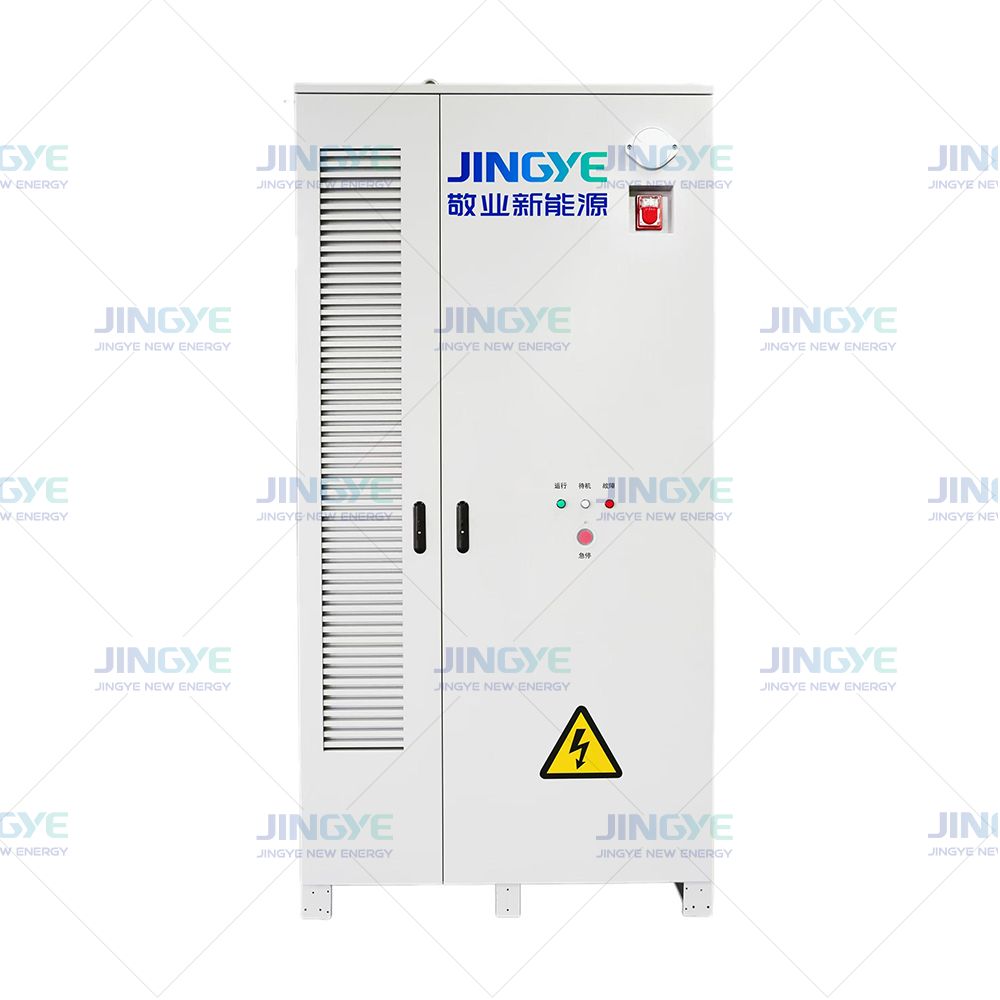
Energy Storage Cabinets help industrial parks reduce energy costs, improve power quality, and use more renewable electricity. A battery energy storage system can store power when electricity prices are low and release it during high-price periods. Industrial park energy storage also helps factories manage demand charges and avoid short power interruptions. Solar power integration becomes more useful when batteries can store daytime output for evening production. A microgrid energy management system can then coordinate batteries, solar panels, generators, and factory loads. These design choices affect safety, service life, return on investment, and daily operating performance.
Many industrial parks face rising peak demand, unstable grid supply, and limited space for new electrical equipment. A poorly sized system may fail to reduce the monthly peak. An oversized system may tie up capital without producing enough savings. The right design starts with measured load data, local electricity tariffs, safety requirements, and the operating goals of the park.
An industrial park should design its battery energy storage system around measured load profiles, peak demand, electricity prices, renewable generation, available space, fire safety, and future expansion. The design should define the required power in kW, energy capacity in kWh, battery chemistry, thermal management, protection equipment, control strategy, and inspection plan. For many projects, a modular Energy Storage Cabinet rated from 100 kW to 215 kWh or higher provides a practical starting point, but the final size must come from site data and economic analysis. The system should comply with applicable standards such as IEC 62933, UL 9540, UL 9540A, NFPA 855, and local electrical codes.
The first step is to collect at least 12 months of utility bills and interval meter data. Fifteen-minute data is useful because many utilities calculate demand charges from 15-minute average power. A five-minute data set gives more detail for factories with fast-changing loads, such as welding lines, compressors, injection molding machines, and electric furnaces.
A useful design report should show the base load, average load, peak load, and load changes by hour. It should also identify whether the main problem is high demand, high energy consumption, poor power quality, or backup power needs.
Power is measured in kW or MW. It describes how fast the system can deliver electricity. Energy is measured in kWh or MWh. It describes how much electricity the system can store.
| Design item | Question | Example value |
|---|---|---|
| Rated power | How much power must the system deliver at one time? | 500 kW |
| Usable energy | How long must the system support the load? | 1,000 kWh |
| Discharge duration | How long can the system run at rated power? | 2 hours |
| Round-trip efficiency | How much stored energy can be recovered? | About 85 to 92 percent, depending on the system |
| Response time | How quickly can the system respond? | Milliseconds to seconds |
For example, a 500 kW system with 1,000 kWh of usable energy can provide 500 kW for about two hours before considering reserve limits and conversion losses. A system designed only for peak shaving may need one to two hours of discharge. A system designed for renewable energy shifting may need four hours or more.
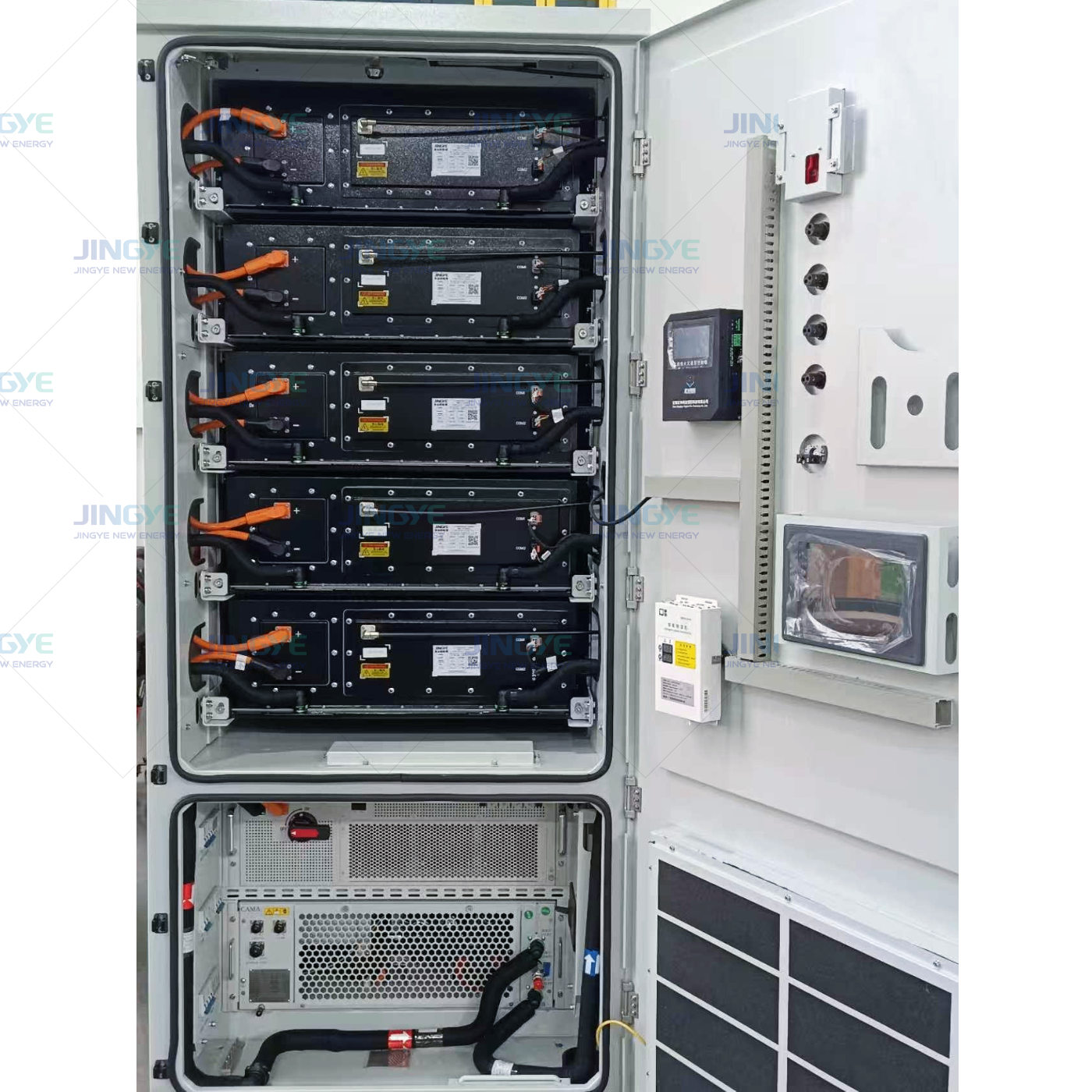
Modular Energy Storage Cabinets allow the project to grow in stages. A cabinet may include battery modules, a battery management system, a thermal management unit, fire detection, and communication equipment. A separate power conversion system may connect the direct-current battery to the alternating-current plant bus.
| Configuration | Main benefit | Typical use | Main limitation |
|---|---|---|---|
| Indoor cabinet | Good protection from weather | Electrical rooms and controlled facilities | Requires ventilation and suitable fire protection |
| Outdoor cabinet | Uses less indoor floor space | Industrial yards and solar sites | Needs weather, corrosion, and temperature protection |
| Air-cooled cabinet | Simple service structure | Small and medium systems | Lower cooling performance in high ambient temperatures |
| Liquid-cooled cabinet | More even battery temperature control | High-power and high-cycle systems | Higher system complexity and service requirements |
Common design parameters for a commercial and industrial cabinet include:
Lithium iron phosphate batteries are widely used for stationary storage because they offer strong thermal stability and long cycle performance. The selected cell, module, rack, and cabinet design must still pass the required safety tests. Chemistry alone does not guarantee project safety.
Peak shaving reduces the highest grid demand during a billing period. The energy management system monitors site power and sends battery power when the load approaches a set limit.
Example: A factory reaches 2,000 kW during a 30-minute production peak. The project target is to reduce grid demand to 1,700 kW. The battery must provide about 300 kW during the event. If the peak lasts 30 minutes, the theoretical energy need is 150 kWh. After adding reserve capacity, conversion losses, and repeated events, a system with 250 to 400 kWh of usable capacity may be more suitable.
Solar power integration requires the battery to absorb excess solar electricity and discharge it when solar output falls. The design should compare the solar generation curve with the factory load curve.
A 1 MW solar plant may produce more power than the factory can use at noon. A battery with 500 kW of charging power can absorb part of this excess. If the system charges for two hours, it may need at least 1,000 kWh of available charging energy. The actual value depends on solar output, inverter limits, weather, and the battery state of charge.
Backup power is different from peak shaving. Backup systems must respond during an outage and support selected loads for a defined period. The design must specify:
Large motors may require two to seven times their normal running current during startup. The inverter must handle this demand or use a controlled starting method. A battery sized only by average kW may not start the equipment safely.
Temperature affects battery capacity, charging speed, aging, and safety. A battery management system should monitor cell voltage, cell temperature, current, state of charge, and state of health. A cabinet design should identify temperature limits for normal operation, warning status, and emergency shutdown.
Liquid cooling can keep temperature differences between battery modules within a narrow range. A common design target is a cell temperature difference of less than 5 degrees Celsius during high-power operation. The final limit depends on the cell manufacturer and system test results.
Battery safety should use several independent protection layers:
NFPA 855 provides installation guidance for stationary energy storage systems in applicable regions. UL 9540 covers energy storage system safety. UL 9540A evaluates thermal runaway fire propagation behavior. IEC 62933 covers important requirements for electrical energy storage systems. Local fire, building, and electrical codes must also be reviewed before installation.
Cabinet spacing, fire walls, access routes, and emergency shutdown points must be included in the layout. The required distance depends on the equipment listing, local code, fire risk study, and test results. Do not copy a spacing value from another project without checking the local authority and the equipment certification.
The system may connect to a low-voltage bus, a medium-voltage bus, or a dedicated transformer. The choice depends on system power, cable distance, fault level, and the existing plant network.
| Connection level | Suitable project condition | Design focus |
|---|---|---|
| Low voltage | Smaller systems near the main distribution board | Busbar rating, short-circuit current, and cable heating |
| Medium voltage | Large systems or long cable routes | Transformer, protection relay, insulation, and switching |
| Dedicated feeder | Sites needing clear measurement and control | Metering, isolation, protection coordination, and expansion |
The power conversion system should meet the required active power, reactive power, power factor, voltage range, frequency range, and fault ride-through functions. The design should also review harmonics. Many projects use total harmonic distortion targets below 5 percent at the point of common coupling, but the utility and local code determine the final requirement.
Protection studies should include short-circuit calculations, relay coordination, grounding, arc-flash risk, transformer inrush, and anti-islanding functions. These studies should be completed before construction drawings are approved.
A battery energy storage system should not operate from a simple charge and discharge timer. It should use real-time data from the utility meter, solar inverter, plant loads, battery management system, and electricity tariff.
The following flow shows a basic peak shaving process:
The energy management system should keep reserve capacity for unexpected events. For example, a project may use 10 percent of the battery for emergency backup and allow 80 percent of the remaining usable range for daily peak shaving. This approach can reduce deep cycling and maintain service availability.
Jingye can be included in the project workflow as the equipment and system integration partner. Its engineering team should receive the site load data, tariff rules, single-line diagram, safety requirements, and expansion plan before confirming the cabinet configuration. A documented control matrix should then define every alarm, operating mode, and shutdown condition.
The financial model should include:
Assume an industrial park reduces its monthly demand charge by 300 kW. If the demand charge is 12 currency units per kW per month, the monthly saving is 3,600 currency units. The annual saving is 43,200 currency units before maintenance and other revenue. The project should also calculate energy losses, battery replacement risk, and the effect of seasonal load changes.
Battery life is affected by cycle count, depth of discharge, average temperature, charge rate, and time spent at high state of charge. A system that operates at 0.5C and uses a limited state of charge range may age more slowly than a system that repeatedly operates at 1C and reaches its full limits.
Factory acceptance testing should verify the complete cabinet before shipment. A practical inspection plan may include:
| Inspection area | Example test or check | Example acceptance target |
|---|---|---|
| Visual inspection | Enclosure, labels, cable routing, locks, and cooling parts | No visible damage or loose parts |
| Insulation test | Check insulation between live circuits and ground | Pass the approved voltage and insulation criteria |
| Functional test | Charge, discharge, stop, alarm, and restart | All commands operate as specified |
| Protection test | Overvoltage, overcurrent, overtemperature, and emergency stop | Correct alarm and safe shutdown response |
| Communication test | Modbus, Ethernet, or approved site protocol | Stable data exchange with the control system |
| Capacity test | Controlled charge and discharge cycle | Measured capacity meets the contract value |
Site testing should confirm that the system works with the industrial park network. The test team should verify phase sequence, grounding, protection settings, meter accuracy, emergency stops, islanding controls, remote commands, and restart procedures.
Testing should also include a performance run. The team can record power, voltage, current, temperature, state of charge, and efficiency at fixed intervals. A 24-hour monitored trial can reveal communication faults and cooling problems that may not appear during a short startup test.
A professional supplier should maintain traceable records for cell batches, module assembly, firmware versions, calibration results, and final inspection. Jingye should define the number of test cycles, sample size, measurement accuracy, and corrective action process for each project. This approach turns research and development results into repeatable field performance instead of relying on visual inspection alone.
Before Energy Storage Cabinets arrive, the project team should confirm:
| Interval | Recommended activity |
|---|---|
| Daily or remote review | Check alarms, state of charge, temperature, power, and communication status |
| Monthly | Review energy throughput, peak shaving results, efficiency, and abnormal events |
| Quarterly | Inspect filters, fans, cooling circuits, terminals, labels, and emergency stops |
| Annually | Test protection functions, firmware records, insulation, fire systems, and capacity trend |
Maintenance staff should receive training before commercial operation. The training should cover normal startup, shutdown, emergency isolation, alarm response, personal protective equipment, and communication with the utility or fire service.
Energy Storage for Industrial Parks requires more than selecting a battery cabinet. The project must connect load measurements, tariff analysis, renewable energy integration, power conversion, thermal management, fire safety, controls, and long-term maintenance. A modular Energy Storage Cabinet can support peak shaving, demand charge management, backup power, and solar power integration when it is correctly sized and tested. By using clear technical parameters, recognized safety standards, and measured operating data, industrial parks can build a battery energy storage system that is safer, easier to maintain, and more valuable over its service life.
Oct. 20, 2026
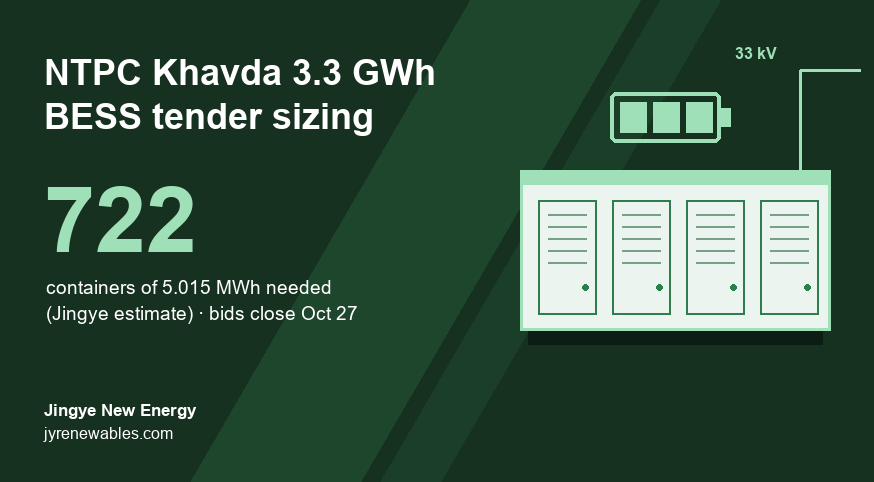
NTPC Khavda 3,300 MWh BESS Tender: How Many Containers You Really Need (2026)
NTPC Green Energy's 1,100 MW / 3,300 MWh Khavda battery tender closes on October 27, 2026. Because capacity is counted as AC energy at the grid point, we estimate it needs about 722 containers of 5.015 MWh, roughly 10% more installed battery than the headline figure.
Oct. 20, 2026
Battery Energy Storage System Architecture: Key Components Explained
A battery energy storage system architecture determines how safely and efficiently a BESS stores, controls, and delivers electricity. The main challenge for overseas buyers is choosing the right structure without creating avoidable cost, safety, or integration problems.
Oct. 19, 2026
Battery Capacity Fade in Commercial Energy Storage Systems
Battery capacity fade in commercial energy storage systems reduces the amount of energy a site can store and deliver. This battery degradation can increase demand charges, reduce backup time, and change the return on investment.
Let’s Get Started on Your New Energy Journey.