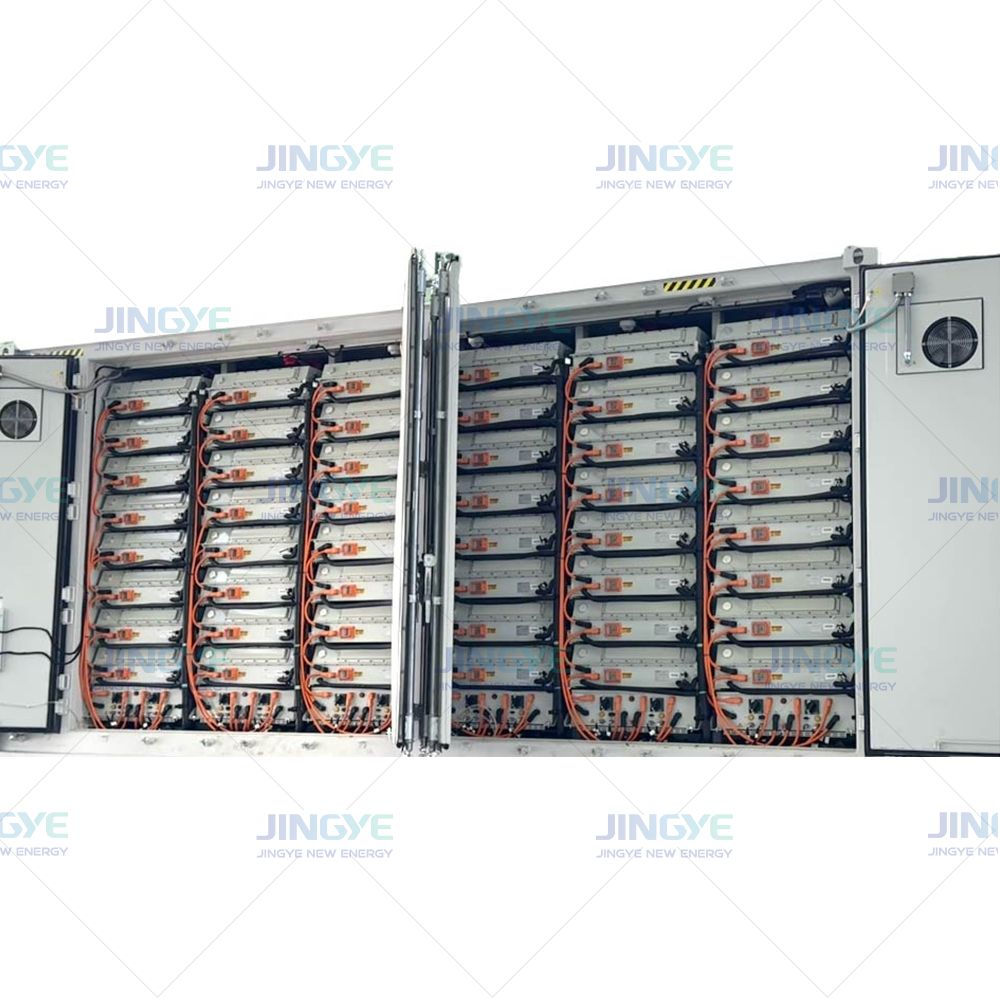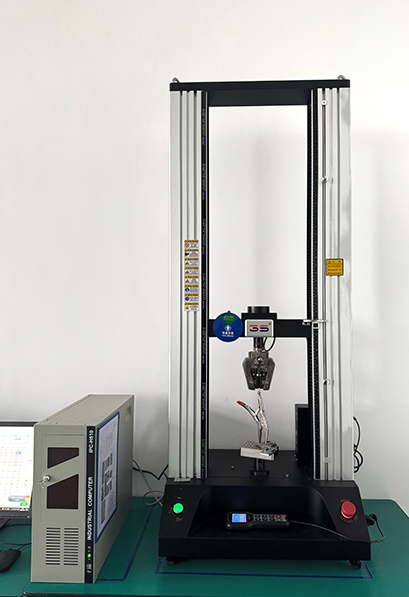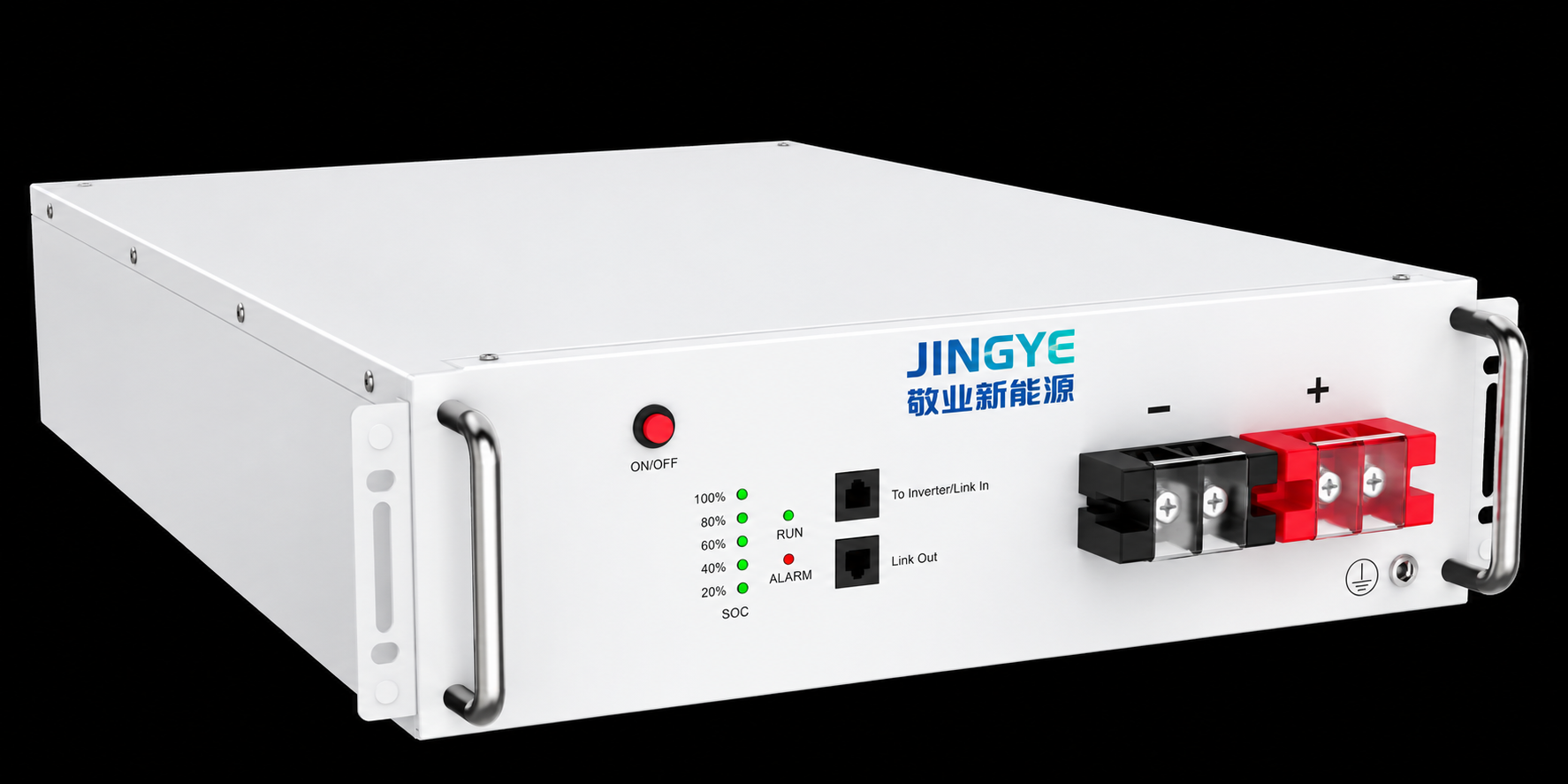

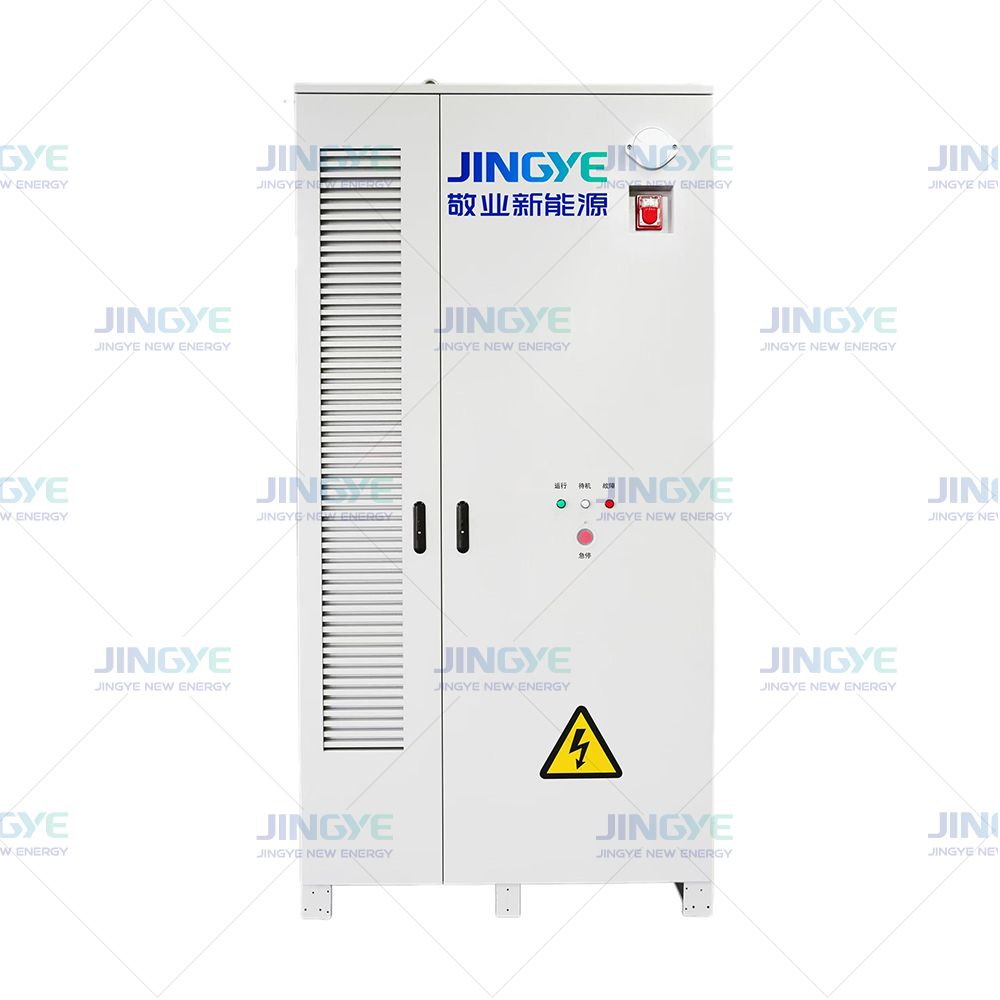
Factories face rising electricity prices, peak demand charges, power interruptions, and pressure to reduce carbon emissions. Battery energy storage systems, industrial Energy Storage Cabinets, and peak shaving are practical tools for solving these problems. With the right design, a factory can use stored electricity during expensive hours, protect critical machines, and make better use of solar power.
Energy storage for factories is not only a backup solution. It is a flexible power asset that can charge when electricity is cheaper and discharge when the factory needs more power. The result may include lower demand charges, improved power quality, higher solar self-consumption, and better production continuity.
1. Why Are Factories Looking for Energy Storage?
Industrial electricity use is often uneven. A factory may consume moderate power at night, then start several motors, compressors, welding lines, or heating systems during the day. These short periods of high demand can increase the monthly electricity bill.
At the same time, many factories depend on a stable power supply. A short voltage dip can stop a production line, damage unfinished products, or require a long restart process. In some industries, the cost of downtime is higher than the cost of electricity itself.
Common factory energy problems
- High peak demand charges caused by short periods of heavy load.
- Time-of-use prices that make daytime or evening electricity expensive.
- Solar power that is wasted when production is low.
- Power interruptions that stop machines and control systems.
- Voltage fluctuations and poor power quality.
- Limited transformer capacity for future production growth.
- Pressure to reduce carbon emissions and improve energy reporting.
A factory battery storage system helps separate the time of electricity production from the time of electricity use. This gives the site more control over its energy schedule.
2. Key Applications of Energy Storage for Factories
2.1 Peak shaving and demand charge control
Peak shaving is one of the most common applications. The battery discharges when factory demand approaches a preset limit. This reduces the highest power drawn from the grid during a billing period.
For example, if a factory normally reaches 1,000 kW for 30 minutes each afternoon, a battery may supply part of that load. If the system reduces the grid peak to 800 kW, the factory can avoid some demand charges. The exact result depends on the local tariff, battery size, and control strategy.
Important data: A 500 kWh battery with a 250 kW power rating can provide 250 kW for about two hours under suitable operating conditions. This may support peak shaving, short backup periods, or both, but not always at the same time.
2.2 Time-of-use energy arbitrage
Some utility companies charge different prices during off-peak, shoulder, and peak periods. An energy storage cabinet can charge during low-price hours and discharge during high-price hours.
- Charge the battery when the factory load and electricity price are low.
- Hold the stored energy during the transition period.
- Discharge during the high-price period.
- Repeat the schedule based on the utility tariff and production plan.
This strategy is called energy arbitrage. It is more effective when the price difference is large and the battery can complete regular cycles without excessive wear.
2.3 Backup power for critical production loads
Factory energy storage can provide backup power for selected loads instead of the entire site. Critical loads may include production control systems, servers, security systems, refrigeration, emergency lighting, pumps, and communication equipment.
A battery energy storage system can respond within milliseconds. This is faster than starting many diesel generators. However, the system must be designed with the correct transfer equipment, inverter capacity, protection settings, and backup priorities.
Design example: If critical equipment uses 100 kW and needs four hours of backup, the basic energy requirement is 400 kWh. Extra capacity should be considered for inverter losses, battery reserve, temperature, aging, and future load growth.
2.4 Solar energy storage and higher self-consumption
Factories often produce solar power at midday, while their largest electricity demand may occur in the morning, evening, or night. Without storage, surplus solar power may be exported at a low value or curtailed.
Solar battery storage captures excess solar generation and releases it when the factory needs power. This can increase solar self-consumption and reduce grid imports. A combined solar and storage system also gives the factory more control over renewable energy use.
2.5 Power quality improvement
Modern factories use variable speed drives, robots, digital controls, and sensitive electronic equipment. These devices may be affected by voltage dips, frequency changes, harmonics, or rapid load changes.
Power conversion equipment connected to an energy storage system can support voltage and frequency control. It may also help smooth the output of solar power and reduce the impact of sudden loads. A professional power quality study is needed before selecting this function.
2.6 Microgrid and off-grid operation
Energy storage is a key part of a factory microgrid. A microgrid can combine the utility grid, solar panels, batteries, generators, and controllable loads. When the grid is available, the system can optimize cost. During an outage, it can isolate important loads and continue operating in island mode.
This application is useful for remote factories, cold storage facilities, data-heavy production sites, and locations with weak grid infrastructure.
3. Main Benefits of Industrial Battery Storage
| Factory challenge | Energy storage response | Possible business benefit |
|---|---|---|
| High monthly peak demand | Discharge during demand peaks | Lower demand charges and better transformer use |
| High peak electricity prices | Charge at low prices and discharge at high prices | Lower time-of-use energy costs |
| Solar power surplus | Store excess generation | Higher solar self-consumption |
| Grid interruptions | Supply selected critical loads | Less production downtime |
| Voltage and frequency changes | Fast inverter response | Improved power stability |
| Limited grid capacity | Use battery power during high-load periods | More production capacity without immediate grid upgrades |
Lower operating costs
The financial value of factory energy storage usually comes from several services working together. Peak shaving may reduce demand charges. Time-of-use control may reduce energy charges. Solar charging may reduce grid purchases. Backup power may reduce the cost of lost production.
In some projects, these combined benefits can reduce energy-related costs by 10% to 30%. This is a planning range, not a guaranteed result. A reliable business case must use real load data, local tariffs, battery efficiency, maintenance costs, and expected cycle life.
Better production continuity
A short outage can stop an automated line for hours. It may also cause material waste, labor loss, delayed shipments, and equipment stress. A battery system can keep selected systems running while the grid is restored or a generator starts.
Factory owners should identify the financial cost of one hour of downtime. This number helps determine whether backup storage is more valuable than simple electricity bill savings.
Lower carbon emissions
Using more solar power and shifting electricity use away from high-carbon periods can reduce the factory's emissions. Battery storage can also support renewable energy targets and customer requirements for cleaner manufacturing.
Carbon benefits depend on the local electricity mix, charging schedule, solar output, and battery operating method. The system should be programmed to avoid charging from the grid during high-emission periods when possible.
4. How to Size Energy Storage for a Factory
Battery capacity is measured in kilowatt-hours, or kWh. Inverter power is measured in kilowatts, or kW. These two values are different. A system may have a large energy capacity but a small power output, or a high power output with a short discharge duration.
| Question | Data needed | Why it matters |
|---|---|---|
| What is the highest factory load? | 15-minute or 30-minute load profile | Helps calculate peak shaving power |
| How long must backup last? | Required hours and critical load in kW | Helps calculate usable battery capacity |
| When is electricity expensive? | Utility tariff schedule | Defines the charging and discharging plan |
| How much solar power is available? | Solar capacity and hourly generation | Helps size solar charging capacity |
| What space is available? | Indoor or outdoor installation area | Affects cabinet layout and safety design |
A simple sizing formula for backup is: required battery energy equals critical load multiplied by backup hours, divided by the usable battery ratio and system efficiency. For example, 200 kW for three hours requires 600 kWh of delivered energy. A larger installed battery may be needed after reserve capacity and losses are included.
5. Step-by-Step Process for a Factory Storage Project
- Collect energy data: Review at least 12 months of utility bills and interval load data.
- Define the main goal: Select peak shaving, backup power, solar storage, tariff control, or a combined plan.
- Separate critical loads: Decide which machines and systems must remain powered during an outage.
- Compare system options: Check battery chemistry, power rating, capacity, control software, safety functions, and warranty.
- Confirm site conditions: Review temperature, humidity, dust, fire protection, ventilation, access, and grid connection rules.
- Build the financial model: Calculate savings, demand charge reduction, downtime value, maintenance, and payback time.
- Install and commission: Test protection devices, communication, backup transfer, alarms, and operating schedules.
- Monitor and improve: Review performance data and update the control strategy as factory production changes.
This process prevents a common mistake: choosing battery capacity before understanding the factory load. The best system is based on operating data rather than a standard cabinet size.
6. How to Choose an Energy Storage Cabinet Supplier
Battery safety and thermal control
For many industrial projects, lithium iron phosphate batteries are selected because they offer good thermal stability, long cycle life, and high usable capacity. The final choice should also consider operating temperature, charge rate, enclosure design, and local safety requirements.
Ask the supplier about battery management systems, temperature sensors, smoke detection, fire suppression, emergency shutdown, ventilation, and fault isolation. Safety functions should be integrated into the cabinet and the site control system.
Power and energy flexibility
A factory may need high power for peak shaving but moderate energy for short events. Another site may need long backup duration with a lower discharge rate. A modular energy storage cabinet can make future expansion easier when production demand grows.
Check whether the system can operate in grid-connected and backup modes. Confirm the continuous power rating, peak power rating, usable capacity, round-trip efficiency, and expected performance at the site temperature.
Control system and communication
The energy management system should support automatic scheduling, demand limit control, solar charging, backup reserve, and remote monitoring. It should also communicate with meters, inverters, factory management systems, and other power equipment.
Jingye helps overseas buyers and distributors evaluate energy storage cabinet solutions for commercial and industrial projects. A suitable supplier should provide technical documents, installation guidance, commissioning support, spare parts information, and clear warranty terms.
Service and project support
Factory projects require more than a battery cabinet. Buyers should check the supplier's response time, training program, software support, replacement process, and ability to provide customized electrical designs.
For overseas distributors, stable product supply and clear documentation are also important. Product drawings, user manuals, test reports, packing standards, and remote troubleshooting support can reduce project delays.
7. Energy Storage Cabinet Comparison for Factory Use
| System type | Best use | Main strength | Key limitation |
|---|---|---|---|
| Small commercial cabinet | Workshops and small production sites | Lower initial cost and simple installation | Limited power and backup duration |
| Modular industrial cabinet | Medium factories and solar projects | Flexible expansion and multiple operating modes | Needs proper site integration |
| Containerized battery system | Large factories and microgrids | High capacity and centralized deployment | Requires more space and civil work |
| Battery plus generator system | Sites needing long backup periods | Fast battery response with extended generator runtime | Higher system complexity |
8. Questions Factory Buyers Often Ask
Can a battery replace a diesel generator?
It can replace a generator for short backup periods when the battery has enough capacity. For long outages, a battery and generator may work better together. The battery provides fast response, while the generator supports long-duration backup.
How long does an industrial battery last?
Service life depends on chemistry, temperature, depth of discharge, charge rate, and maintenance. A well-managed lithium iron phosphate system may support thousands of cycles. Buyers should request a capacity retention warranty and review the conditions behind the warranty.
Can the battery work with an existing solar system?
Often, yes. The project may use AC coupling, DC coupling, or a replacement inverter arrangement. Compatibility depends on voltage, inverter communication, protection settings, grid rules, and the existing solar design.
What happens if the factory expands?
A modular system can allow additional battery modules or cabinets. The original design should reserve space, cable capacity, transformer capacity, and communication ports for expansion.
Is factory energy storage safe indoors?
Indoor installation can be safe when the equipment, room, ventilation, fire protection, emergency access, and local approvals are properly designed. Outdoor cabinets may simplify installation where indoor space is limited. The correct choice depends on the site and local regulations.
9. Final Takeaway: Use Storage as a Factory Energy Tool
Energy storage for factories can address several problems with one coordinated system. It can reduce peak demand, shift electricity use, store solar power, support critical loads, improve power quality, and strengthen factory resilience.
The most valuable project is not always the one with the largest battery. It is the one that matches battery power and capacity with the factory load profile, electricity tariff, solar generation, backup needs, and future production plan.
For manufacturers, overseas buyers, and distributors, an industrial energy storage cabinet should be evaluated as a complete solution. Safety, control software, installation conditions, service support, warranty terms, and return on investment all matter. With accurate data and a clear operating strategy, Jingye energy storage solutions can help factories move from uncontrolled electricity costs to smarter and more reliable power management.