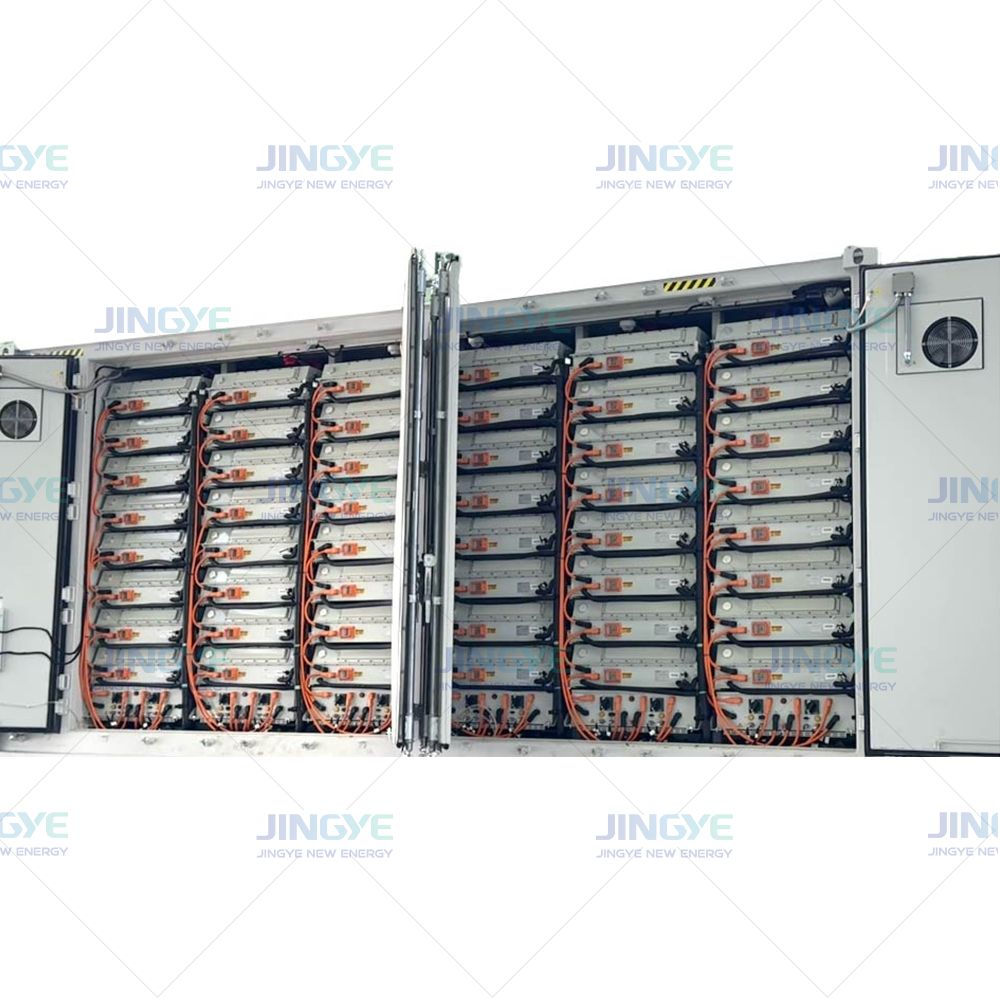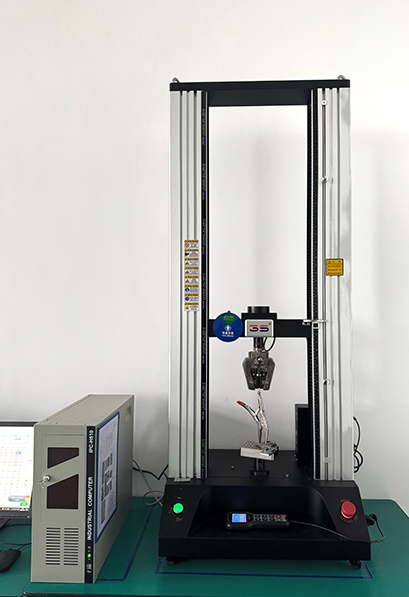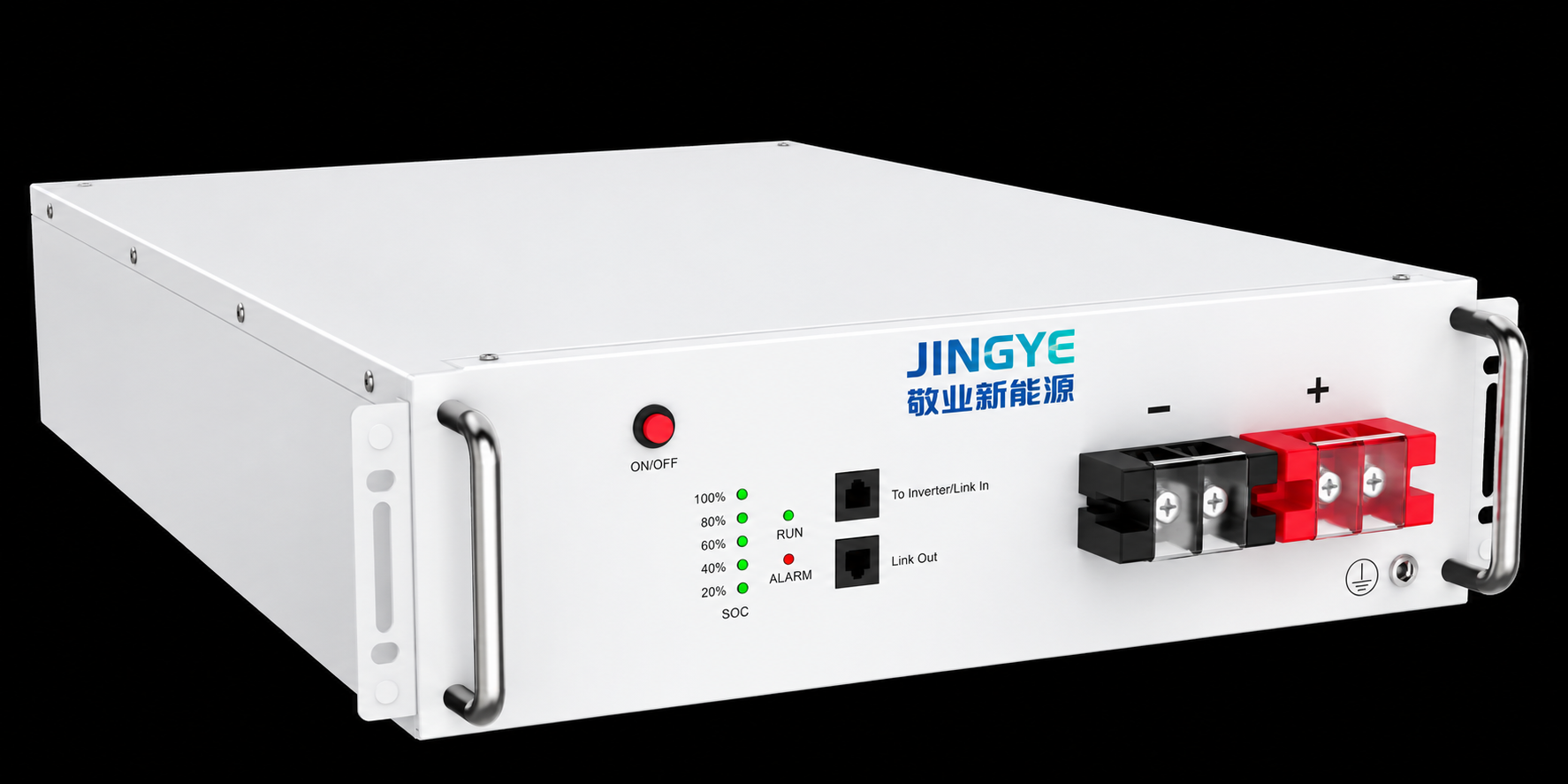

Energy density shows how much energy a commercial battery can store in a certain space or weight. It is one of the most important measures when comparing a commercial battery energy storage system, a lithium ion battery, and a battery energy storage system, also called BESS. For cabinet buyers, the key question is not only how much energy the cells hold, but how much usable energy the complete system delivers safely.
At the cell level, many lithium iron phosphate batteries provide about 140 to 180 Wh/kg. At the cabinet level, energy density is lower because the design includes racks, cooling, fire protection, wiring, battery management systems, and a steel enclosure. A practical commercial cabinet may provide about 100 to 220 Wh/L, depending on its capacity, cooling method, and safety design.
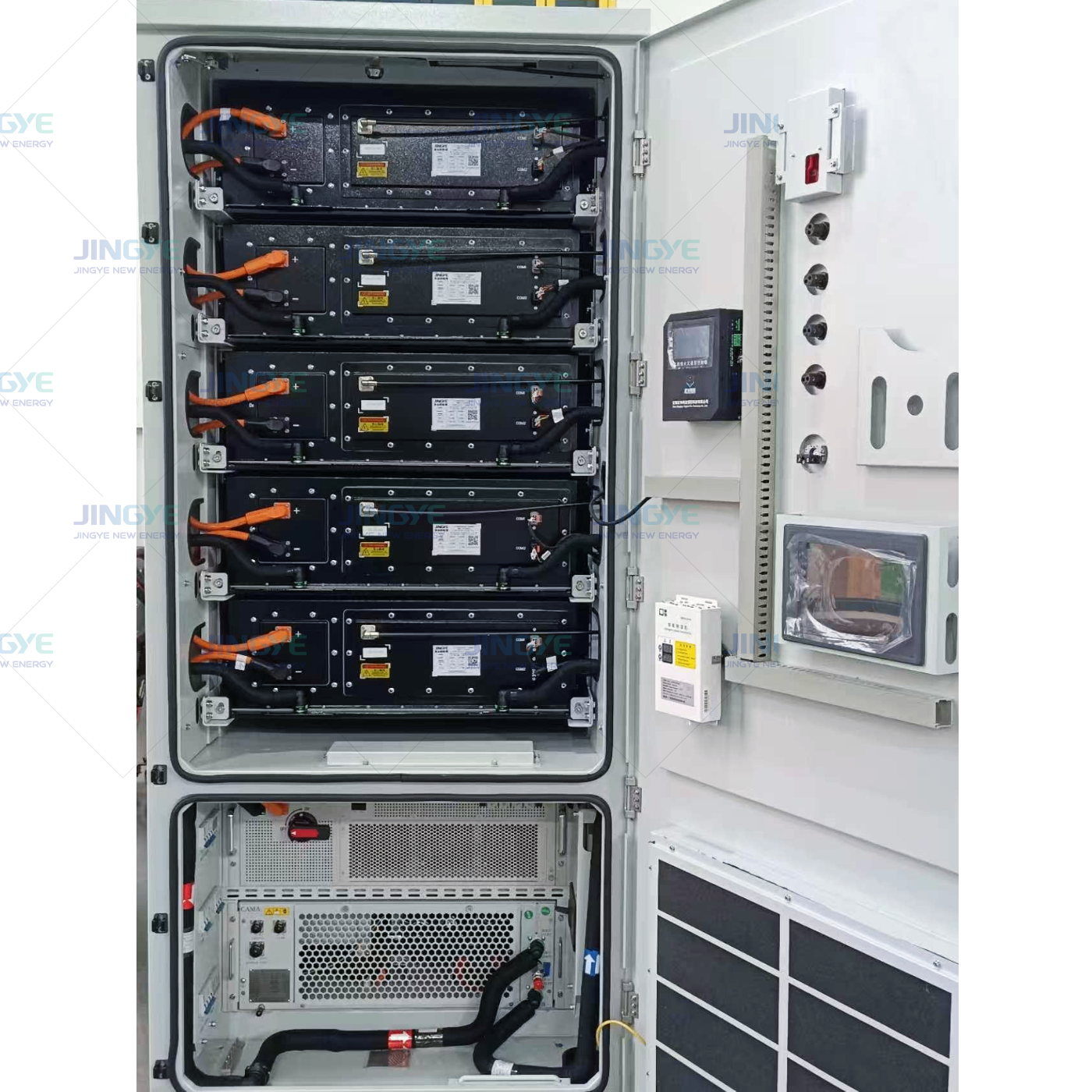
For overseas buyers and distributors, the best product is not always the cabinet with the highest stated energy density. A useful purchase decision must balance usable energy, power density, cycle life, installation space, thermal safety, maintenance access, and total cost of ownership. This guide explains the numbers in simple terms.
1. What Is Energy Density in a Commercial Energy Storage System?
Energy density means stored energy in a limited space or weight
Energy density is the amount of energy stored per unit of weight or volume. It is normally measured in watt-hours per kilogram, written as Wh/kg, or watt-hours per liter, written as Wh/L.
Gravimetric energy density measures energy by weight. Volumetric energy density measures energy by volume. A high Wh/kg value can reduce transportation weight. A high Wh/L value can reduce the floor area needed for a project.
Gravimetric energy density: Stored energy in kWh divided by system weight in kg.
Volumetric energy density: Stored energy in kWh divided by system volume in liters.
Usable energy density: Available energy after applying the depth of discharge, operating limits, and system losses.
Simple calculation
If a cabinet stores 215 kWh and occupies 1.5 cubic meters, its approximate volumetric energy density is:
215 kWh divided by 1.5 m3 = 143 kWh/m3, or 143 Wh/L.
This calculation describes the complete cabinet, not only the battery cells. It is a more useful figure for project planning because it includes the equipment that will occupy the customer site.
2. Why Energy Density Matters to Commercial Buyers
Limited land and indoor space
Commercial and industrial sites often have limited space. A factory may need energy storage beside a transformer, while a shopping center may have only a small service yard. Higher volumetric energy density allows more storage capacity in the same area.
For example, a 1 MWh project using 200 kWh cabinets needs five cabinets before considering service clearance. A design using 100 kWh cabinets needs ten cabinets. The second option may increase cable length, foundation work, fire zones, and installation labor.
Transport and installation costs
Weight affects shipping, lifting, unloading, and foundation design. A lighter system can reduce freight cost and may be easier to install in locations with limited crane capacity. However, a lower weight must not come from removing safety equipment or reducing the useful life of the battery.
Revenue from a smaller site
In demand charge management, peak shaving, solar energy shifting, and backup power, a compact system may create more value per square meter. This is especially important where land is expensive or where the owner cannot expand the electrical room.
3. Cell, Module, Pack, and Cabinet Energy Density Are Different
Manufacturers may publish energy density at different levels. This can make two products appear similar even when their installed size is very different. Buyers should always ask whether the number describes the cell, module, battery pack, rack, or complete cabinet.
| System level | What it includes | Typical energy density | Best use of the data |
|---|---|---|---|
| Battery cell | Positive electrode, negative electrode, separator, electrolyte, and case | About 140 to 180 Wh/kg for many LFP cells | Compare cell technology |
| Module | Cells, busbars, module housing, and monitoring parts | About 120 to 165 Wh/kg | Review internal battery design |
| Rack or pack | Modules, rack frame, disconnects, and protection devices | About 100 to 150 Wh/kg | Plan rack weight and handling |
| Complete cabinet | Battery racks, cooling, BMS, fire protection, enclosure, and wiring | About 100 to 220 Wh/L | Plan site space and capacity |
The figures are general market ranges, not guaranteed product specifications. Cabinet size, rated capacity, cooling equipment, insulation, fire protection, and access space can change the final result.
4. Rated Energy Is Not the Same as Usable Energy
Depth of discharge changes the available capacity
Rated energy is the energy stored when the battery is new and fully charged under specified test conditions. Usable energy is the amount the customer can safely use during normal operation.
For example, a 215 kWh cabinet operated at 90 percent depth of discharge has about 193.5 kWh available before other losses. If the system also has 90 percent round trip efficiency, the energy returned after a full charge and discharge cycle will be lower than the original input.
Usable energy = rated energy x depth of discharge x operating allowance.
Buyers should request both rated energy and guaranteed usable energy. A system with a slightly lower rated capacity may provide better long-term value if it maintains more capacity after several years of operation.
Calendar aging and cycle aging
Battery capacity decreases with time. Calendar aging occurs even when the battery is not cycling. Cycle aging is caused by charging and discharging. High temperature, high state of charge, high current, and deep cycling can increase aging.
A supplier should state the end-of-life capacity guarantee, such as 70 or 80 percent of the original capacity after a defined number of years or cycles. The guarantee should also identify the operating temperature, charge rate, discharge rate, and annual energy throughput.
5. Energy Density and Power Density Solve Different Problems
Energy density answers the question, “How long can the system supply energy?” Power density answers, “How quickly can the system deliver energy?” These are related but not identical.
| Measure | Main unit | Answers | Important for |
|---|---|---|---|
| Energy | kWh or MWh | How much electricity can be stored? | Solar shifting and backup duration |
| Power | kW or MW | How fast can electricity be delivered? | Peak shaving and load support |
| Energy density | Wh/kg or Wh/L | How much energy fits in a space or weight? | Site planning and logistics |
| Power density | W/kg or W/L | How much power fits in a space or weight? | Fast response and high power loads |
A factory may need a 1 MW system for ten minutes, while a solar farm may need a 1 MW system for four hours. Both systems have the same power rating, but the second system needs four times more energy capacity.
6. Which Factors Increase or Reduce Cabinet Energy Density?
Battery chemistry
Lithium iron phosphate, or LFP, is widely used in commercial storage because it offers strong thermal stability, long cycle life, and a lower risk of thermal runaway than some other lithium chemistries. Some high-nickel chemistries can provide higher energy density, but the complete safety and operating requirements must be reviewed carefully.
Cooling system
Air cooling can be simple and cost-effective for some projects. Liquid cooling can provide more even temperature control and may support a compact cabinet design. The cooling system adds weight, volume, power consumption, and maintenance requirements, so buyers should compare net usable energy rather than cell energy alone.
Safety equipment
Fire detection, smoke sensors, pressure relief, gas management, emergency stops, insulation, and separation between battery racks all use space. These parts may lower the published cabinet energy density, but they support safer operation and easier certification.
Service access and installation clearance
The cabinet dimensions do not represent the total project footprint. A site may require front access, rear access, side clearance, fire separation, ventilation space, and a safe maintenance path. Always compare the installed footprint, not only the enclosure footprint.
7. How to Compare Two Commercial Battery Cabinets
Use the following process when reviewing supplier quotations. It helps prevent a high cell-level number from hiding a lower system-level result.
- Confirm the rated energy in kWh.
- Ask whether the energy value is measured at cell, rack, or cabinet level.
- Record the external cabinet length, width, and height.
- Calculate the cabinet volume and volumetric energy density.
- Check the usable energy at the proposed depth of discharge.
- Review round trip efficiency, auxiliary power, and standby consumption.
- Compare cabinet weight, shipping dimensions, and lifting requirements.
- Review cycle life and end-of-life capacity guarantees.
- Check cooling, fire protection, certifications, and maintenance access.
- Compare total cost over the expected project life.
Comparison example
| Item | Cabinet A | Cabinet B |
|---|---|---|
| Rated energy | 215 kWh | 200 kWh |
| External volume | 1.5 m3 | 1.2 m3 |
| Approximate volumetric density | 143 Wh/L | 167 Wh/L |
| Usable energy at 90 percent depth of discharge | 193.5 kWh before other losses | 180 kWh before other losses |
| System weight | 2,100 kg | 1,850 kg |
| Best advantage | Higher rated and usable capacity | Smaller footprint and lower weight |
Cabinet B has better volumetric energy density, but Cabinet A stores more total energy. The correct choice depends on the site, required discharge duration, shipping conditions, and project economics.
8. Energy Density by Common Commercial Application
Peak shaving
Peak shaving reduces short periods of high electricity demand. The system may need high power for 15 to 60 minutes. Power rating, response time, inverter capacity, and control software may matter more than maximum energy density.
Solar energy shifting
Solar shifting stores daytime generation for evening use. A two to four hour battery is common for this type of project. Higher energy density can reduce the number of cabinets, but cycle life and round trip efficiency strongly affect financial performance.
Backup power
Backup systems must provide energy for a defined period, such as two, four, or eight hours. Buyers should calculate critical load in kW and multiply it by required backup time. Add a reserve for conversion losses, cold weather, battery aging, and emergency operation.
Microgrids and remote sites
Remote systems may have limited transport access and few maintenance resources. A compact cabinet can reduce site work, but rugged enclosure design, temperature control, remote monitoring, and spare parts support may be more important than the highest Wh/L value.
9. A Practical Flow for Selecting the Right Energy Density
Use this step-by-step flow before selecting a commercial energy storage cabinet:
- Define the load: Measure the required power in kW.
- Define the duration: Decide how many hours the battery must operate.
- Calculate energy: Multiply power by duration and add a design reserve.
- Check the site: Measure available length, width, height, access, and clearance.
- Set the density target: Select the minimum Wh/L and Wh/kg that fit the project.
- Verify usable capacity: Apply depth of discharge, efficiency, and aging limits.
- Review safety: Confirm thermal management, fire protection, alarms, and shutdown functions.
- Compare lifetime cost: Include equipment, shipping, installation, service, and replacement.
- Confirm local compliance: Check grid connection, fire, electrical, and transport requirements.
Decision rule: Choose the highest usable energy density that meets safety, life, power, service, and certification requirements. Do not choose a product only because it has the highest cell-level Wh/kg number.
10. What Should Buyers Ask an Energy Storage Manufacturer?
Is the energy density measured at cell, module, rack, or complete cabinet level?
What is the guaranteed usable energy at the beginning and end of life?
What depth of discharge and temperature range apply to the warranty?
What are the cabinet dimensions, weight, service clearances, and shipping dimensions?
How much energy does the cooling and control system consume?
What is the expected round trip efficiency at the planned power level?
How many cycles or years are covered by the capacity warranty?
What fire detection, suppression, ventilation, and emergency shutdown functions are included?
Can the battery management system connect with the customer's energy management system?
What support, spare parts, and remote monitoring services are available in the target market?
11. Why the Best System Is More Than a Density Number
Energy density is a valuable comparison tool, but it does not measure the complete customer experience. A dense cabinet that overheats, loses capacity quickly, or requires difficult maintenance may cost more over its life.
Commercial buyers should compare usable kWh per square meter, usable kWh per kilogram, cost per usable kWh, and guaranteed capacity after aging. They should also review installation time, safety systems, software functions, warranty terms, and local technical support.
Jingye designs energy storage solutions for commercial and industrial applications where space, safety, reliability, and long-term performance must work together. A detailed project review can match cabinet capacity, power rating, cooling design, and control functions to the customer's site conditions.
Frequently Asked Questions
What is a good energy density for a commercial battery cabinet?
A complete commercial cabinet commonly falls within about 100 to 220 Wh/L, depending on its design. A good target depends on the project. Buyers should compare usable energy and complete system volume instead of relying on cell data.
Is higher energy density always better?
No. Higher energy density can reduce the footprint, but it may involve different chemistry, cooling, safety, or cost requirements. Cycle life, thermal control, warranty conditions, and usable capacity are equally important.
How is battery energy density calculated?
Divide stored energy by weight for Wh/kg, or divide stored energy by volume for Wh/L. For a complete cabinet, include the enclosure, battery racks, cooling, fire protection, BMS, wiring, and other integrated equipment.
What is the difference between energy density and power density?
Energy density measures how much energy fits into a given weight or volume. Power density measures how quickly the system can provide power. A long-duration solar storage system needs strong energy capacity, while a short peak-shaving system may need higher power capability.
What number should appear in a supplier quotation?
The quotation should show rated energy, usable energy, cabinet dimensions, system weight, depth of discharge, round trip efficiency, cycle life, end-of-life capacity, and energy density at the complete cabinet level. These details make supplier comparisons more accurate.