Oct 02, 2026
Battery energy storage for data centers helps operators maintain backup power, stable voltage, and lower electricity costs. A modern battery energy storage system can support an uninterruptible power supply, improve power quality, and provide data center backup power during grid failures. This article explains how the system works, what battery size is needed, and how overseas buyers can select a safe and scalable solution.
Data centers cannot accept long voltage drops or repeated power interruptions. Even a short event can stop servers, damage storage systems, interrupt cloud services, and create data loss. Battery storage does not replace every part of a power protection system. Instead, it works with UPS equipment, generators, switchgear, and energy management software to create a complete power plan.
A data center may operate thousands of servers, cooling units, network devices, and security systems. These loads need stable power every second. Utility faults, storms, construction accidents, equipment failure, and overloaded local grids can cause outages. A battery energy storage system provides stored energy while standby generators start or while the utility supply is repaired.
The battery can also respond faster than a diesel generator. A properly designed system can detect a grid event in milliseconds and deliver power through a power conversion system. This fast response helps protect sensitive information technology equipment from a sudden loss of voltage or frequency.
Power quality includes voltage stability, frequency stability, harmonics, phase balance, and the number of interruptions. Poor power quality can cause server resets, nuisance alarms, overheating, and early equipment failure. Battery storage with a suitable inverter can smooth rapid changes and support voltage and frequency control.
For many data centers, the main benefit is not only emergency backup. The system can provide several services during normal operation, including peak shaving, load shifting, demand response, frequency regulation, and renewable energy integration.
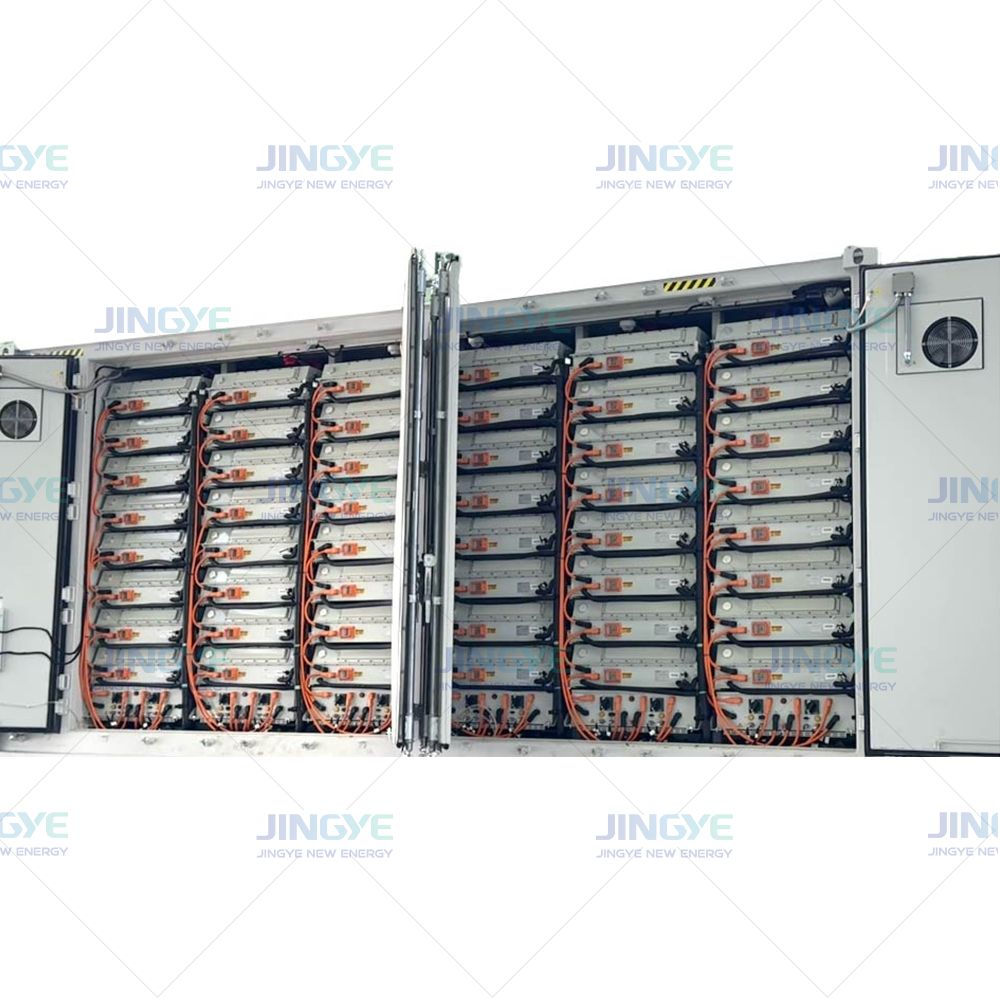
The battery cabinet stores direct current energy. A bidirectional power conversion system changes direct current into alternating current for the facility. The energy management system controls charging and discharging. The UPS protects critical loads and maintains power during short disturbances. A generator can provide longer backup when the battery state of charge becomes low.
| Equipment | Main function | Typical response | Best use |
|---|---|---|---|
| UPS | Protects critical loads from interruptions and power disturbances | Milliseconds or faster | Server racks, network equipment, and control systems |
| Battery energy storage system | Stores and delivers energy at a planned power level | Milliseconds to seconds | Backup, peak shaving, demand response, and microgrid support |
| Diesel or gas generator | Provides long-duration energy during extended outages | Several seconds to minutes | Long outages and emergency operation |
| Flywheel system | Provides short-duration ride-through power | Very fast | Brief events before another source starts |
A data center may use the battery system behind the UPS, in parallel with the UPS, or at the facility distribution level. The correct location depends on the load design, transfer equipment, protection settings, and local electrical rules. A qualified engineer should confirm the connection method before equipment production.
This process should be tested under realistic operating conditions. Testing should include full load, partial load, generator transfer, battery low state of charge, communication loss, cooling failure, and emergency shutdown. A written test plan helps the operator confirm that the system will work before a real outage occurs.
The basic sizing formula is simple: required energy equals critical load multiplied by backup time, divided by total system efficiency. For example, a 500 kilowatt critical load requiring 2 hours of backup needs more than 1,000 kilowatt-hours of nominal battery energy after design margins, conversion losses, temperature effects, and reserve capacity are included.
Battery capacity should not be used at 100 percent in normal design. A reserve protects battery life and leaves energy for control actions. The final design should consider usable capacity, depth of discharge, round-trip efficiency, aging, ambient temperature, and the future increase in server load.
Lithium iron phosphate, also called LFP, is widely used in stationary energy storage. It offers good cycle life, stable thermal behavior, and a useful balance between energy density and safety. LFP battery cells are suitable for indoor or outdoor Energy Storage Cabinets when the cabinet includes proper protection, ventilation, monitoring, and fire safety design.
| Battery option | Advantages | Limitations | Data center suitability |
|---|---|---|---|
| Lithium iron phosphate | Good thermal stability, long cycle life, strong safety profile | Lower energy density than some other lithium chemistries | Strong choice for fixed backup and daily cycling |
| Lead acid | Low initial cost and familiar maintenance process | Heavy, larger footprint, shorter life under frequent cycling | Useful for some traditional UPS systems |
| Nickel based battery | Wide temperature range and long service potential | Higher cost and special operating requirements | Suitable for selected harsh environments |
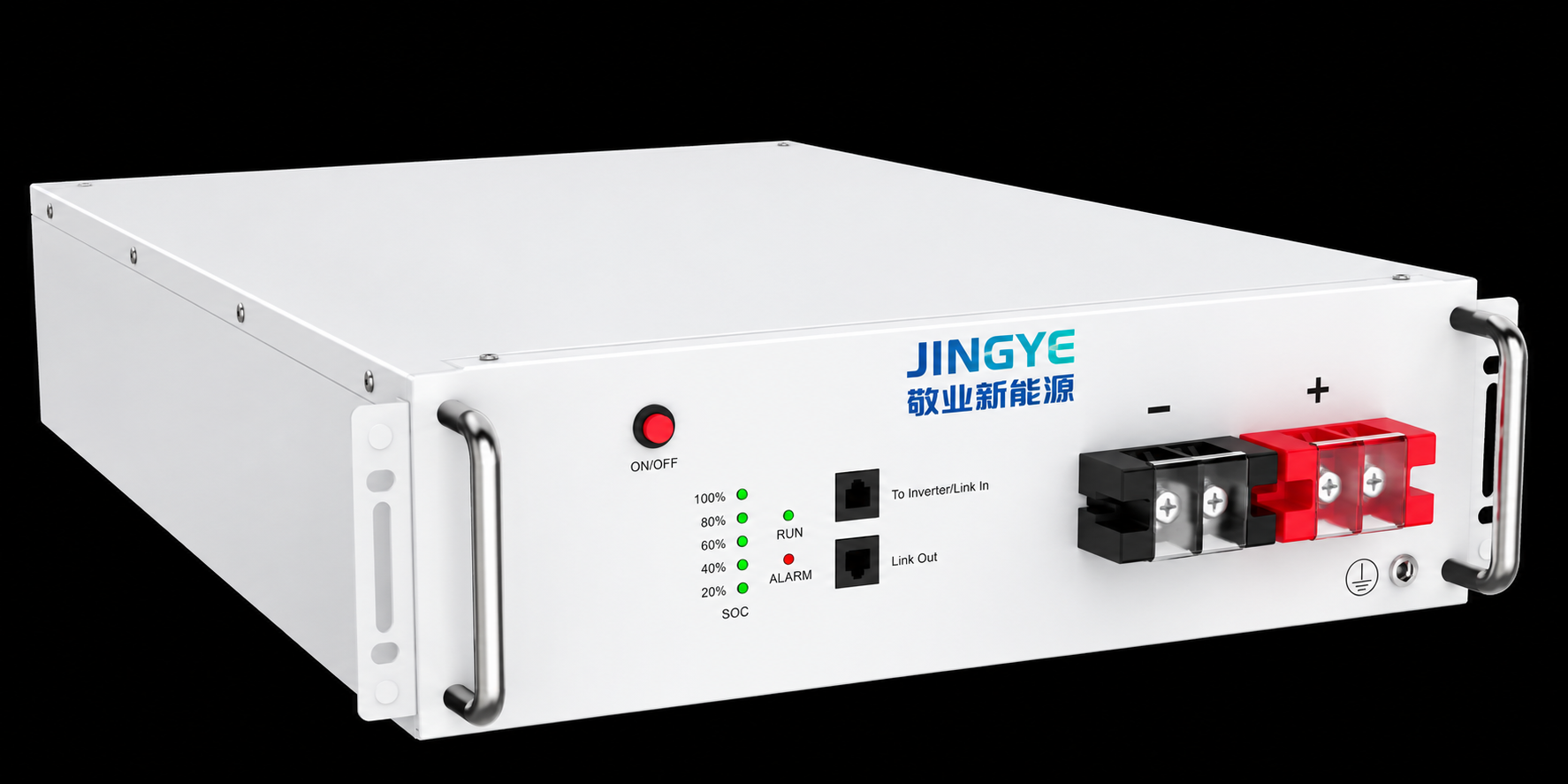
A safe battery cabinet should include a battery management system, cell voltage monitoring, temperature sensors, current protection, contactors, fuses, smoke detection, and emergency shutdown functions. Larger installations may need gas detection, fire suppression, thermal barriers, and separated battery rooms.
Safety also depends on installation. The cabinet needs clearance for service, protection from water ingress, controlled temperature, suitable cable routes, and an emergency response plan. The buyer should request documentation for cell quality, factory testing, protection settings, fire behavior, and local certification requirements.
Jingye can configure energy storage cabinets around the project load, installation location, required backup time, and communication requirements. A cabinet for a small edge data center may need a different thermal design and power rating from a multi-megawatt cloud facility.
Fast inverter control can respond to voltage dips and frequency changes. The system can inject or absorb active and reactive power to support the facility electrical network. This action reduces the effect of short utility disturbances and helps maintain stable operation for sensitive equipment.
Battery storage can also work with power factor correction equipment and harmonic filters. However, the battery inverter is not automatically a complete harmonic solution. A power quality study should measure the actual site conditions before selecting the inverter, filter, transformer, and control mode.
Many commercial electricity bills include a demand charge based on the highest power drawn during a billing period. The battery can discharge during short demand peaks and recharge when the facility load is lower. This can reduce the measured peak without changing server activity.
The saving depends on the local tariff, peak duration, battery efficiency, battery degradation, and control accuracy. Buyers should compare the expected monthly saving with the battery investment, maintenance cost, replacement plan, and financing cost. A project should not rely on peak shaving alone when backup reliability is the main business need.
Solar power may not match the data center load. Solar production often reaches its highest level during the day, while the facility may have a different demand profile. Battery storage can absorb excess solar energy and release it later. During a grid outage, the battery, solar system, generator, and load controls can operate as a microgrid if the electrical design supports island operation.
| Strategy | Backup duration | Power quality support | Fuel use | Typical limitation |
|---|---|---|---|---|
| UPS battery only | 5 to 30 minutes | Very strong for critical loads | None during discharge | Limited long-duration energy |
| Battery energy storage cabinet | 15 minutes to 4 hours or more | Strong with a suitable inverter | None during discharge | Higher initial investment |
| Generator only | Hours to several days | Limited during startup and transfer | Requires fuel | Noise, emissions, and slower response |
| Battery plus generator | Minutes to several days | Strong during transition and operation | Reduced fuel use | More controls and integration work |
For most large data centers, a hybrid design provides the best balance. The battery handles fast events and short outages. The generator handles extended outages. The UPS protects the most sensitive loads. The energy management system coordinates all sources and prevents unsafe operating conditions.
For example, a facility may have a 2 megawatt total load but only 800 kilowatts of critical load. If the target is 30 minutes, the battery energy requirement is based on 800 kilowatts, not 2 megawatts. This load separation can reduce equipment size while keeping essential services online.
Power rating is measured in kilowatts or megawatts. It shows how much load the system can support at one time. Energy rating is measured in kilowatt-hours or megawatt-hours. It shows how long the battery can provide power. A system can have high energy capacity but an inverter that is too small for the required load.
Buyers should also check short-circuit performance, overload capability, black-start needs, islanding functions, transfer time, harmonics, communication protocols, and parallel operation. These details often decide whether the system can integrate smoothly with an existing UPS and generator plant.
International buyers should also confirm shipping dimensions, gross weight, lifting points, customs documents, packing protection, local grid codes, and installation responsibility. A battery cabinet is not only a product purchase. It is part of a power system that needs engineering, commissioning, and long-term service.
Battery energy storage is valuable when a data center needs fast backup, better power quality, lower peak demand, renewable energy control, or reduced generator use. The strongest business case usually combines two or more benefits instead of relying on one revenue stream.
The best design uses measured load data, a clear backup target, suitable battery chemistry, tested control software, and coordinated UPS and generator operation. LFP battery cabinets are a practical option for many fixed installations, but the final selection must follow the site safety rules and electrical design.
Jingye supports data center energy storage projects with configurable battery energy storage cabinets for backup power, peak shaving, microgrid operation, and power quality control. By matching power, energy, safety, and communication requirements to the actual facility, overseas distributors and data center operators can build a more stable power system with a clear path for future expansion.
Oct. 09, 2026
India's 50 GWh BESS Plan (GEC-III): What It Means for Battery Storage Buyers in 2026
India's Green Energy Corridor Phase III sets aside ₹50,000 crore for 50 GWh of battery storage by FY2032-33, about ₹10,000 per kWh. Here's what that budget, rising tender tariffs and the 20% local-content rule mean for developers choosing a BESS supplier.
Oct. 09, 2026
EV Charger Load Management for Commercial Charging Stations
Commercial charging sites often face high electricity bills, limited grid capacity, and slow charging during busy periods. Dynamic load balancing helps distribute available power between several chargers without exceeding the site's electrical limit. This guide explains EV charger load management in clear steps for fleet operators, property owners, and overseas EV charging distributors. Smart
Oct. 09, 2026
Battery Storage for Commercial Buildings: Key Applications
Commercial buildings face high electricity bills, power interruptions, solar energy waste, and limited grid capacity. Commercial battery storage supports peak shaving, demand charge management, and load shifting in one energy system. The best battery storage project matches the building's load profile, tariff rules, safety needs, and backup power goals.
Let’s Get Started on Your New Energy Journey.